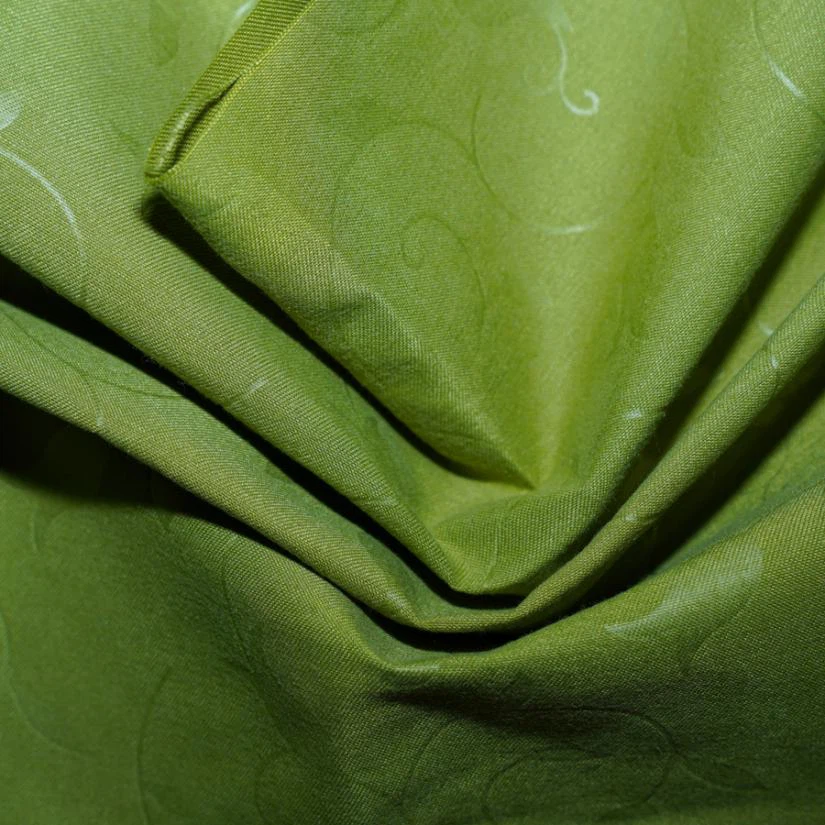
Hey there! As a jacquard fabric supplier, I've seen firsthand how important it is to store this beautiful and intricate fabric properly. Jacquard fabric is known for its unique patterns and textures, which are created using a special weaving technique. Whether you're a designer, a manufacturer, or just someone who loves jacquard fabric, knowing how to store it correctly can help preserve its quality and extend its lifespan. In this blog post, I'll share some tips on how to store jacquard fabric properly.
Understanding Jacquard Fabric
Before we dive into the storage tips, let's take a quick look at what jacquard fabric is. Jacquard fabric is woven on a jacquard loom, which allows for the creation of complex patterns and designs. These patterns can be anything from simple geometric shapes to elaborate floral motifs. Jacquard fabric can be made from a variety of fibers, including silk, cotton, polyester, and wool. Each fiber has its own unique properties, which can affect how the fabric should be stored.
Factors Affecting Jacquard Fabric Storage
There are several factors that can affect how jacquard fabric should be stored. These include:
- Fiber type: As mentioned earlier, different fibers have different properties. For example, silk is a delicate fiber that can be easily damaged by sunlight, moisture, and heat. Cotton, on the other hand, is more durable and can withstand a wider range of conditions.
- Pattern complexity: The more complex the pattern on the jacquard fabric, the more care it may require. Intricate patterns can be easily crushed or distorted if the fabric is not stored properly.
- Colorfastness: Some jacquard fabrics may be more prone to color fading or bleeding than others. This can be affected by factors such as the type of dye used, the exposure to sunlight, and the cleaning methods.
Storage Tips for Jacquard Fabric
Now that we understand the factors that can affect jacquard fabric storage, let's take a look at some tips on how to store it properly.
1. Clean the Fabric Before Storage
Before storing your jacquard fabric, it's important to clean it thoroughly. This will help remove any dirt, dust, or stains that could potentially damage the fabric over time. Follow the care instructions on the fabric label to ensure that you're using the correct cleaning method. If you're unsure, it's always a good idea to test a small, inconspicuous area of the fabric first.
2. Choose the Right Storage Location
The location where you store your jacquard fabric is crucial. You want to choose a place that is cool, dry, and dark. Avoid storing the fabric in areas that are prone to high humidity, such as basements or attics. Sunlight can also cause the fabric to fade and deteriorate, so it's best to keep it away from windows or other sources of direct sunlight.
3. Use Acid-Free Storage Materials
When storing jacquard fabric, it's important to use acid-free storage materials. Acidic materials can cause the fabric to yellow and deteriorate over time. Look for acid-free tissue paper, storage boxes, and garment bags. You can also use muslin or cotton sheets to wrap the fabric.
4. Fold the Fabric Properly
Folding the jacquard fabric properly can help prevent creases and wrinkles. To fold the fabric, lay it flat on a clean surface and smooth out any wrinkles. Fold the fabric in half lengthwise, then fold it in half again widthwise. Repeat this process until the fabric is the desired size. Avoid folding the fabric too tightly, as this can cause permanent creases.
5. Roll the Fabric (Optional)
If you have a large piece of jacquard fabric, you may want to consider rolling it instead of folding it. Rolling the fabric can help prevent creases and make it easier to store. To roll the fabric, lay it flat on a clean surface and smooth out any wrinkles. Place a cardboard tube or a wooden dowel at one end of the fabric, then roll the fabric tightly around the tube. Secure the end of the fabric with a piece of tape or a rubber band.
6. Store the Fabric in a Breathable Container
Once you've folded or rolled the jacquard fabric, store it in a breathable container. This will help prevent the fabric from trapping moisture and developing mold or mildew. You can use a storage box, a garment bag, or a closet organizer. Make sure the container has ventilation holes to allow air to circulate.
7. Check the Fabric Regularly
Even if you've stored your jacquard fabric properly, it's still a good idea to check it regularly. This will help you catch any signs of damage or deterioration early on. Look for signs of mold, mildew, insects, or color fading. If you notice any problems, take action immediately to prevent further damage.
Specific Storage Considerations for Different Types of Jacquard Fabric
As mentioned earlier, different types of jacquard fabric may require different storage methods. Here are some specific storage considerations for the most common types of jacquard fabric:
Silk Jacquard Fabric
Silk is a delicate fiber that requires special care. To store silk jacquard fabric, follow these tips:
- Clean the fabric using a gentle silk cleaner or dry cleaning.
- Store the fabric in a cool, dry, and dark place.
- Use acid-free tissue paper to wrap the fabric.
- Avoid hanging the fabric, as this can cause it to stretch and lose its shape.
- Check the fabric regularly for signs of damage or deterioration.
Cotton Jacquard Fabric
Cotton is a more durable fiber than silk, but it still requires proper storage. To store cotton jacquard fabric, follow these tips:
- Clean the fabric using a mild detergent and warm water.
- Store the fabric in a cool, dry, and dark place.
- Fold the fabric neatly and store it in a breathable container.
- Check the fabric regularly for signs of mold, mildew, or insects.
Polyester Jacquard Fabric
Polyester is a synthetic fiber that is known for its durability and resistance to wrinkles. To store polyester jacquard fabric, follow these tips:


- Clean the fabric using a mild detergent and warm water.
- Store the fabric in a cool, dry, and dark place.
- Fold the fabric neatly and store it in a breathable container.
- Polyester fabric is less prone to damage than natural fibers, but it's still a good idea to check it regularly for signs of wear and tear.
Conclusion
Storing jacquard fabric properly is essential to preserve its quality and extend its lifespan. By following the tips outlined in this blog post, you can ensure that your jacquard fabric stays in good condition for years to come. Remember to clean the fabric before storage, choose the right storage location, use acid-free storage materials, fold or roll the fabric properly, store it in a breathable container, and check it regularly for signs of damage.
If you're in the market for high-quality jacquard fabric, we've got you covered. We offer a wide range of jacquard fabrics, including Jacquard Polyester Bedsheet Fabric, Polyester Jacquard Microfiber Fabric, and Jacquard Fabric for Bedding. Our fabrics are made from the finest materials and are available in a variety of colors and patterns. If you're interested in learning more about our products or have any questions about jacquard fabric storage, please don't hesitate to contact us. We'd love to help you find the perfect fabric for your needs.
References
- Textile Institute. (n.d.). Storage of Textiles. Retrieved from [Website URL]
- National Trust. (n.d.). Caring for Textiles. Retrieved from [Website URL]
- Metropolitan Museum of Art. (n.d.). Storing Textiles. Retrieved from [Website URL]