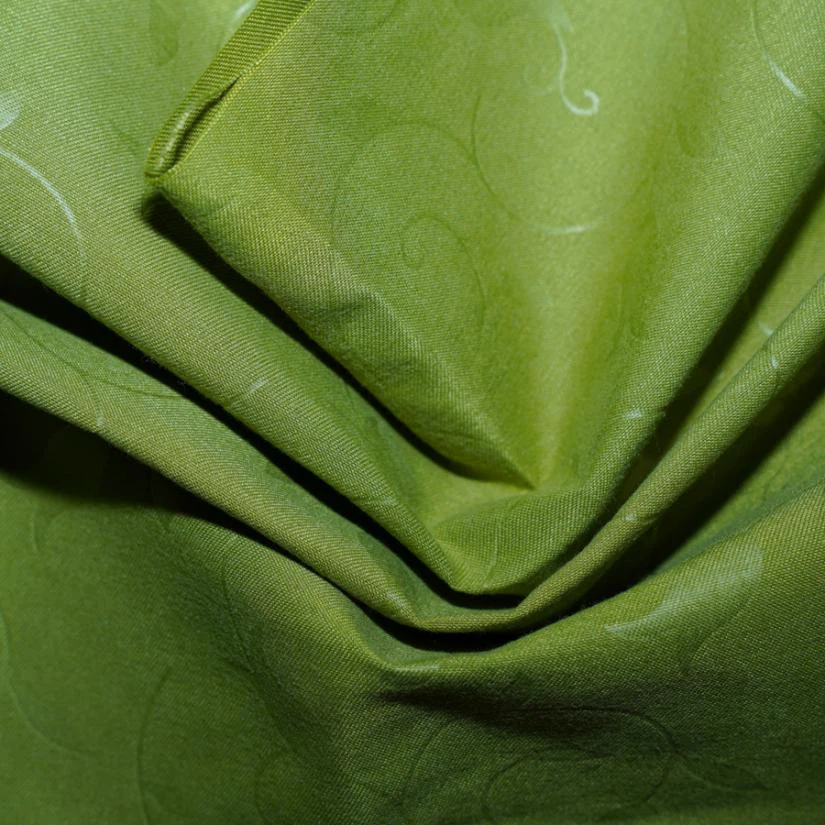
As a supplier of waffle fabric for bedding, I've often been asked about the absorbency of this unique textile. Waffle fabric, with its distinctive honeycomb-like texture, has gained popularity in the bedding industry for its aesthetic appeal and potential functionality. In this blog post, I'll delve into the science behind waffle fabric's absorbency, exploring the factors that influence it and how it compares to other bedding materials.
Understanding Waffle Fabric
Waffle fabric is characterized by its raised, grid-like pattern, which resembles the surface of a waffle. This texture is created through a weaving or knitting process that alternates between thick and thin yarns, resulting in a fabric with a three-dimensional structure. The spaces between the raised areas of the waffle pattern create pockets of air, which can contribute to the fabric's breathability and absorbency.
There are several types of waffle fabric available, each with its own unique properties. The most common materials used to make waffle fabric include cotton, polyester, and a blend of the two. 100% Polyester Waffle Fabric is known for its durability, wrinkle resistance, and moisture-wicking properties, while Polyester Waffle Fabric blends can offer a combination of the benefits of both materials. Waffle Material Fabric made from natural fibers like cotton is prized for its softness, breathability, and absorbency.
Factors Affecting Absorbency
The absorbency of waffle fabric is influenced by several factors, including the type of material, the weave or knit structure, and the finish applied to the fabric.


Material
As mentioned earlier, the material used to make waffle fabric plays a significant role in its absorbency. Natural fibers like cotton are highly absorbent because they have a porous structure that allows them to soak up and hold moisture. Cotton fibers can absorb up to 27 times their weight in water, making them an excellent choice for bedding materials.
Polyester, on the other hand, is a synthetic fiber that is less absorbent than cotton. Polyester fibers are hydrophobic, meaning they repel water rather than absorb it. However, polyester can be treated with special finishes to improve its moisture-wicking properties, which allow it to draw moisture away from the body and onto the surface of the fabric, where it can evaporate more quickly.
Weave or Knit Structure
The weave or knit structure of waffle fabric also affects its absorbency. Fabrics with a looser weave or knit tend to be more absorbent because they have more space between the fibers, allowing moisture to penetrate and be absorbed more easily. In contrast, fabrics with a tighter weave or knit may be less absorbent because the fibers are more closely packed together, leaving less room for moisture to be absorbed.
The waffle pattern itself can also contribute to the fabric's absorbency. The raised areas of the waffle pattern create pockets of air, which can help to increase the surface area of the fabric and allow it to absorb more moisture. Additionally, the spaces between the raised areas can act as channels for moisture to flow through, helping to distribute the moisture evenly across the fabric.
Finish
The finish applied to waffle fabric can also have an impact on its absorbency. Some finishes, such as water-repellent coatings, can reduce the fabric's absorbency by creating a barrier that prevents moisture from penetrating the fabric. Other finishes, such as moisture-wicking treatments, can improve the fabric's absorbency by enhancing its ability to draw moisture away from the body and onto the surface of the fabric.
Comparing Waffle Fabric to Other Bedding Materials
When it comes to absorbency, waffle fabric compares favorably to other bedding materials. Cotton waffle fabric, in particular, is a popular choice for bedding because of its high absorbency and softness. It can help to keep you dry and comfortable throughout the night by absorbing sweat and moisture from your body.
Polyester waffle fabric, while less absorbent than cotton, can still be a good choice for bedding, especially if you are looking for a fabric that is durable, wrinkle-resistant, and easy to care for. Polyester waffle fabric can also be treated with moisture-wicking finishes to improve its ability to draw moisture away from the body and keep you dry.
Other bedding materials, such as silk and bamboo, are also known for their absorbency and softness. However, these materials can be more expensive than waffle fabric and may require special care.
Practical Applications of Waffle Fabric's Absorbency
The absorbency of waffle fabric makes it a versatile material that can be used in a variety of bedding applications. Here are some examples:
Sheets
Waffle fabric sheets are a popular choice for bedding because they are soft, comfortable, and absorbent. They can help to keep you dry and comfortable throughout the night by absorbing sweat and moisture from your body. Additionally, the waffle pattern can add a touch of texture and visual interest to your bedding.
Pillowcases
Waffle fabric pillowcases are another great option for bedding. They can help to keep your head and neck dry and comfortable while you sleep, especially if you tend to sweat at night. The absorbency of the waffle fabric can also help to prevent the buildup of moisture and bacteria on your pillow, which can lead to unpleasant odors and skin irritation.
Blankets
Waffle fabric blankets are a cozy and practical addition to any bed. They can provide warmth and comfort on cold nights, while also absorbing sweat and moisture from your body. The waffle pattern can also add a layer of insulation, helping to keep you warm without making you feel too hot.
Conclusion
In conclusion, waffle fabric for bedding can have good absorbency, depending on the type of material, the weave or knit structure, and the finish applied to the fabric. Natural fibers like cotton are highly absorbent, while synthetic fibers like polyester can be treated with special finishes to improve their moisture-wicking properties. The waffle pattern itself can also contribute to the fabric's absorbency by creating pockets of air and channels for moisture to flow through.
If you are in the market for bedding materials that are absorbent, comfortable, and stylish, waffle fabric is definitely worth considering. As a supplier of waffle fabric for bedding, I'm happy to answer any questions you may have and help you find the perfect fabric for your needs. Whether you're looking for sheets, pillowcases, or blankets, I can provide you with high-quality waffle fabric that will keep you dry and comfortable throughout the night.
If you're interested in purchasing waffle fabric for your bedding products, I invite you to contact me to discuss your specific requirements and explore our range of options. We can work together to find the perfect fabric solution for your business.
References
- Textile Institute. (2023). Handbook of Textile Fibres. Woodhead Publishing.
- Horrocks, A. R., & Anand, S. C. (Eds.). (2000). Handbook of Technical Textiles. Woodhead Publishing.
- Postle, R. (2001). The Structure and Properties of Fibres and Fabrics. Woodhead Publishing.