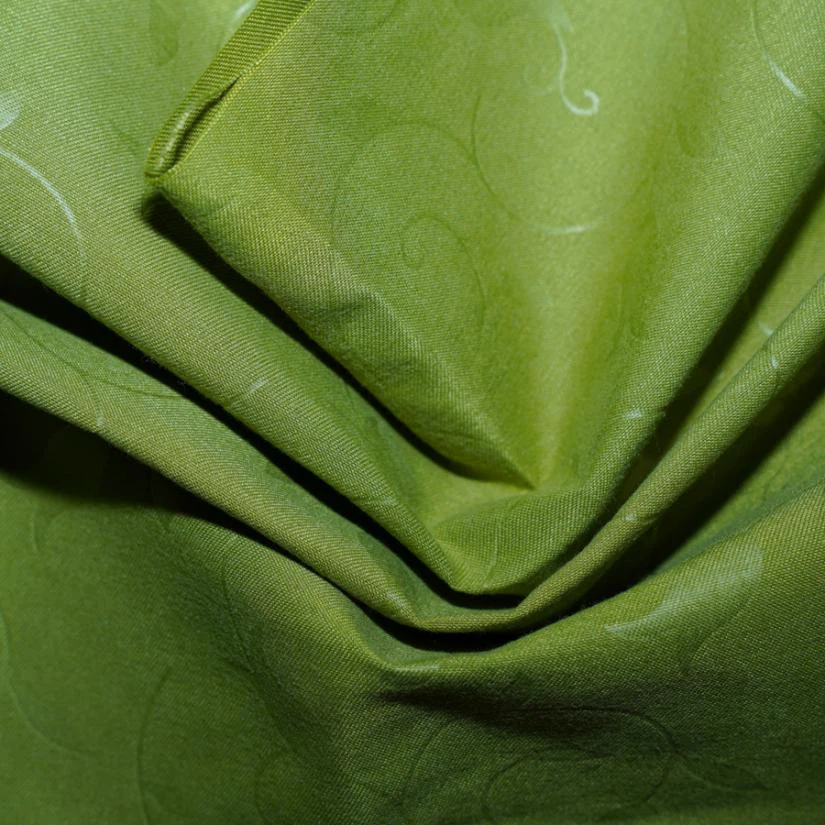
As a seasoned supplier of Jacquard Polyester Fabric, I've encountered numerous inquiries from customers regarding the fabric's durability, especially its resistance to sunlight. This concern is entirely valid, as sunlight can significantly impact the color and integrity of various fabrics over time. In this blog, I'll delve into the science behind whether Jacquard Polyester Fabric fades in sunlight, exploring the factors that influence its sun resistance and providing practical advice for customers.
Understanding Jacquard Polyester Fabric
Before we discuss sunlight fading, let's briefly understand what Jacquard Polyester Fabric is. Polyester is a synthetic fiber known for its strength, wrinkle resistance, and affordability. The Jacquard technique, on the other hand, refers to a method of weaving that allows for intricate patterns and designs to be created directly into the fabric during the weaving process. This results in a fabric that is not only visually appealing but also highly durable.
Jacquard Polyester Fabric is commonly used in a variety of applications, including Custom Jacquard Fabric, Jacquard Fabric for Bedding, and Jacquard Polyester Bedsheet Fabric. Its versatility makes it a popular choice for both residential and commercial use.
The Science of Sunlight Fading
Sunlight contains ultraviolet (UV) rays, which are the primary cause of fabric fading. When UV rays interact with the dyes in a fabric, they can break down the chemical bonds that give the fabric its color. This process, known as photodegradation, causes the color to fade over time.
The degree of fading depends on several factors, including the type of dye used, the intensity and duration of sunlight exposure, and the fabric's inherent sun resistance. Some dyes are more resistant to UV rays than others, and fabrics can be treated with UV inhibitors to enhance their sun resistance.
Factors Affecting the Sun Resistance of Jacquard Polyester Fabric
Dye Quality
The quality of the dye used in Jacquard Polyester Fabric plays a crucial role in its sun resistance. High-quality dyes are formulated to be more resistant to UV rays, which means they are less likely to fade when exposed to sunlight. At our company, we use only the highest quality dyes in our Jacquard Polyester Fabric to ensure long-lasting color and durability.
UV Inhibitors
UV inhibitors are chemicals that can be added to the fabric during the manufacturing process to enhance its sun resistance. These inhibitors work by absorbing or reflecting UV rays, preventing them from reaching the dyes in the fabric. Some Jacquard Polyester Fabrics are treated with UV inhibitors, which can significantly reduce the risk of fading.
Weave Density
The weave density of the fabric can also affect its sun resistance. A tighter weave can provide more protection against UV rays, as it reduces the amount of sunlight that can penetrate the fabric. Our Jacquard Polyester Fabric is woven with a high density, which helps to protect the dyes from UV damage.


Color Depth
Darker colors tend to fade more quickly than lighter colors when exposed to sunlight. This is because darker colors absorb more UV rays, which can cause the dyes to break down more rapidly. However, with high-quality dyes and UV inhibitors, even dark-colored Jacquard Polyester Fabric can maintain its color for a long time.
Testing the Sun Resistance of Jacquard Polyester Fabric
To ensure the sun resistance of our Jacquard Polyester Fabric, we conduct rigorous testing in our laboratory. We expose samples of the fabric to simulated sunlight for extended periods of time and measure the degree of fading using a colorimeter. This allows us to accurately assess the fabric's sun resistance and make any necessary adjustments to the manufacturing process.
In addition to laboratory testing, we also encourage our customers to provide feedback on the performance of our fabric in real-world conditions. This feedback helps us to continuously improve the quality of our products and ensure that they meet the highest standards of durability and colorfastness.
Practical Tips for Protecting Jacquard Polyester Fabric from Sunlight
While our Jacquard Polyester Fabric is designed to be highly resistant to sunlight, there are still some practical steps you can take to protect it from fading. Here are some tips:
- Limit Sunlight Exposure: Avoid placing Jacquard Polyester Fabric in direct sunlight for extended periods of time. If possible, use curtains or blinds to block out the sun during the hottest part of the day.
- Rotate the Fabric: If the fabric is used in an area that receives a lot of sunlight, such as a window seat or a patio, rotate it regularly to ensure even exposure. This can help to prevent one area of the fabric from fading more quickly than the others.
- Clean the Fabric Properly: Follow the care instructions provided with the fabric to ensure that it is cleaned properly. Using harsh chemicals or abrasive cleaners can damage the fabric and reduce its sun resistance.
Conclusion
In conclusion, Jacquard Polyester Fabric is generally resistant to sunlight fading, especially when high-quality dyes and UV inhibitors are used. However, the degree of fading can still be affected by factors such as dye quality, UV inhibitors, weave density, and color depth. By choosing high-quality Jacquard Polyester Fabric and taking practical steps to protect it from sunlight, you can ensure that your fabric maintains its color and durability for many years to come.
If you are interested in purchasing Jacquard Polyester Fabric for your project, please don't hesitate to contact us. We would be happy to discuss your specific needs and provide you with a quote. Our team of experts is always available to answer any questions you may have and help you choose the right fabric for your application.
References
- ASTM International. (2021). Standard Test Method for Colorfastness to Light: Carbon-Arc Light. ASTM D1729-21.
- Textile Institute. (2019). Handbook of Textile Fibre Structure. Woodhead Publishing.
- Vigo, T. L. (1994). Textile Dyeing and Finishing. Elsevier.