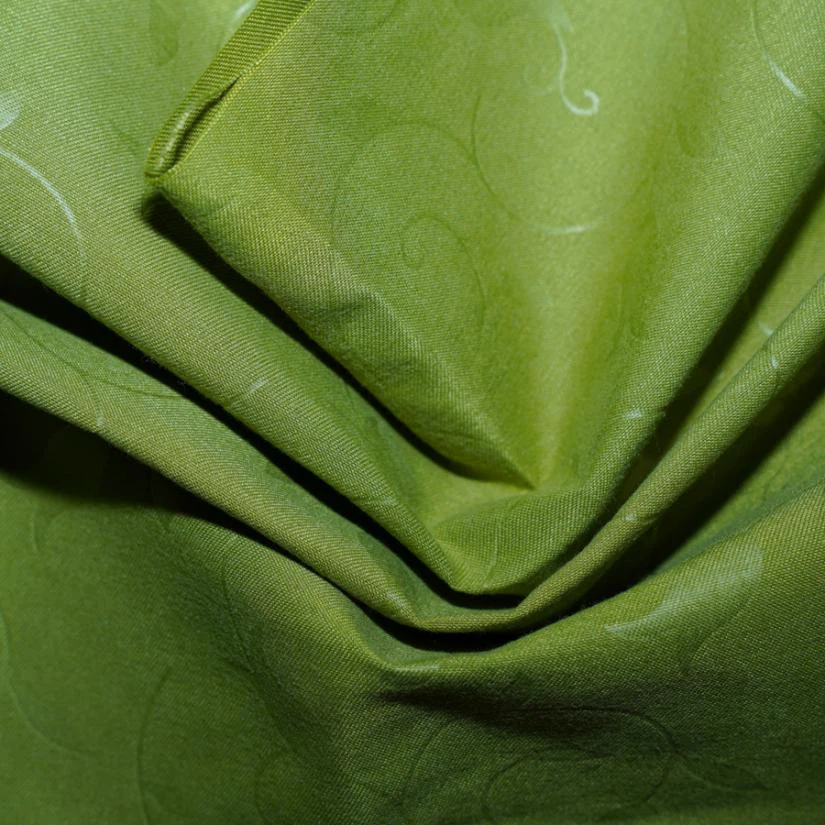
As a seasoned supplier of Embossed White Fabric, I understand the importance of quality assessment. Whether you're a designer looking for the perfect material for a high - end project or a manufacturer aiming to ensure the best product for your customers, knowing how to check the quality of embossed white fabric is crucial. In this blog, I'll share some professional insights and practical methods to help you make an informed decision.
1. Visual Inspection
The first step in assessing the quality of embossed white fabric is a simple visual check. High - quality embossed white fabric should have a consistent color. Any signs of uneven color distribution, such as patches or streaks, can indicate poor dyeing or manufacturing processes. The white color should be pure and free from any yellowing or discoloration. Yellowing can occur due to improper storage or the use of low - quality raw materials.
When it comes to the embossed pattern, it should be clear and well - defined. A sharp and detailed embossed design is a sign of a high - precision manufacturing process. Look closely at the pattern to see if there are any blurry or faded areas. Inconsistent embossing can affect the overall aesthetic appeal of the fabric and may also indicate problems with the embossing machinery or techniques used.
2. Touch and Feel
The tactile experience of the fabric can tell you a great deal about its quality. Run your fingers over the surface of the embossed white fabric. A good - quality fabric should feel smooth and soft to the touch. Roughness or scratchiness can be a sign of low - grade fibers or improper finishing.
At the same time, pay attention to the fabric's drape. High - quality embossed white fabric will have a natural and elegant drape. It should fall gracefully and not be too stiff or too limp. If the fabric seems overly rigid, it may be difficult to work with in certain applications, such as clothing or upholstery. On the other hand, if it's too limp, it may not hold its shape well.
3. Fiber Content Analysis
Understanding the fiber content of the embossed white fabric is essential for assessing its quality. Most embossed white fabrics are made from synthetic fibers like polyester, which offer several advantages such as durability, wrinkle - resistance, and easy maintenance.
Polyester Embossed Microfiber Fabric is a popular choice in the market. Microfiber polyester fabrics are known for their fine texture and excellent performance. They are often more resistant to pilling and abrasion compared to other fabrics.
If you're specifically looking for a fabric with high durability and a consistent embossed pattern, 100% Polyester Embossed Fabric might be a great option. Polyester fibers can withstand repeated washing and use without losing their shape or color.
You can also check the fabric's label for information about the fiber content. If the label is missing or unclear, you may consider using a simple burn test (although this should be done with caution). Polyester fibers will melt and form a hard bead when burned, while natural fibers like cotton will burn with a flame and leave an ash residue.
4. Strength and Durability Testing
A high - quality embossed white fabric should be strong and durable. You can perform a simple tensile strength test by gently pulling on a small section of the fabric. If the fabric tears or stretches easily, it may not be of good quality. A strong fabric should be able to withstand normal wear and tear without losing its integrity.
Another aspect of durability is abrasion resistance. You can rub the fabric against a rough surface (such as a piece of sandpaper) gently to see how it responds. A high - quality embossed white fabric should not show significant signs of damage or pilling after this test.
5. Colorfastness
Colorfastness is an important factor, especially for white fabrics. To test the colorfastness of the embossed white fabric, you can wet a small corner of the fabric with a clean, white cloth and rub it gently. If the white cloth picks up any color from the fabric, it indicates poor colorfastness.
High - quality embossed white fabric should maintain its color even after multiple washes and exposure to sunlight. You can also ask the supplier for information about the fabric's colorfastness ratings, which are usually determined through standardized testing methods.
6. Moisture Absorption and Breathability
Although embossed white fabrics made from polyester are generally less absorbent than natural fibers, it's still important to consider their moisture - wicking properties. A fabric that can wick away moisture effectively will be more comfortable to wear, especially in warm or humid conditions.
You can test the moisture absorption of the fabric by placing a small drop of water on its surface. If the water spreads quickly and is absorbed, it indicates better moisture - wicking capabilities. At the same time, a breathable fabric will allow air to circulate, reducing the likelihood of a stuffy or sweaty feeling.
7. Finish and Finishing Details
The finish of the embossed white fabric can also affect its quality. A well - finished fabric should have a clean and smooth edge. Look for any loose threads, fraying, or uneven seams. These details can indicate poor workmanship and may lead to further problems during use.
Some embossed white fabrics may have additional finishes, such as anti - static or water - repellent treatments. Make sure these finishes are evenly applied and do not affect the fabric's other properties, such as its softness or drape.
Conclusion
Checking the quality of embossed white fabric involves a comprehensive assessment of its visual appearance, tactile properties, fiber content, durability, colorfastness, moisture absorption, and finishing details. By using the methods described above, you can make a more informed decision when purchasing Embossed White Fabric.
As a supplier, I'm committed to providing high - quality embossed white fabric that meets the highest standards. If you're interested in purchasing our products or have any questions about the quality assessment process, please feel free to contact us for further discussion. We look forward to the opportunity to work with you and provide you with the best embossed white fabric solutions for your needs.


References
- Textile Testing Handbook, various editions
- Journal of Textile Science and Technology articles on fabric quality assessment