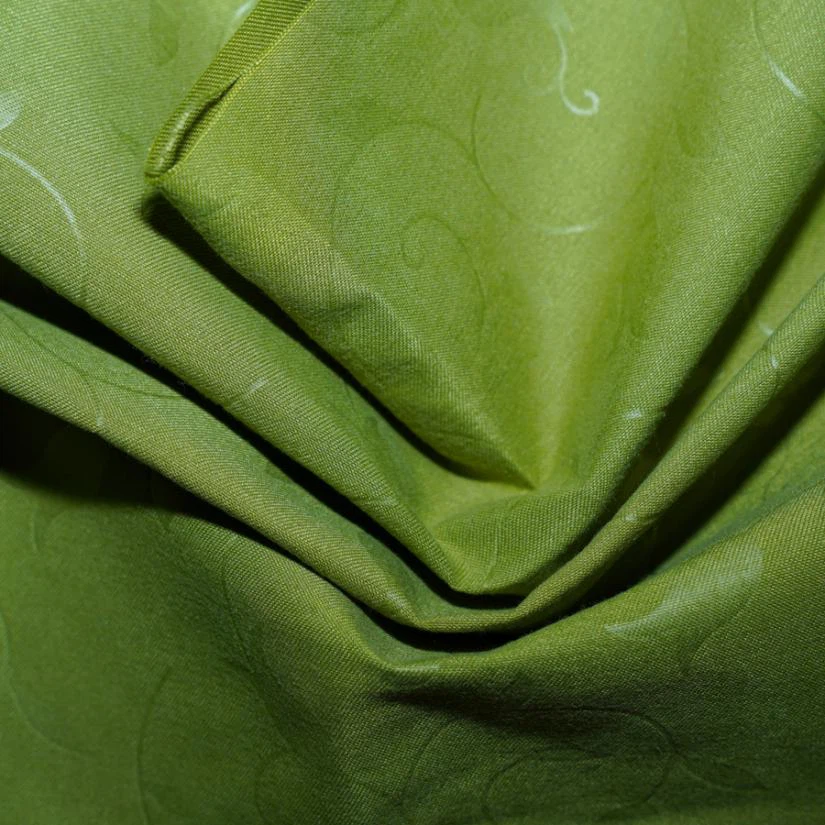
Jacquard fabric is a type of textile known for its intricate and detailed patterns woven directly into the fabric rather than printed on it. As a jacquard fabric supplier, I've had the privilege of working with a wide range of materials to create these beautiful and unique fabrics. In this blog post, I'll explore the various materials used to make jacquard fabric, their characteristics, and the benefits they offer.
Natural Fibers
Cotton
Cotton is one of the most commonly used materials in jacquard fabric production. It is a natural fiber derived from the cotton plant, known for its softness, breathability, and absorbency. Cotton jacquard fabrics are comfortable to wear, making them ideal for clothing, bedding, and home decor items. They are also easy to care for, as they can be machine-washed and dried.


One of the advantages of using cotton in jacquard fabrics is its ability to hold dye well, resulting in vibrant and long-lasting colors. Cotton jacquard fabrics can be produced in a wide range of weights and textures, from lightweight and sheer to heavy and durable. For example, a lightweight cotton jacquard fabric may be used for summer dresses or blouses, while a heavier cotton jacquard fabric may be used for upholstery or curtains.
Silk
Silk is a luxurious and elegant natural fiber produced by silkworms. It is known for its smooth and lustrous surface, softness, and drapability. Silk jacquard fabrics are often used in high-end fashion and home decor applications, as they add a touch of sophistication and glamour.
Silk has excellent moisture-wicking properties, making it comfortable to wear in both warm and cool weather. It is also hypoallergenic, making it suitable for people with sensitive skin. Silk jacquard fabrics can be produced in a variety of patterns and designs, from simple geometric shapes to intricate floral motifs. They are often used for formal wear, such as evening gowns and wedding dresses, as well as for decorative items, such as scarves and pillowcases.
Wool
Wool is a natural fiber obtained from the fleece of sheep or other animals, such as goats or llamas. It is known for its warmth, insulation, and durability. Wool jacquard fabrics are commonly used in winter clothing, such as coats, sweaters, and blankets, as well as in upholstery and carpets.
Wool has excellent elasticity, which allows it to retain its shape even after repeated use. It is also resistant to wrinkles and stains, making it easy to care for. Wool jacquard fabrics can be produced in a range of textures, from soft and fluffy to coarse and rugged. For example, a fine wool jacquard fabric may be used for a tailored suit, while a coarser wool jacquard fabric may be used for a rustic blanket.
Synthetic Fibers
Polyester
Polyester is a synthetic fiber made from petroleum-based chemicals. It is known for its strength, durability, and wrinkle resistance. Polyester jacquard fabrics are often used in a variety of applications, including clothing, bedding, and home decor.
One of the advantages of using polyester in jacquard fabrics is its affordability. Polyester is less expensive than natural fibers such as silk and wool, making it a popular choice for budget-conscious consumers. Polyester jacquard fabrics are also easy to care for, as they can be machine-washed and dried without shrinking or losing their shape.
Polyester jacquard fabrics can be produced in a wide range of colors and patterns, and they can mimic the look and feel of natural fibers. For example, Jacquard Polyester Bedsheet Fabric can have a soft and smooth texture similar to silk, while still offering the durability and easy care of polyester.
Nylon
Nylon is another synthetic fiber that is commonly used in jacquard fabric production. It is known for its strength, abrasion resistance, and elasticity. Nylon jacquard fabrics are often used in outdoor clothing, sportswear, and luggage, as they can withstand rough handling and harsh conditions.
Nylon has excellent moisture-wicking properties, which makes it suitable for active wear. It dries quickly and helps to keep the body dry and comfortable. Nylon jacquard fabrics can also be produced in a variety of colors and patterns, and they can be treated to be water-resistant or flame-retardant.
Blended Fibers
In addition to using single fibers, many jacquard fabrics are made from blended fibers. Blending different fibers allows manufacturers to combine the best properties of each fiber, resulting in a fabric that is more versatile and functional.
Cotton-Polyester Blend
A cotton-polyester blend is a popular choice for jacquard fabrics. This blend combines the softness and breathability of cotton with the strength and wrinkle resistance of polyester. Cotton-polyester blend jacquard fabrics are often used in clothing, bedding, and home decor, as they offer the best of both worlds.
The cotton in the blend provides comfort and absorbency, while the polyester adds durability and easy care. Cotton-polyester blend jacquard fabrics can be produced in a wide range of weights and textures, from lightweight and sheer to heavy and durable.
Silk-Polyester Blend
A silk-polyester blend is another common combination used in jacquard fabric production. This blend combines the luxurious look and feel of silk with the affordability and easy care of polyester. Silk-polyester blend jacquard fabrics are often used in fashion and home decor applications, as they offer a cost-effective alternative to pure silk fabrics.
The silk in the blend adds a touch of elegance and sophistication, while the polyester provides strength and durability. Silk-polyester blend jacquard fabrics can be produced in a variety of patterns and designs, and they can have a similar appearance to pure silk fabrics.
Specialty Materials
In addition to natural, synthetic, and blended fibers, there are also some specialty materials that can be used to make jacquard fabric.
Metallic Fibers
Metallic fibers, such as gold, silver, or copper, can be incorporated into jacquard fabrics to add a touch of sparkle and glamour. Metallic jacquard fabrics are often used in evening wear, party dresses, and decorative items, as they create a stunning visual effect.
Metallic fibers can be woven into the fabric in a variety of patterns and designs, and they can be combined with other fibers to create unique and eye-catching fabrics. However, metallic fibers can be more delicate and require special care, so they are often used in small amounts.
Bamboo
Bamboo is a sustainable and eco-friendly material that is becoming increasingly popular in jacquard fabric production. Bamboo fibers are soft, breathable, and absorbent, similar to cotton. They also have natural antibacterial and antifungal properties, making them a healthy choice for clothing and bedding.
Bamboo jacquard fabrics can be produced in a variety of colors and patterns, and they have a smooth and luxurious feel. They are often used in eco-friendly fashion and home decor products.
Conclusion
As a jacquard fabric supplier, I understand the importance of using high-quality materials to create beautiful and functional fabrics. Whether it's natural fibers like cotton, silk, and wool, synthetic fibers like polyester and nylon, blended fibers, or specialty materials, each material has its own unique characteristics and benefits.
By carefully selecting the right materials and combining them in innovative ways, we can produce jacquard fabrics that meet the diverse needs and preferences of our customers. If you're interested in Jacquard Material or Custom Jacquard Fabric for your project, I encourage you to contact us to discuss your requirements. We look forward to working with you to create the perfect jacquard fabric for your needs.
References
- Textile Institute. (2023). Handbook of Textile Fibres. Woodhead Publishing.
- Horrocks, A. R., & Anand, S. C. (Eds.). (2000). Handbook of Technical Textiles. Woodhead Publishing.