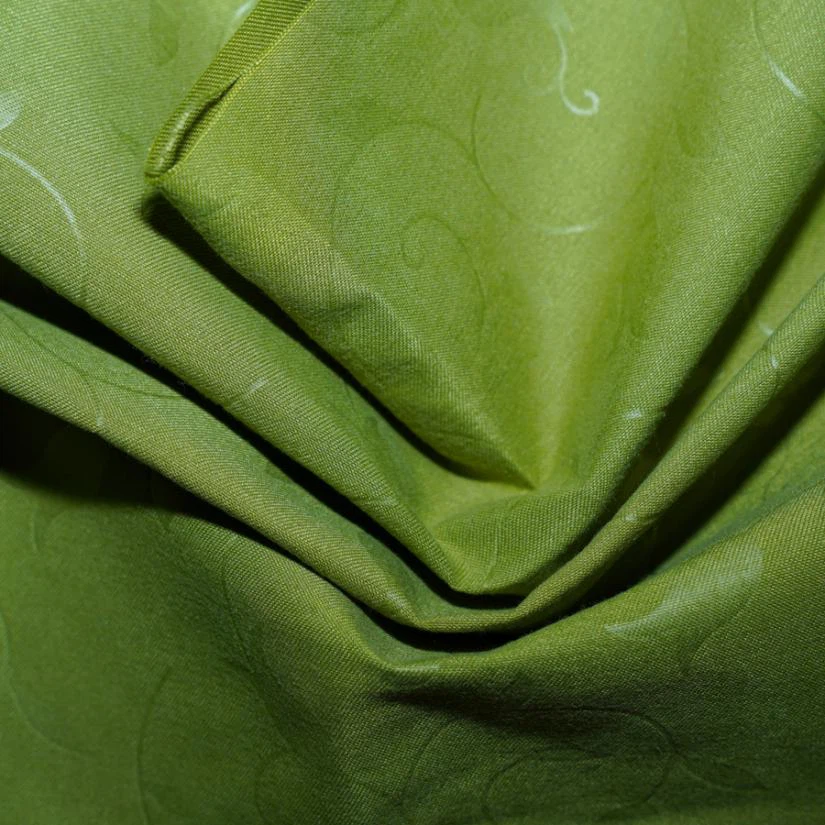
When it comes to the world of bedding, one of the most frequently asked questions is about the lifespan of bed linen fabric. As a trusted Bed Linen Fabric supplier, I've witnessed firsthand the importance of understanding this aspect for both consumers and businesses. In this blog, we'll explore the factors that influence the lifespan of bed linen fabric, how to extend it, and what to expect from different types of materials.
Factors Affecting the Lifespan of Bed Linen Fabric
Material Quality
The quality of the raw material is perhaps the most significant factor. High - quality natural fibers like Egyptian cotton are known for their long, strong fibers. These fibers are less likely to break during regular use and washing, resulting in a longer lifespan. On the other hand, lower - grade materials may start to show signs of wear and tear much sooner. For example, a cheap polyester blend might pill and lose its softness after just a few months of use.
Synthetic fibers such as Polyester Sheet Fabric have their own characteristics. Polyester is generally durable and resistant to wrinkles and shrinking. However, it may not be as breathable as natural fibers, and over time, it can develop a static charge and become less comfortable to sleep on.
Weave Type
The way the fabric is woven also plays a crucial role. A tight, high - thread - count weave, like a percale or sateen weave, tends to be more durable. Percale, with its crisp, cool feel, has a balanced plain weave that makes it resistant to abrasion. Sateen, on the other hand, has a smooth, lustrous surface and a weave that provides strength while still maintaining a luxurious appearance. In contrast, a loosely woven fabric may fray more easily and have a shorter lifespan.
Usage and Care
How the bed linen is used and cared for has a direct impact on its longevity. If you have pets that sleep on the bed or children who are prone to spills and stains, the fabric will face more challenges. Regular washing is necessary to keep the bedding clean, but over - washing can also damage the fabric. Using harsh detergents, high - heat settings in the dryer, and rough handling during laundering can all contribute to the breakdown of the fibers.
Lifespan of Different Types of Bed Linen Fabric
Cotton
Cotton is one of the most popular choices for bed linen due to its breathability and softness. High - quality Egyptian or Pima cotton bed sheets can last anywhere from 5 to 15 years with proper care. These long - staple cottons are known for their strength and durability. Regular - grade cotton sheets may have a lifespan of 3 to 8 years. As cotton ages, it may lose some of its softness and color vibrancy, but it will still remain functional.
Linen
Linen, made from the flax plant, is another natural fiber option. Linen is highly breathable and becomes softer with each wash. It can last for a very long time, often 10 to 20 years or more. However, linen has a tendency to wrinkle easily, which some people may find a drawback. But its durability and the fact that it gets better with age make it a great long - term investment.
Silk
Silk is a luxurious and delicate fabric. Silk bed sheets can last 3 to 10 years, depending on the quality and care. Silk is prone to damage from sunlight, so it's important to keep it away from direct sunlight. It also requires gentle handling during washing, usually with a mild detergent and a low - heat setting.
Polyester and Polyester Blends
Bleached Polyester Bedsheet Fabric and other polyester blends can last 2 to 5 years. While polyester is durable in terms of its resistance to stretching and shrinking, it may not age as gracefully as natural fibers. Over time, it may develop a synthetic feel and lose some of its initial appeal.
Tips to Extend the Lifespan of Bed Linen Fabric
Proper Washing
Use a mild, gentle detergent and wash the bedding in cold or warm water. Avoid using bleach, as it can weaken the fibers. Wash the sheets inside out to reduce friction and protect the surface of the fabric.
Drying
Tumble dry on a low - heat setting or air dry. High - heat drying can cause the fibers to shrink and become brittle. Remove the sheets from the dryer while they are still slightly damp to prevent over - drying.

Storage
When not in use, store the bed linen in a cool, dry place. Avoid storing it in plastic bags, as this can trap moisture and lead to mildew growth. You can use a breathable cotton storage bag instead.
Our Bed Linen Fabric Offerings
As a Bed Linen Fabric supplier, we offer a wide range of high - quality Bed Linen Fabric options. Our fabrics are carefully selected for their quality, durability, and comfort. Whether you're looking for the softness of cotton, the breathability of linen, or the luxury of silk, we have the perfect solution for you.
We source our materials from trusted suppliers and ensure that each batch of fabric meets our strict quality standards. Our team of experts is always available to provide you with advice on choosing the right fabric for your needs and how to care for it to maximize its lifespan.
Conclusion
Understanding the lifespan of bed linen fabric is essential for making informed purchasing decisions. By considering factors such as material quality, weave type, usage, and care, you can choose the right bedding that will last for years to come. At our company, we are committed to providing you with the highest - quality bed linen fabric that combines durability, comfort, and style.
If you're interested in learning more about our Bed Linen Fabric products or would like to discuss a potential purchase, please don't hesitate to reach out. We're here to help you find the perfect bedding solutions for your home or business.
References
- Consumer Reports. (2023). "Best Bed Sheets: How to Choose the Right Ones."
- Textile Institute. (2022). "Properties and Performance of Textile Fibers."
- American Home Textiles Alliance. (2023). "Care and Maintenance of Bed Linen."