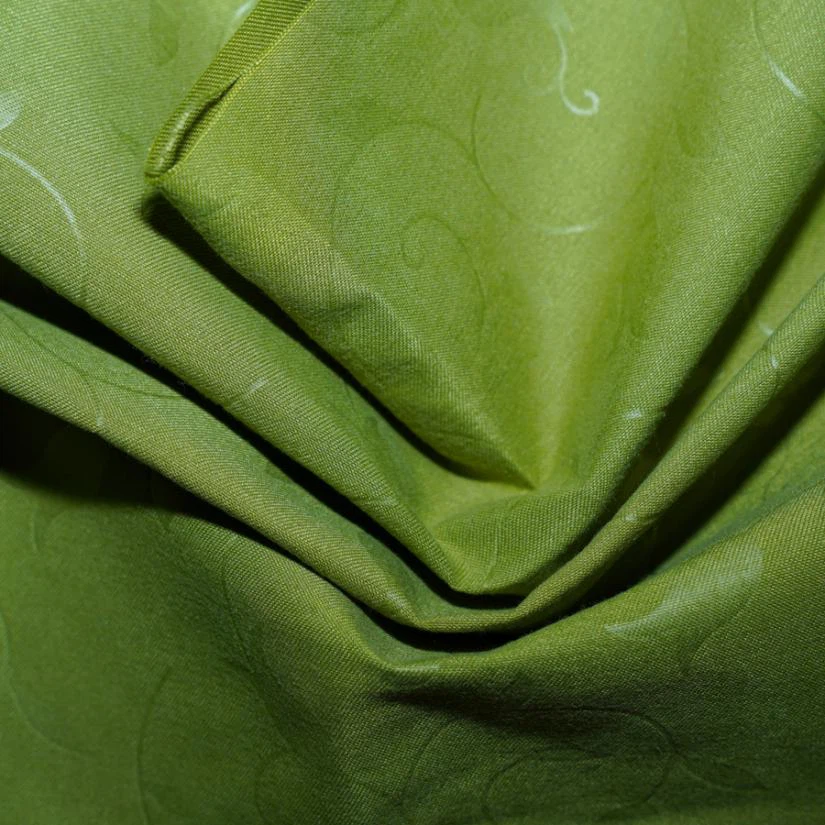
As a supplier of polyester sheet fabric, I've often been asked about the anti - microbial properties of our products. In this blog, I'll delve into what these properties are, how they work, and why they matter in the context of polyester sheet fabric.
Understanding Anti - microbial Properties
Anti - microbial properties refer to a material's ability to inhibit the growth, reproduction, or survival of microorganisms such as bacteria, fungi, and viruses. This is crucial in various applications, especially in fabrics used for bedding, clothing, and medical settings. Microorganisms can cause a range of problems, from unpleasant odors and stains to more serious health issues like infections.
When it comes to polyester sheet fabric, the anti - microbial aspect is not inherent in the basic polyester material. Polyester is a synthetic polymer made from petroleum - based products. By itself, it doesn't have natural anti - microbial capabilities like some natural fibers such as bamboo or wool. However, through various treatment processes, we can imbue polyester sheet fabric with anti - microbial properties.
How Polyester Sheet Fabric Gets Anti - microbial Properties
There are several methods to make polyester sheet fabric anti - microbial. One common approach is the use of anti - microbial agents during the manufacturing process. These agents can be added to the polyester fibers at the spinning stage or applied as a coating on the finished fabric.
Incorporation during Spinning
When anti - microbial agents are incorporated during the spinning process, they become an integral part of the polyester fibers. This method ensures long - lasting anti - microbial protection because the agents are evenly distributed throughout the fiber structure. As the fabric is used and washed, the anti - microbial properties are less likely to degrade quickly compared to surface - applied treatments.
Surface Coating
Applying an anti - microbial coating on the finished polyester sheet fabric is another popular method. This involves spraying or dipping the fabric in a solution containing anti - microbial agents. The advantage of this method is that it can be done as a post - production step, which means we can treat existing fabric stocks. However, the coating may wear off over time with repeated washing, reducing the anti - microbial effectiveness.
Types of Anti - microbial Agents Used
There are different types of anti - microbial agents used in polyester sheet fabric. Some of the most common ones include:
Silver - based Agents
Silver has long been known for its anti - microbial properties. Silver ions can disrupt the cell membranes of microorganisms, preventing their growth and reproduction. Silver - based anti - microbial agents are often used in polyester sheet fabric because they are effective against a wide range of bacteria and fungi. They are also relatively stable and can provide long - term protection.
Zinc Pyrithione
Zinc pyrithione is another widely used anti - microbial agent. It has strong anti - fungal and antibacterial properties. It works by interfering with the metabolic processes of microorganisms, ultimately killing them. Zinc pyrithione is often used in combination with other agents to enhance the overall anti - microbial performance of the polyester sheet fabric.
Quaternary Ammonium Compounds
Quaternary ammonium compounds are cationic surfactants that have anti - microbial activity. They can bind to the cell membranes of microorganisms, causing leakage of cellular contents and leading to their death. These compounds are relatively inexpensive and easy to apply, making them a popular choice for treating polyester sheet fabric.
Benefits of Anti - microbial Polyester Sheet Fabric
The anti - microbial properties of polyester sheet fabric offer several benefits, both for consumers and in various industries.
For Consumers
- Health Benefits: In bedding and clothing, anti - microbial polyester sheet fabric can help reduce the risk of skin infections and allergies. Microorganisms on fabrics can cause irritation and itching, especially for people with sensitive skin. By inhibiting the growth of these microorganisms, the fabric provides a healthier and more comfortable environment.
- Odor Control: Microorganisms are often the cause of unpleasant odors in fabrics. Anti - microbial polyester sheet fabric can prevent the growth of odor - causing bacteria, keeping the fabric fresh for longer periods. This is particularly important in bedding and sportswear, where sweat can provide a breeding ground for bacteria.
In Industrial Applications
- Medical Settings: In hospitals and healthcare facilities, anti - microbial polyester sheet fabric is used for bedding, curtains, and surgical gowns. It helps reduce the spread of infections and maintains a hygienic environment.
- Food Industry: Polyester sheet fabric with anti - microbial properties can be used in food processing areas. It can prevent the growth of bacteria and fungi on surfaces, reducing the risk of food contamination.
Comparing Anti - microbial Polyester Sheet Fabric with Other Fabrics
When compared to other fabrics, anti - microbial polyester sheet fabric has several advantages.
Natural Fibers
Natural fibers like cotton are popular for their breathability and softness. However, they are more prone to microbial growth because they can absorb moisture easily. Polyester, on the other hand, is hydrophobic, which means it repels water. This characteristic, combined with the anti - microbial treatment, makes polyester sheet fabric less likely to support the growth of microorganisms.
Other Synthetic Fibers
Some synthetic fibers may not have the same level of anti - microbial treatment options as polyester. Polyester's versatility in terms of treatment methods allows for a wide range of anti - microbial solutions to be applied, making it a preferred choice in many applications.
Our Product Range and Anti - microbial Offerings
As a supplier of polyester sheet fabric, we offer a diverse range of products with anti - microbial properties. Our Polyester Bleached Fabric is treated with high - quality anti - microbial agents to ensure long - lasting protection. It is suitable for various applications, including bedding, clothing, and industrial uses.
Our Bed Linen Fabric is specifically designed for the bedding industry. The anti - microbial treatment not only provides health benefits but also enhances the durability of the fabric. It can withstand repeated washing without significant loss of anti - microbial effectiveness.
We also have Bleached White Fabric with anti - microbial properties. The white color gives a clean and fresh look, while the anti - microbial treatment ensures a hygienic environment.
Conclusion
The anti - microbial properties of polyester sheet fabric are a valuable feature that offers numerous benefits in both consumer and industrial applications. Through advanced treatment processes and the use of effective anti - microbial agents, we can provide high - quality polyester sheet fabric that meets the needs of various industries.
If you are interested in our anti - microbial polyester sheet fabric products, we invite you to contact us for further information and to discuss your specific requirements. Whether you are a bedding manufacturer, a clothing brand, or an industrial user, we can provide the right fabric solution for you.


References
- "Textile Science and Technology: Fibers, Yarns, Fabrics, and Nonwovens" by Horst - Peter Reiners
- "Antimicrobial Textiles" by Rajesh K. Kotekar
- Research papers on anti - microbial treatments in synthetic fabrics from scientific journals such as "Textile Research Journal"