Hey there! As a seersucker fabric supplier, I've been getting a lot of questions lately about the environmental impacts of seersucker fabric production. So, I thought I'd take a deep dive into this topic and share what I've learned.
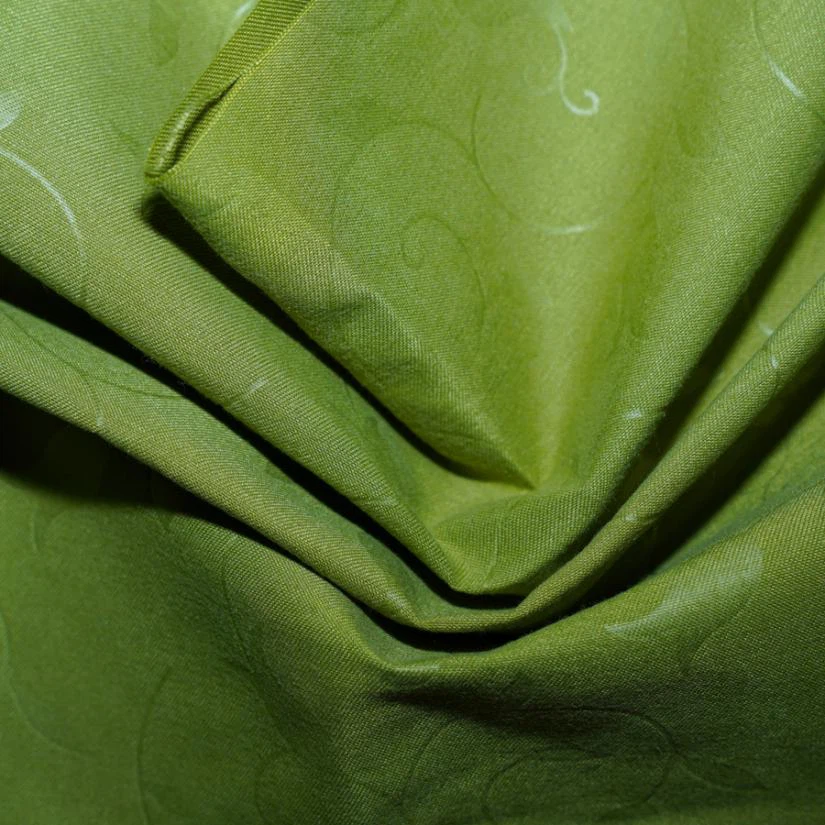
First off, let's talk about what seersucker fabric is. Seersucker is a thin, puckered fabric that's typically made from cotton, but it can also be made from a blend of cotton and polyester. It's known for its distinctive striped or checked pattern and its ability to stay cool in hot weather. It's commonly used in summer clothing, like shirts and shorts, as well as in bedding and home decor. You can check out some great options like Seersucker Dyed Fabric, Seersucker Fabric for Bedding, and Polyester Seersucker.
Cotton Sourcing and Its Environmental Consequences
When it comes to seersucker fabric production, a significant part of the environmental impact starts right at the sourcing stage, especially if it's cotton-based. Cotton is one of the most widely used natural fibers in the world, but its cultivation has some serious environmental drawbacks.
Cotton is a water - intensive crop. It takes a whole lot of water to grow cotton plants. In many cotton - growing regions, water scarcity is already a big problem. Farmers often rely on irrigation systems, which can deplete local water sources. This not only affects the availability of water for other uses, like drinking and agriculture for food crops, but it can also lead to the drying up of rivers and wetlands.
Pesticides and fertilizers are also commonly used in cotton farming. These chemicals are designed to protect the cotton plants from pests and diseases and to boost their growth. However, they can have a detrimental impact on the environment. Pesticides can contaminate soil and water, harming beneficial insects, birds, and other wildlife. Fertilizers, especially nitrogen - based ones, can cause eutrophication in water bodies. This means an overgrowth of algae, which can deplete oxygen in the water and kill fish and other aquatic life.
The Manufacturing Process and Pollution
Once the cotton is harvested, it goes through a series of manufacturing steps to turn it into seersucker fabric. The first step is ginning, where the cotton fibers are separated from the seeds. This process consumes a fair amount of energy, usually in the form of electricity. Most of the electricity in many parts of the world is still generated from fossil fuels, which release greenhouse gases like carbon dioxide into the atmosphere, contributing to climate change.


Next, the fibers are spun into yarn. Spinning also requires energy, and the machinery used in this process can generate a lot of noise pollution. After that, the yarn is woven into fabric. The weaving process is energy - intensive as well, and it can produce a significant amount of waste in the form of leftover yarn and fabric scraps.
Dyeing is another crucial and environmentally - challenging step in seersucker fabric production. Dyes often contain heavy metals and other toxic chemicals. When the wastewater from the dyeing process is discharged without proper treatment, it can contaminate rivers, lakes, and groundwater. This polluted water can be harmful to both humans and the environment. It can cause skin problems, respiratory issues, and other health problems for people living near the dyeing facilities. And for the environment, it can disrupt the ecosystem in water bodies, killing off plants and animals.
Polyester in Seersucker and Microplastic Pollution
If the seersucker fabric is a blend of cotton and polyester or made entirely of polyester, there are additional environmental concerns. Polyester is a synthetic fiber made from petroleum, a non - renewable resource. Extracting and refining petroleum is a major contributor to air pollution, oil spills, and habitat destruction.
One of the most concerning issues with polyester is microplastic pollution. Every time polyester - containing seersucker fabric is washed, tiny plastic particles called microplastics are released into the water. These microplastics can end up in the ocean, where they are ingested by marine life. As these plastics move up the food chain, they can eventually reach humans, potentially causing health problems.
Waste Generation and Disposal
Throughout the seersucker fabric production process, there is a significant amount of waste generated. From the leftover cotton bolls during ginning to the fabric scraps during cutting and sewing, this waste needs to be disposed of properly. Unfortunately, a lot of this waste ends up in landfills. In landfills, the fabric takes a long time to decompose, especially if it's a polyester - based seersucker. And as it decomposes, it can release methane, a potent greenhouse gas that is much more effective at trapping heat in the atmosphere than carbon dioxide.
Possible Solutions and Our Role
But hey, it's not all doom and gloom. There are ways to reduce the environmental impact of seersucker fabric production.
For cotton sourcing, we can look into using organic cotton. Organic cotton is grown without the use of synthetic pesticides and fertilizers. This reduces the pollution associated with chemical use in farming. It also promotes soil health and biodiversity. Many organic cotton farms use more sustainable water management practices, which can help conserve water.
In the manufacturing process, we can invest in more energy - efficient machinery. For example, using modern spinning and weaving equipment that consumes less electricity. We can also implement better waste management strategies. Instead of throwing away fabric scraps, we can recycle them into new products or use them for other purposes.
When it comes to dyeing, there are eco - friendly dyes available. These dyes are made from natural sources or are formulated to be less toxic. They still provide vibrant colors but with a much lower environmental impact. And proper treatment of dyeing wastewater is a must. We can install advanced water treatment systems to remove harmful chemicals before discharging the water.
Conclusion and a Call to Action
As a seersucker fabric supplier, I understand the importance of being environmentally responsible. We have a role to play in reducing the environmental impact of our products. By making more sustainable choices in sourcing, manufacturing, and waste management, we can create seersucker fabric that is not only beautiful but also kind to the planet.
If you're interested in purchasing seersucker fabric that is produced with the environment in mind, or if you have any questions about our products and their environmental impact, don't hesitate to reach out. We're always happy to have a chat and work together towards a more sustainable future.
References
- "The Environmental Impact of Cotton Production" - Textile Institute Journal
- "Microplastics in the Marine Environment" - Marine Pollution Bulletin
- "Sustainable Textile Manufacturing: Challenges and Solutions" - Journal of Cleaner Production