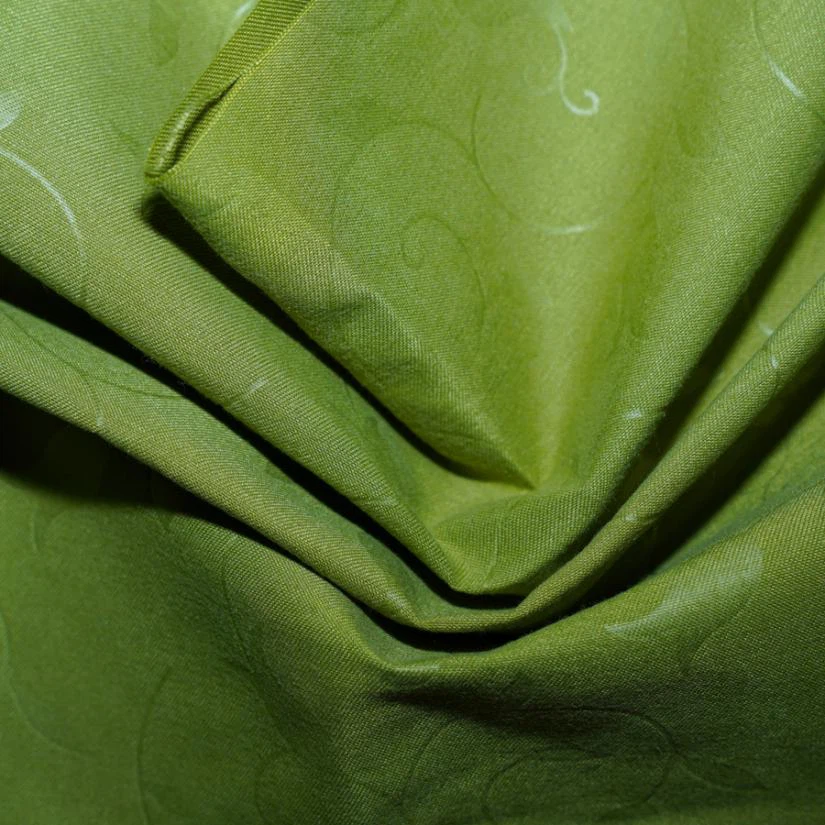
As a seasoned supplier of jacquard fabric, I've witnessed firsthand the allure and versatility of this remarkable textile. Jacquard fabric stands out in the market due to its unique selling points that cater to a wide range of industries and consumer preferences. In this blog, I'll delve into the distinctive features that make jacquard fabric a top choice for designers, manufacturers, and end - users alike.
Intricate and Customizable Patterns
One of the most significant selling points of jacquard fabric is its ability to create intricate and highly detailed patterns. Unlike printed fabrics where the design is simply applied on the surface, jacquard patterns are woven directly into the fabric. This means that the pattern is an integral part of the textile structure, resulting in a more durable and long - lasting design.
The Jacquard loom, which is used to produce this fabric, allows for an almost infinite variety of patterns. From simple geometric shapes to elaborate floral motifs and even complex pictorial designs, the possibilities are endless. Designers can work closely with us as suppliers to create custom - made patterns that meet their specific requirements. Whether it's for a high - end fashion collection, a luxurious home decor item, or a unique industrial application, our jacquard fabric can bring their creative visions to life. For those interested in a particular type of jacquard pattern, you can explore Jacquard Print on our website.
Superior Quality and Durability
Jacquard fabric is renowned for its high - quality construction. The weaving process used to create jacquard patterns ensures that the fabric is strong and resilient. The interlacing of the warp and weft threads in a precise manner not only forms the pattern but also contributes to the overall strength of the fabric.
This durability makes jacquard fabric suitable for a wide range of applications. In the fashion industry, it can be used to make garments that withstand the rigors of daily wear and multiple washings. For home decor, jacquard upholstery fabrics can endure years of use without losing their shape or color. In industrial settings, the fabric's strength can be harnessed for applications such as automotive interiors or heavy - duty bags.
Aesthetic Appeal and Luxury
There's an inherent sense of luxury associated with jacquard fabric. The intricate patterns and the rich texture give it a high - end look and feel that is hard to replicate with other types of textiles. The play of light on the raised patterns creates a three - dimensional effect, adding depth and visual interest to the fabric.
In the world of fashion, jacquard fabrics are often used for evening gowns, suits, and high - end accessories. They add a touch of elegance and sophistication to any outfit. In home decor, jacquard curtains, bedding, and upholstery can transform a room into a luxurious and inviting space. For example, our Jacquard Polyester Bedsheet Fabric offers a combination of style and comfort, making it a popular choice for those who want to upgrade their bedroom decor.
Versatility in Fiber Composition
Jacquard fabric can be made from a variety of fibers, each with its own set of properties and benefits. Cotton jacquard fabric is soft, breathable, and comfortable, making it ideal for clothing and home linens. Silk jacquard fabric exudes a luxurious sheen and is often used for high - end fashion and formal wear.
Synthetic fibers such as polyester also play a significant role in jacquard fabric production. Polyester Jacquard Microfiber Fabric is a popular choice due to its many advantages. It is lightweight, wrinkle - resistant, and easy to care for. It also has good colorfastness, which means that the colors of the jacquard pattern will remain vibrant even after multiple washes. Additionally, polyester jacquard fabric can be engineered to have specific properties such as water - resistance or flame - retardancy, making it suitable for a wide range of applications.
Colorfastness and Consistency
Another important selling point of jacquard fabric is its excellent colorfastness. The dyes used in the production of jacquard fabric are carefully selected to ensure that they adhere well to the fibers and resist fading over time. This is especially important for fabrics that will be exposed to sunlight or frequent washing.
We also take great care to ensure color consistency across different batches of fabric. This is crucial for manufacturers who need to produce products with a uniform appearance. Our quality control processes ensure that the colors of the jacquard patterns are consistent, whether you're ordering a small sample or a large production run.
Adaptability to Different Applications
Jacquard fabric's versatility extends to its adaptability to different applications. In the fashion industry, it can be used for everything from casual wear to formal attire. It can be tailored into jackets, dresses, skirts, and shirts, offering designers a wide range of creative possibilities.


In the home decor sector, jacquard fabric is a popular choice for curtains, drapes, bedding, and upholstery. Its rich patterns and textures can add a touch of elegance to any room. For example, a jacquard upholstered sofa can become the focal point of a living room, while jacquard curtains can create a luxurious and inviting atmosphere.
In the industrial and technical fields, jacquard fabric can be used for applications such as automotive interiors, aerospace components, and protective clothing. Its strength, durability, and customizable patterns make it a suitable choice for these demanding applications.
Environmental Considerations
As a responsible supplier, we are also aware of the growing importance of environmental considerations in the textile industry. We offer a range of jacquard fabrics made from sustainable fibers such as organic cotton and recycled polyester. These fabrics are produced using eco - friendly processes that minimize the impact on the environment.
Organic cotton jacquard fabric is grown without the use of harmful pesticides and synthetic fertilizers, making it a healthier choice for both the environment and the end - user. Recycled polyester jacquard fabric helps to reduce waste by repurposing post - consumer plastic bottles into high - quality textile fibers. By choosing our sustainable jacquard fabrics, customers can contribute to a more sustainable future while still enjoying the unique benefits of jacquard fabric.
Cost - effectiveness in the Long Run
While jacquard fabric may have a higher upfront cost compared to some other types of fabrics, it offers excellent cost - effectiveness in the long run. Its durability means that products made from jacquard fabric will last longer, reducing the need for frequent replacements.
In addition, the ability to create custom - made patterns can eliminate the need for expensive printing or embroidery processes. This can result in cost savings for manufacturers, especially for large - scale production. The high aesthetic appeal of jacquard fabric also means that products made from it can command a higher price in the market, providing a better return on investment.
Conclusion
In conclusion, the unique selling points of jacquard fabric make it a highly desirable choice for a wide range of applications. Its intricate patterns, superior quality, aesthetic appeal, versatility, colorfastness, adaptability, environmental friendliness, and long - term cost - effectiveness set it apart from other fabrics in the market.
As a jacquard fabric supplier, we are committed to providing our customers with the highest quality products and excellent customer service. Whether you're a fashion designer, a home decor manufacturer, or an industrial user, we have the expertise and resources to meet your specific needs.
If you're interested in learning more about our jacquard fabric or would like to discuss a potential project, we invite you to reach out to us. We look forward to the opportunity to work with you and help you bring your creative ideas to life with our exceptional jacquard fabrics.
References
- Textile Institute. (2020). Handbook of Textile Fibre Structure. Woodhead Publishing.
- Lewis, M. (2018). Textile Science. Pearson.
- Vigo, T. L. (2019). Textile Processing and Properties: Preparation, Dyeing, Finishing, and Performance. Elsevier.