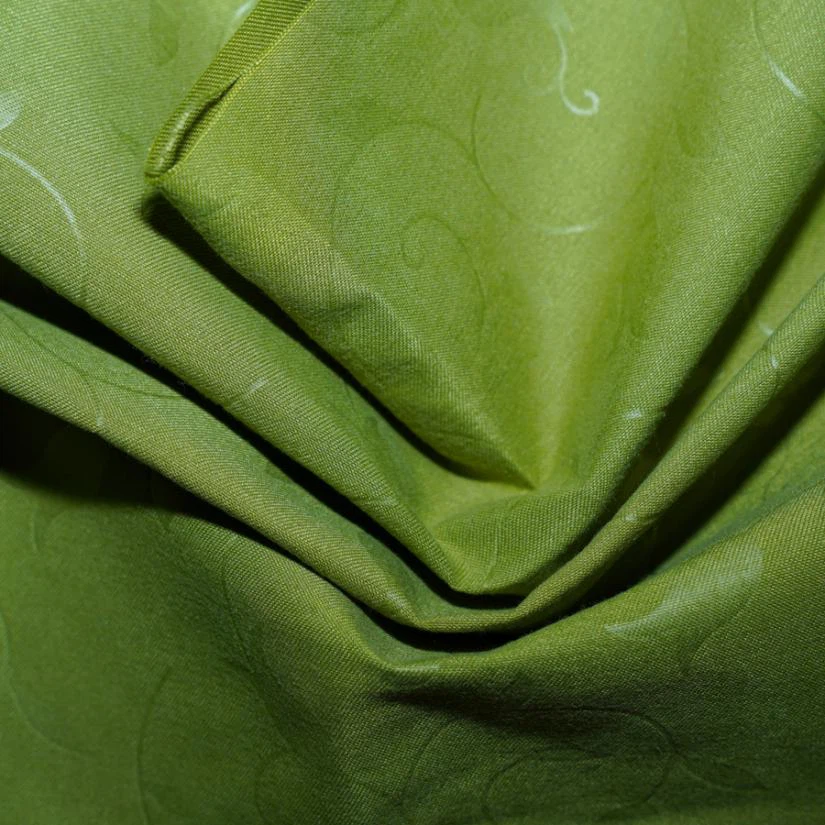
As a supplier of Polyester Bleached Fabric, I often encounter questions from customers regarding the appropriate drying temperature limits for this type of fabric. Understanding these limits is crucial for maintaining the quality, durability, and appearance of the fabric. In this blog post, I will delve into the factors that determine the drying temperature limits for polyester bleached fabric and provide some practical guidelines.
Understanding Polyester Bleached Fabric
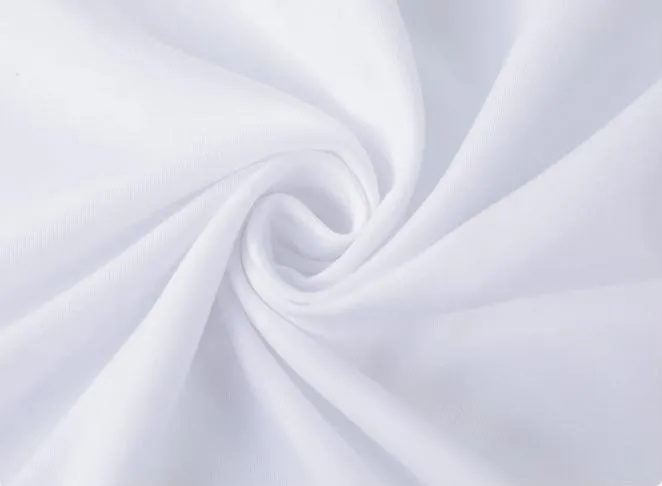
Polyester is a synthetic fiber known for its strength, durability, and resistance to wrinkles and shrinking. Bleaching is a process used to remove natural color and impurities from the fabric, resulting in a bright, white appearance. Polyester bleached fabric is commonly used in a variety of applications, including Bed Linen Fabric, Polyester Sheet Fabric, and Bleached Polyester Bedsheet Fabric.
Factors Affecting Drying Temperature Limits
Several factors influence the drying temperature limits for polyester bleached fabric. These include:
1. Fiber Composition
The composition of the polyester fiber itself plays a significant role. Different types of polyester may have varying melting points and heat sensitivities. For example, high-quality polyester fibers are often more heat-resistant than lower-grade ones.
2. Bleaching Process
The bleaching process can affect the fabric's heat tolerance. Harsh bleaching agents or excessive bleaching can weaken the fibers, making them more susceptible to damage at higher temperatures.
3. Fabric Thickness and Weight
Thicker and heavier fabrics generally require lower drying temperatures to ensure even drying and prevent overheating. Thinner fabrics, on the other hand, can tolerate slightly higher temperatures.
4. Finishes and Treatments
Fabrics with special finishes or treatments, such as anti-static or water-repellent coatings, may have different drying temperature requirements. These finishes can be damaged by excessive heat.

Recommended Drying Temperature Limits
Based on industry standards and our experience as a supplier, the following are general guidelines for drying polyester bleached fabric:
1. Low Heat Setting
For most polyester bleached fabrics, a low heat setting on the dryer is recommended. This typically corresponds to a temperature range of 30°C - 40°C (86°F - 104°F). Low heat helps to prevent shrinkage, melting, and damage to the fabric's fibers.
2. Air Drying
Air drying is an excellent option for polyester bleached fabric, especially if you want to minimize the risk of heat damage. Hang the fabric in a well-ventilated area away from direct sunlight to prevent fading.
3. Test a Small Area
Before drying a large batch of fabric, it's a good idea to test a small, inconspicuous area. This allows you to observe how the fabric responds to the drying temperature and make any necessary adjustments.
Potential Risks of Exceeding Drying Temperature Limits
Exceeding the recommended drying temperature limits can have several negative consequences for polyester bleached fabric:
1. Shrinkage
Polyester can shrink when exposed to high temperatures, especially if it has not been pre-shrunk during the manufacturing process. Shrinkage can cause the fabric to become misshapen and no longer fit properly.
2. Melting
If the temperature is too high, the polyester fibers can start to melt. This can result in a sticky, uneven surface and permanent damage to the fabric.
3. Yellowing
High heat can cause the bleached fabric to yellow over time. This is particularly noticeable in white or light-colored fabrics and can significantly affect their appearance.
4. Weakening of Fibers
Excessive heat can weaken the polyester fibers, making the fabric more prone to tearing and fraying. This can reduce the fabric's lifespan and durability.
Tips for Safe Drying
To ensure the safe and effective drying of polyester bleached fabric, consider the following tips:
1. Read the Care Label
Always check the care label on the fabric for specific drying instructions. The manufacturer's recommendations are based on the fabric's composition and construction and should be followed carefully.
2. Sort Fabrics by Color and Weight
Sort the fabrics before drying to prevent color bleeding and ensure even drying. Separate light and dark colors, and group fabrics of similar weight and thickness together.
3. Use a Mesh Laundry Bag
If you're drying delicate or small items, place them in a mesh laundry bag to protect them from getting tangled or damaged in the dryer.
4. Remove Fabric Promptly
Once the drying cycle is complete, remove the fabric from the dryer promptly. Leaving the fabric in the dryer for an extended period can cause wrinkles and increase the risk of heat damage.
Conclusion
As a supplier of Polyester Bleached Fabric, I understand the importance of maintaining the quality of the fabric throughout the drying process. By following the recommended drying temperature limits and taking appropriate precautions, you can ensure that your polyester bleached fabric remains in excellent condition for years to come.
If you have any further questions about drying polyester bleached fabric or are interested in purchasing our high-quality products, please feel free to contact us for a detailed discussion and potential procurement. We look forward to serving you and meeting your fabric needs.
References
- Textile Institute. (2023). Handbook of Textile Fibres. Woodhead Publishing.
- ASTM International. (2023). Standard Test Methods for Physical Testing of Textiles. ASTM.