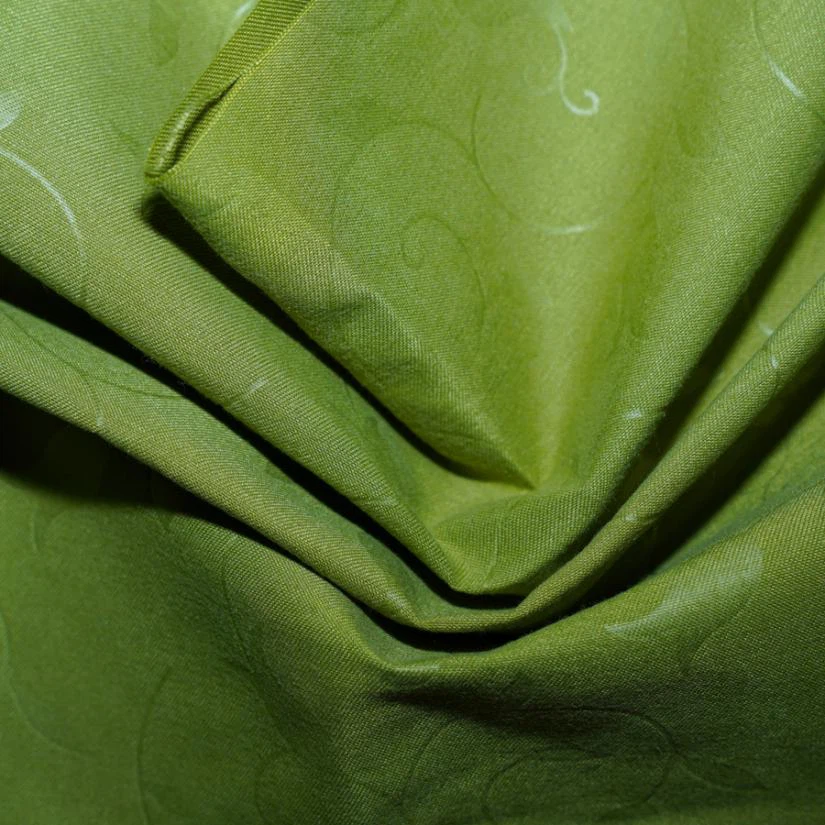
Hey there! As a seersucker fabric supplier, I often get asked if seersucker fabric is hypoallergenic. It's a super important question, especially for those with sensitive skin or allergies. So, let's dig into this topic and find out the truth about seersucker fabric and its hypoallergenic properties.
First off, what exactly is seersucker fabric? Seersucker is a lightweight, puckered fabric that's been around for ages. It's known for its distinctive texture, which comes from alternating bands of flat and puckered fabric. This texture not only gives seersucker its unique look but also makes it super breathable, which is great for hot weather.
Now, let's talk about what makes a fabric hypoallergenic. Hypoallergenic fabrics are those that are less likely to cause an allergic reaction. This can be due to a variety of factors, such as the type of fibers used, the way the fabric is processed, and any chemicals or dyes that are added.
Seersucker fabric can be made from a variety of fibers, including cotton, polyester, and blends of the two. Each type of fiber has its own characteristics when it comes to hypoallergenic properties.
Cotton seersucker is one of the most popular options. Cotton is a natural fiber, which means it's generally considered to be hypoallergenic. It's soft, breathable, and gentle on the skin, making it a great choice for people with sensitive skin or allergies. Cotton also has a high moisture-wicking ability, which helps keep the skin dry and comfortable. This can reduce the risk of skin irritation and allergic reactions.
On the other hand, 100% Polyester Seersucker Fabric is a synthetic option. Polyester is a man-made fiber that's known for its durability and wrinkle resistance. While polyester itself isn't inherently allergenic, some people may have sensitivities to the chemicals used in the manufacturing process. For example, some polyester fabrics may be treated with formaldehyde or other chemicals to make them more wrinkle-resistant or flame-retardant. These chemicals can potentially cause skin irritation or allergic reactions in some individuals.
Blended seersucker fabrics, which combine cotton and polyester, offer a balance between the natural properties of cotton and the durability of polyester. These blends can be a good option for those who want the benefits of both fibers. However, it's important to note that the hypoallergenic properties of a blended fabric will depend on the ratio of cotton to polyester and the specific manufacturing processes used.

Another factor to consider when it comes to the hypoallergenic properties of seersucker fabric is the way it's dyed. Seersucker Dyed Fabric can be treated with a variety of dyes, some of which may be more likely to cause allergic reactions than others. Natural dyes, which are made from plant or animal sources, are generally considered to be more hypoallergenic than synthetic dyes. Synthetic dyes can contain a variety of chemicals, such as heavy metals and azo dyes, which can potentially cause skin irritation or allergic reactions.
If you're concerned about the dyes used in seersucker fabric, look for fabrics that are labeled as using natural dyes or low-impact dyes. These dyes are less likely to contain harmful chemicals and are generally considered to be more environmentally friendly.
In addition to the type of fibers and dyes used, the way seersucker fabric is processed can also affect its hypoallergenic properties. Fabrics that are processed using harsh chemicals or high temperatures may be more likely to cause skin irritation or allergic reactions. Look for fabrics that are processed using gentle methods and that are free from unnecessary chemicals.
So, is seersucker fabric hypoallergenic? The answer is that it depends. Cotton seersucker is generally considered to be hypoallergenic, while polyester seersucker may be more likely to cause allergic reactions in some individuals. Blended seersucker fabrics can offer a balance between the two, but it's important to consider the specific blend and manufacturing processes used.
If you have sensitive skin or allergies, it's a good idea to test a small piece of seersucker fabric on your skin before using it. This can help you determine if you have any allergic reactions to the fabric. You can also look for fabrics that are labeled as hypoallergenic or that have been tested for allergenicity.
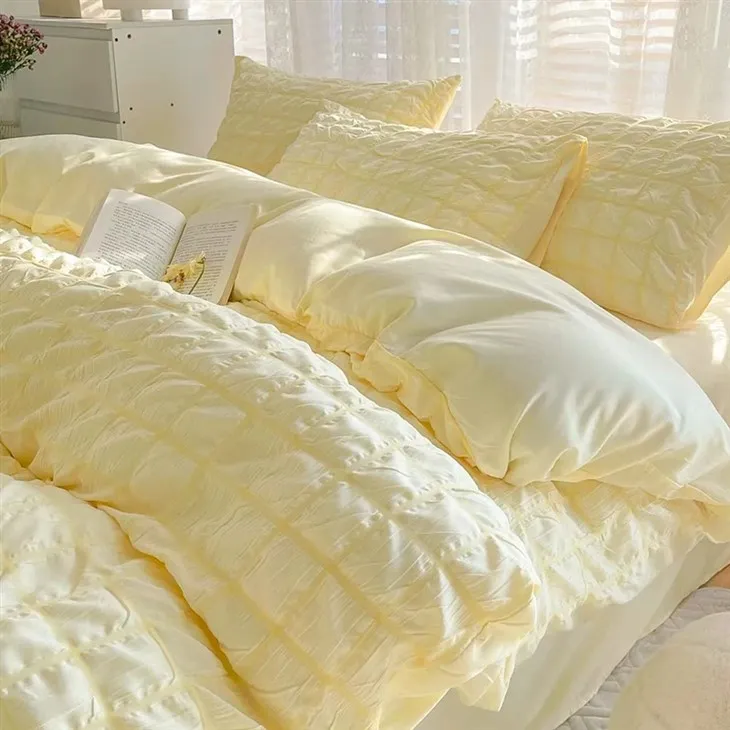
Seersucker fabric is a versatile and stylish option that can be used for a variety of applications, including clothing, bedding, and home decor. Seersucker Fabric for Bedding is a popular choice, as it's soft, breathable, and can help keep you cool at night. Whether you're looking for a hypoallergenic option or just want a comfortable and stylish fabric, seersucker is definitely worth considering.
If you're interested in purchasing seersucker fabric, I'd love to chat with you. As a seersucker fabric supplier, I have a wide range of options available, including different fibers, colors, and patterns. Whether you're a small business owner looking to source fabric for your products or an individual looking for a unique fabric for a DIY project, I can help you find the perfect seersucker fabric for your needs.
Don't hesitate to reach out and start a conversation about your fabric requirements. I'm here to provide you with the best quality seersucker fabric and excellent customer service. Let's work together to find the ideal fabric for your next project!
References
- Textile Institute. "Textile Fibre Properties."
- American Academy of Dermatology. "Skin Allergies: Causes, Symptoms, and Treatment."