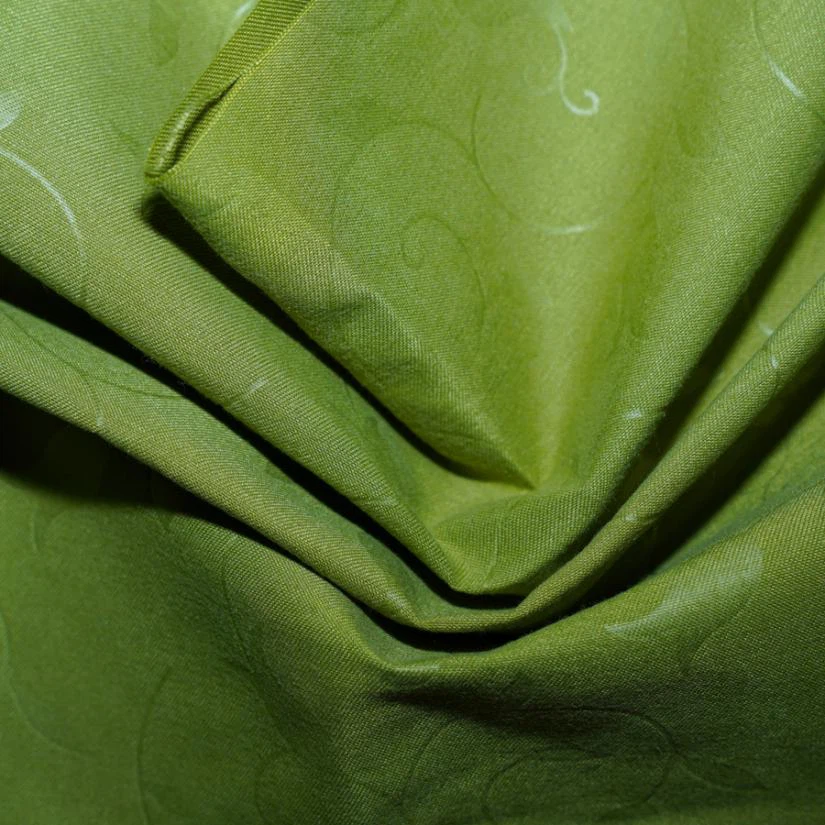
Is printed woven fabric water-resistant? This is a question that many customers often ask me as a supplier of Printed Woven Fabric. In this blog, I will delve into the characteristics of printed woven fabric, explore its water - resistance properties, and share some insights on related aspects.
Understanding Printed Woven Fabric
Printed woven fabric is a versatile material that combines the art of printing with the structure of woven textiles. The weaving process involves interlacing two sets of yarns at right angles to create a stable and durable fabric. Printing on this woven base can add a wide range of colors, patterns, and designs, making it suitable for various applications such as clothing, home decor, and industrial uses.


The types of printing methods used on woven fabric include screen printing, digital printing, and block printing. Each method has its own advantages and limitations, and can affect the overall properties of the fabric, including its water - resistance. For example, screen printing can produce bold and vibrant colors, but it may also add a certain thickness to the fabric surface, which could potentially influence how water interacts with it.
Factors Affecting Water - Resistance of Printed Woven Fabric
-
Fiber Type
The type of fibers used in the woven fabric plays a crucial role in determining its water - resistance. Natural fibers such as cotton and linen are hydrophilic, meaning they have an affinity for water. Cotton, for instance, can absorb a significant amount of water, making the fabric wet and heavy when exposed to moisture. On the other hand, synthetic fibers like polyester and nylon are hydrophobic. Polyester has low water absorption, which gives it better inherent water - resistant properties compared to natural fibers. -
Weave Structure
The weave structure of the fabric also impacts its water - resistance. A tight weave, such as a twill or satin weave, can reduce the spaces between the yarns, making it more difficult for water to penetrate. In contrast, a loose weave like a plain weave may allow water to pass through more easily. For example, a tightly woven polyester fabric is likely to be more water - resistant than a loosely woven cotton fabric. -
Printing Process and Inks
The printing process and the inks used can either enhance or diminish the water - resistance of the fabric. Some printing inks may contain chemicals that can create a thin film on the fabric surface, which can act as a barrier against water. However, if the printing process damages the fabric fibers or disrupts the natural structure of the weave, it could potentially reduce the fabric's water - resistance. For example, aggressive washing after printing may remove the protective layer created by the inks and expose the fabric to water penetration. -
Finishing Treatments
Finishing treatments are often applied to printed woven fabric to improve its water - resistance. These treatments can include the application of water - repellent coatings or treatments that make the fabric hydrophobic. For example, a fluoropolymer coating can be applied to the fabric, which creates a non - stick surface that causes water to bead up and roll off. However, the effectiveness of these treatments can vary depending on the quality of the treatment and how well it adheres to the fabric.
Assessing the Water - Resistance of Printed Woven Fabric
There are several ways to assess the water - resistance of printed woven fabric. One common method is the water repellency test, which involves spraying water onto the fabric surface and observing how the water behaves. If the water beads up and rolls off the fabric, it indicates good water - repellency. Another method is the hydrostatic head test, which measures the pressure of water that the fabric can withstand before it starts to leak. A higher hydrostatic head value indicates better water - resistance.
Applications of Water - Resistant Printed Woven Fabric
- Outdoor Apparel
Water - resistant printed woven fabric is ideal for outdoor apparel such as raincoats, jackets, and pants. It can protect the wearer from rain and moisture while allowing the fabric to breathe, preventing the build - up of sweat and moisture inside the garment. The printed designs on the fabric can also add a stylish element to the outdoor clothing. - Umbrellas
Umbrellas made from water - resistant printed woven fabric can provide effective protection from rain. The printed patterns on the umbrella can make it more attractive and unique. - Tents and Awnings
For tents and awnings, water - resistant printed woven fabric is essential. It can keep the interior dry during rainy weather and also add a decorative touch to the outdoor structures.
Comparing Printed Woven Fabric with Printed Waterproof Fabric
While printed woven fabric can have some degree of water - resistance, Printed Waterproof Fabric is specifically designed to be completely impervious to water. Printed waterproof fabric often undergoes more intensive waterproofing treatments and may have a higher level of water - resistance compared to regular printed woven fabric. However, printed woven fabric offers more versatility in terms of breathability and comfort, which may be more suitable for certain applications.
Natural Printing on Fabric and Water - Resistance
Natural Printing On Fabric is a growing trend in the textile industry. Natural printing methods use natural dyes and pigments derived from plants, minerals, and other natural sources. These natural prints can add a unique and eco - friendly touch to the fabric. However, the water - resistance of fabric with natural prints may be different from fabric printed with synthetic inks. Natural dyes may not have the same water - repellent properties as some synthetic inks, but they can still be combined with water - repellent finishing treatments to enhance the fabric's water - resistance.
Conclusion
In conclusion, whether printed woven fabric is water - resistant depends on a variety of factors, including the fiber type, weave structure, printing process, and finishing treatments. While some printed woven fabric may have good water - resistance, others may require additional treatments to achieve the desired level of water - protection. As a supplier of printed woven fabric, we offer a wide range of options with different levels of water - resistance to meet the diverse needs of our customers.
If you are interested in our printed woven fabric products or have any questions about their water - resistance, please feel free to contact us for more information and to discuss your specific requirements. We are committed to providing high - quality products and excellent customer service.
References
- Textile Chemistry and Coloration, Volume 1: Dyeing, by Christopher C. Cooke
- Handbook of Textile Fibre Structure, Volume 1: Natural Fibres, edited by David J. Spooner
- The Technology of Textile Finishing, by A. S. M. Sayeed