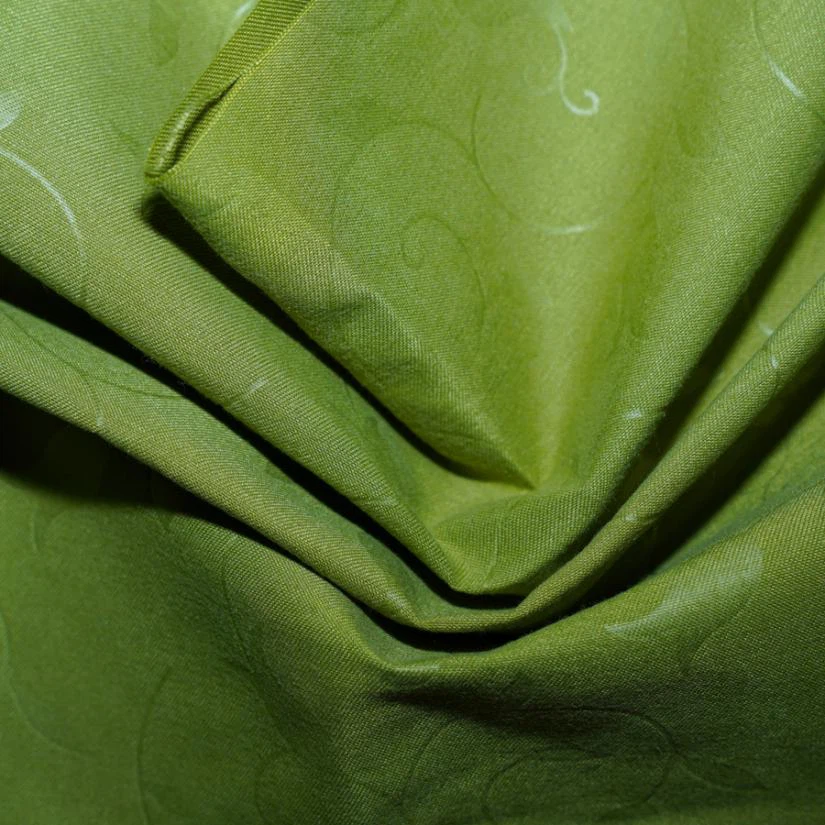
Is seersucker dyed fabric breathable? This is a question that often comes up when people are considering fabrics for various applications, especially in warm weather. As a supplier of Seersucker Dyed Fabric, I've had the opportunity to delve deep into the properties of this unique material, and I'm excited to share my insights with you.
Understanding Seersucker Fabric
Seersucker fabric has a long - standing history, dating back to ancient times. It is characterized by its puckered or ribbed texture, which is created through a special weaving process. The fabric typically has alternating rows of flat and puckered areas. This distinctive texture not only gives seersucker its aesthetic appeal but also plays a crucial role in its functionality.
The word "seersucker" is believed to have originated from the Persian words "shir o shakar," which means "milk and sugar." This might be a reference to the fabric's smooth and rough alternating appearance, similar to the contrast between milk and sugar.


Breathability of Seersucker Fabric
One of the most significant advantages of seersucker fabric is its breathability. The puckered areas in the fabric create tiny air pockets. These air pockets act as natural ventilators, allowing air to circulate freely through the fabric. When you wear seersucker clothing, the air can move in and out of these pockets, carrying away heat and moisture from your body.
This natural ventilation system makes seersucker an excellent choice for warm - weather clothing. Whether it's a seersucker shirt, dress, or even a pair of shorts, you'll find that it keeps you cooler and more comfortable compared to many other fabrics.
Seersucker Dyed Fabric: Does Dyeing Affect Breathability?
Now, let's focus on seersucker dyed fabric. Dyeing is a process that adds color to the fabric. The question is, does the dyeing process impact the breathability of seersucker fabric?
In general, when done correctly, the dyeing process should not significantly affect the breathability of seersucker fabric. Modern dyeing techniques are designed to penetrate the fibers of the fabric without clogging the air pockets created by the seersucker weave. High - quality dyes are used that bond well with the fabric fibers, ensuring long - lasting color without sacrificing the fabric's natural ventilation properties.
However, it's important to note that if low - quality dyes are used or if the dyeing process is not properly controlled, there could be a potential issue. Poorly applied dyes might accumulate in the air pockets, reducing the fabric's ability to breathe. That's why at our company, we take great care in the dyeing process. We use only the highest - quality dyes and follow strict quality control measures to ensure that our Seersucker Dyed Fabric retains its breathability.
Different Types of Seersucker and Their Breathability
There are different types of seersucker fabric, and their breathability can vary slightly depending on the materials used.
Cotton Seersucker
Cotton seersucker is one of the most popular types. Cotton is a natural fiber known for its breathability. When combined with the seersucker weave, it creates a fabric that is extremely breathable. Cotton fibers absorb moisture from the body and allow it to evaporate quickly, keeping you dry and cool.
Polyester Seersucker
Polyester seersucker is another option. Polyester is a synthetic fiber that is known for its durability and wrinkle - resistance. While polyester is not as breathable as cotton on its own, the seersucker weave helps to improve its ventilation. The air pockets in the seersucker fabric allow some air circulation, making Polyester Seersucker more breathable than regular polyester fabric.
100% Polyester Seersucker Fabric
100% Polyester Seersucker Fabric offers the benefits of polyester, such as easy care and quick - drying properties. The seersucker weave enhances its breathability, making it a suitable choice for those who want a low - maintenance fabric that still provides some ventilation.
Applications of Breathable Seersucker Dyed Fabric
The breathability of seersucker dyed fabric makes it suitable for a wide range of applications.
Clothing
As mentioned earlier, seersucker dyed fabric is commonly used in warm - weather clothing. It's perfect for summer shirts, dresses, and children's clothing. The breathable nature of the fabric ensures that wearers stay comfortable even in hot and humid conditions.
Home Decor
Seersucker dyed fabric can also be used in home decor. It can be made into curtains, pillow covers, or even tablecloths. The breathability of the fabric can help to keep the room feeling fresh and airy.
Outdoor Gear
For outdoor activities, seersucker dyed fabric can be used to make hats, bandanas, or even lightweight backpack covers. The breathable fabric helps to prevent overheating during outdoor adventures.
Why Choose Our Seersucker Dyed Fabric
As a supplier of Seersucker Dyed Fabric, we take pride in offering high - quality products. Our fabric is carefully woven and dyed to ensure maximum breathability. We source the best raw materials and use state - of - the - art dyeing techniques.
We also offer a wide range of colors and patterns, allowing you to find the perfect seersucker dyed fabric for your needs. Whether you're a clothing manufacturer, a home decor designer, or an individual looking for a unique fabric, we have something to offer.
Contact Us for Procurement
If you're interested in purchasing our Seersucker Dyed Fabric, we'd love to hear from you. Our team is ready to assist you with any questions you may have and to discuss your specific requirements. We can provide samples so that you can experience the quality and breathability of our fabric firsthand.
Whether you need a small quantity for a personal project or a large order for commercial use, we can accommodate your needs. Don't hesitate to reach out and start a conversation about how our Seersucker Dyed Fabric can be the perfect choice for your next project.
References
- Textile Institute. "Handbook of Textile Fibres." Woodhead Publishing, 2016.
- Lewis, D. M. "Textile Coloration and Finishing." CRC Press, 2019.
- Horrocks, A. R. "Handbook of Technical Textiles." Woodhead Publishing, 2019.