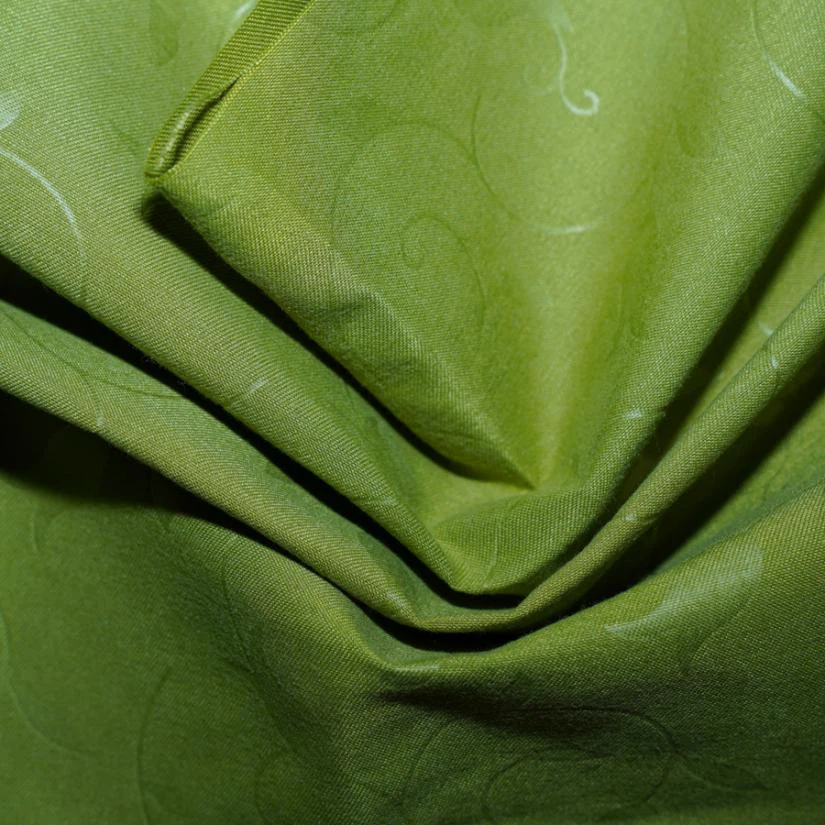
Seersucker fabric, with its distinctive puckered texture and breathability, has long been a favorite in the textile industry. As a supplier of Seersucker Dyed Fabric, I often encounter a common question from customers: Does seersucker dyed fabric fray easily? In this blog post, I'll delve into the factors that influence the fraying of seersucker dyed fabric and provide insights based on my experience in the field.


Understanding Seersucker Fabric
Seersucker is a lightweight, puckered fabric typically made from cotton, polyester, or a blend of both. Its unique texture is created through a special weaving process that alternates between tight and loose threads, resulting in a fabric with a wrinkled appearance. This texture not only gives seersucker its characteristic look but also enhances its breathability, making it ideal for warm-weather clothing and bedding.
Seersucker dyed fabric is simply seersucker that has been treated with dyes to achieve a specific color. The dyeing process can vary depending on the type of fabric and the desired color, but it generally involves immersing the fabric in a dye bath or applying the dye using a printing technique.
Factors Affecting Fraying
Several factors can influence the fraying of seersucker dyed fabric. Understanding these factors can help you determine whether a particular fabric is likely to fray easily and take appropriate measures to prevent or minimize fraying.
Fiber Content
The fiber content of seersucker dyed fabric plays a significant role in its fraying resistance. Cotton seersucker, for example, is more prone to fraying than polyester seersucker. This is because cotton fibers are relatively short and have a natural tendency to separate from the fabric when subjected to friction or stress. Polyester fibers, on the other hand, are longer and more durable, making them less likely to fray.
If you're looking for a seersucker dyed fabric that is less likely to fray, consider choosing a polyester seersucker or a cotton-polyester blend. These fabrics offer a good balance of breathability and durability, making them suitable for a variety of applications. You can explore our Polyester Seersucker collection to find the perfect fabric for your needs.
Weave Structure
The weave structure of seersucker dyed fabric can also affect its fraying resistance. Seersucker fabric is typically woven using a plain weave or a twill weave. Plain weave fabrics are more prone to fraying than twill weave fabrics because the threads in a plain weave are interlaced in a simple over-and-under pattern, which makes them more likely to separate when subjected to friction or stress.
Twill weave fabrics, on the other hand, have a more complex weave structure that creates a diagonal pattern on the fabric surface. This pattern helps to hold the threads together and makes the fabric more resistant to fraying. If you're concerned about fraying, consider choosing a seersucker dyed fabric with a twill weave.
Dyeing Process
The dyeing process can also have an impact on the fraying resistance of seersucker dyed fabric. Some dyeing processes, such as high-temperature dyeing or the use of harsh chemicals, can weaken the fabric fibers and make them more prone to fraying. To minimize the risk of fraying, it's important to choose a dyeing process that is gentle on the fabric and preserves its strength and durability.
At our company, we use a state-of-the-art dyeing process that is designed to minimize the impact on the fabric fibers. Our dyes are carefully selected to ensure that they are colorfast and do not cause any damage to the fabric. We also take extra care to ensure that the fabric is properly washed and finished after the dyeing process to remove any excess dye or chemicals that could weaken the fibers.
Handling and Care
The way you handle and care for seersucker dyed fabric can also affect its fraying resistance. Rough handling, such as pulling or tugging on the fabric, can cause the threads to separate and lead to fraying. It's important to handle the fabric gently and avoid any unnecessary stress or friction.
Proper care is also essential for maintaining the fraying resistance of seersucker dyed fabric. Follow the care instructions provided by the manufacturer to ensure that the fabric is washed and dried correctly. Avoid using harsh detergents or bleach, as these can damage the fabric fibers and make them more prone to fraying. Instead, use a mild detergent and wash the fabric in cold water on a gentle cycle.
Preventing Fraying
While it's impossible to completely eliminate the risk of fraying, there are several steps you can take to prevent or minimize fraying in seersucker dyed fabric.
Finish the Edges
One of the most effective ways to prevent fraying is to finish the edges of the fabric. This can be done using a variety of techniques, such as hemming, serging, or using a fray stopper. Hemming involves folding the edge of the fabric over and stitching it down to create a clean, finished edge. Serging involves using a serger machine to trim the edge of the fabric and stitch a overcast stitch around it to prevent fraying. Fray stopper is a liquid or spray that can be applied to the edge of the fabric to prevent the threads from separating.
Use Reinforcement
Another way to prevent fraying is to use reinforcement in areas of the fabric that are likely to be subjected to stress or friction. This can be done by adding a layer of interfacing or a binding tape to the fabric. Interfacing is a layer of fabric that is fused to the back of the fabric to add strength and stability. Binding tape is a narrow strip of fabric that is sewn around the edge of the fabric to provide a finished look and prevent fraying.
Store the Fabric Properly
Proper storage is also important for preventing fraying in seersucker dyed fabric. Store the fabric in a cool, dry place away from direct sunlight and moisture. Avoid folding the fabric too tightly or storing it in a cramped space, as this can cause the threads to become compressed and more prone to fraying.
Conclusion
In conclusion, the fraying of seersucker dyed fabric depends on several factors, including fiber content, weave structure, dyeing process, handling, and care. By understanding these factors and taking appropriate measures to prevent or minimize fraying, you can ensure that your seersucker dyed fabric remains in good condition and retains its fraying resistance for a long time.
As a supplier of Seersucker Dyed Fabric, we are committed to providing our customers with high-quality fabrics that are durable and resistant to fraying. Our fabrics are carefully selected and tested to ensure that they meet the highest standards of quality and performance. Whether you're looking for seersucker fabric for bedding, clothing, or other applications, we have a wide range of options to choose from.
If you're interested in learning more about our seersucker dyed fabric or have any questions about fraying or fabric care, please don't hesitate to contact us. We'd be happy to help you find the perfect fabric for your needs and provide you with any information or assistance you may need.
References
- Textile Institute. (2019). Handbook of Textile Fibre Structure. Woodhead Publishing.
- Tortora, P. G., & Merkel, J. B. (2016). Fairchild's Dictionary of Textiles. Fairchild Books.
- Vigo, T. L. (2019). Textile Processing and Properties: Preparation, Dyeing, Printing, Finishing, and Performance. Elsevier.