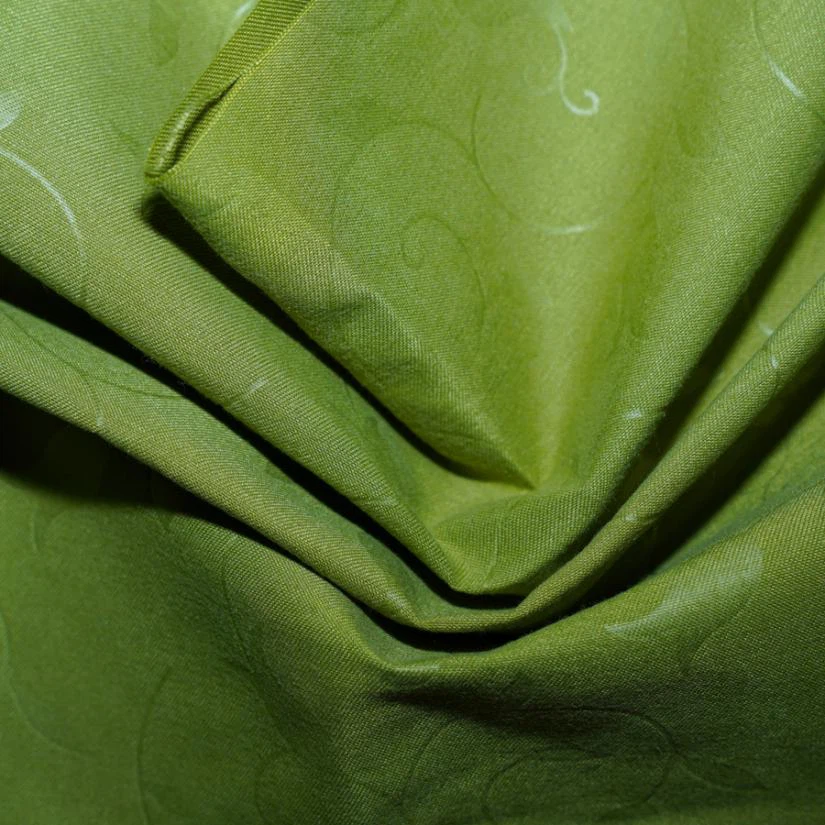
Hey there! As a supplier in the pigment textile printing business, I know how crucial color fastness is. It's the make - or - break factor for customer satisfaction and the long - term success of our products. In this blog, I'll share some tips on how to improve the color fastness of pigment textile printing.
Understanding Pigment Textile Printing
First off, let's quickly go over what pigment textile printing is. Pigment printing involves applying pigments (which are basically tiny color particles) onto the fabric surface. Unlike dyes that penetrate the fibers, pigments sit on top of the fabric and are held in place by a binder. This method is super versatile as it can be used on a wide range of fabrics, including Polyester Pigment Printed Fabric.
Factors Affecting Color Fastness
There are several factors that can mess with the color fastness of pigment - printed textiles.
Quality of Pigments and Binders
The quality of the pigments and binders you use is key. Low - quality pigments might fade easily, and a poor - performing binder won't hold the pigments firmly to the fabric. You want to invest in high - grade pigments that are resistant to light, washing, and rubbing. The binder should have good adhesion properties and be able to form a strong film around the pigments. For example, when working on 100% Polyester Pigment Printed Fabric, a binder that is specifically formulated for polyester can make a huge difference.
Printing Process
The way you print the fabric also matters. If the printing pressure is too low, the pigments might not be properly transferred onto the fabric, leading to poor color fastness. On the other hand, if the pressure is too high, it can damage the fabric or cause the pigments to spread unevenly. The drying and curing temperatures are also critical. If the fabric isn't dried or cured at the right temperature and for the right amount of time, the binder won't fully set, and the color will be more likely to fade.
Fabric Type
Different fabrics have different characteristics that can affect color fastness. For instance, natural fibers like cotton absorb moisture more easily than synthetic fibers like polyester. This means that cotton fabrics might be more prone to color bleeding during washing. When doing Pigment Printing On Polyester Fabric, you need to take into account the smooth surface of polyester, which can make it a bit trickier for the pigments to adhere compared to a more porous fabric.
Tips to Improve Color Fastness
Select High - Quality Materials
As I mentioned earlier, using high - quality pigments and binders is essential. Do your research and find suppliers that have a good reputation for providing reliable products. Look for pigments that are certified for their light and wash fastness. And when it comes to binders, choose ones that are compatible with the type of fabric you're printing on.
Optimize the Printing Process
Make sure you're using the right printing pressure. Test different pressure settings on sample fabrics to find the sweet spot. Also, pay close attention to the drying and curing process. Follow the manufacturer's recommendations for temperature and time. You might need to do some trial - and - error to get it just right, but it's worth it in the end.
Pre - and Post - Treatment of Fabric
Pre - treating the fabric can improve the adhesion of the pigments. For example, you can use a fabric softener or a pre - treatment agent that helps the fabric absorb the pigments better. After printing, a post - treatment like a fixing agent can help lock in the color. This can significantly enhance the color fastness, especially for fabrics that are going to be washed frequently.
Control the Environment
The environment in which you print and store the fabrics can also affect color fastness. High humidity can cause the pigments to dissolve or the binder to break down. Keep your printing area and storage facilities at a stable temperature and humidity level. Avoid exposing the printed fabrics to direct sunlight for long periods, as this can cause the colors to fade.


Testing Color Fastness
It's not enough to just take steps to improve color fastness; you also need to test it. There are several standard tests you can do, such as the washing fastness test, the rubbing fastness test, and the light fastness test. These tests will give you an idea of how well your printed fabrics will hold up under different conditions. If the test results aren't up to par, you can go back and adjust your materials or process.
Conclusion
Improving the color fastness of pigment textile printing is a multi - step process. It involves choosing the right materials, optimizing the printing process, treating the fabric properly, and testing the results. By following these tips, you can produce high - quality, long - lasting printed fabrics that will satisfy your customers.
If you're in the market for pigment - printed fabrics or have any questions about improving color fastness, I'd love to chat. Whether you're looking for Polyester Pigment Printed Fabric, 100% Polyester Pigment Printed Fabric, or need advice on Pigment Printing On Polyester Fabric, don't hesitate to reach out. Let's work together to create amazing printed textiles!
References
- Textile Printing Handbook, various editions
- Journal of Textile Science and Technology, multiple issues related to pigment printing
- Manufacturer's guides for pigments and binders