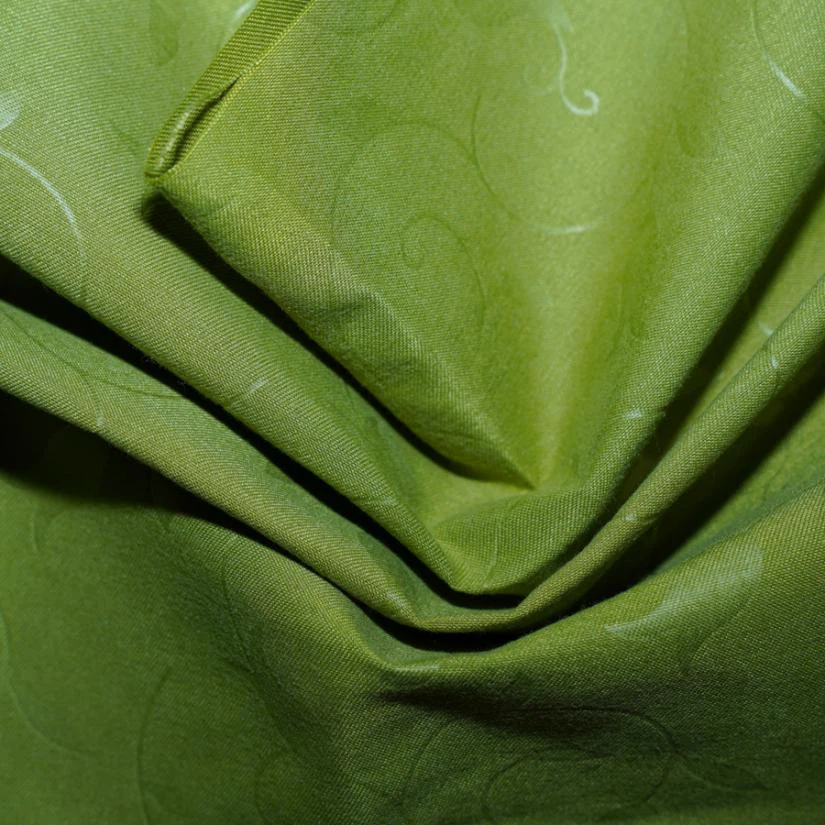
Hey there! As a supplier in the pigment textile printing biz, I know how crucial proper drying is for pigment textile prints. It's not just about making the colors look good; it's about ensuring the longevity and quality of the prints. In this blog, I'll share some tips on how to make sure your pigment textile prints dry properly.
Understanding the Basics of Pigment Textile Printing
Before we dive into the drying process, let's quickly go over what pigment textile printing is. Pigment printing involves applying color pigments to the fabric using a binder. The binder helps the pigments adhere to the fabric fibers, creating a long - lasting print.
The advantage of pigment printing is that it can be used on a wide range of fabrics, including 100% Polyester Pigment Printed Fabric, Polyester Pigment Printed Fabric, and Pigment Printed Polyester Bedsheet Fabric. But to get the best results, proper drying is essential.
Factors Affecting Drying
There are several factors that can impact the drying process of pigment textile prints.
1. Fabric Type
Different fabrics have different absorption and moisture - release properties. For example, natural fibers like cotton tend to absorb more moisture and may take longer to dry compared to synthetic fibers like polyester. Polyester dries relatively quickly because it doesn't absorb as much water. So, when you're drying pigment prints, you need to consider the fabric type. If you're working with a fabric that takes longer to dry, you may need to adjust your drying time and temperature accordingly.
2. Print Thickness
The thickness of the pigment print also matters. A thicker print will have more moisture to evaporate, so it'll take longer to dry. If you've applied a heavy - handed print, you might need to increase the drying time or use a more powerful drying method.
3. Environmental Conditions
The temperature and humidity of the environment where you're drying the prints play a big role. In a humid environment, the moisture in the air can slow down the drying process. On the other hand, a warm and dry environment will speed it up. You can use a dehumidifier or a heater to control the environmental conditions and make sure the prints dry properly.
Drying Methods
Now, let's talk about the different drying methods you can use for pigment textile prints.
1. Air Drying
Air drying is the most basic and cost - effective method. It involves hanging the printed fabric in a well - ventilated area and letting the air do the work. The advantage of air drying is that it's gentle on the fabric and the print. However, it can be time - consuming, especially if the environmental conditions aren't ideal.
To air dry your pigment prints effectively, make sure to hang the fabric in a place with good air circulation. Avoid direct sunlight, as it can cause the colors to fade. If you're in a humid area, you can use a fan to increase the air movement around the fabric.
2. Heat Drying
Heat drying is a faster method compared to air drying. You can use a heat press, a dryer, or a conveyor dryer.
- Heat Press: A heat press applies direct heat and pressure to the fabric, which helps to dry the print quickly. It's great for small - scale production. When using a heat press, make sure to set the right temperature and time. Too much heat can damage the fabric and the print, while too little heat won't dry the print properly.
- Dryer: A regular household dryer can also be used for drying pigment prints. Just make sure to use a low - heat setting to avoid shrinking or damaging the fabric. You can also add a fabric softener sheet to reduce static.
- Conveyor Dryer: For large - scale production, a conveyor dryer is a great option. It uses a continuous belt to move the printed fabric through a heated chamber, which dries the prints quickly and efficiently.
Tips for Proper Drying
Here are some additional tips to ensure proper drying of pigment textile prints:
1. Pre - dry the Fabric
Before you start printing, it's a good idea to pre - dry the fabric. This can help remove any moisture that's already in the fabric and make the drying process after printing faster. You can use a dryer or an iron to pre - dry the fabric.
2. Monitor the Drying Process
Keep an eye on the prints while they're drying. Check for any signs of uneven drying or damage. If you notice that one part of the print is drying faster than the rest, you can adjust the drying method accordingly.
3. Test the Drying Time
If you're using a new fabric or a new pigment, it's a good idea to do a test run. Print a small sample and try different drying times and methods. This will help you figure out the best way to dry the prints for that specific fabric and pigment combination.


4. Let the Prints Cure
After the prints are dry, it's important to let them cure. Curing involves allowing the binder in the pigment to fully set and bond with the fabric fibers. This can take a few hours to a few days, depending on the type of binder used. During the curing process, make sure to store the fabric in a cool and dry place.
Quality Control
Once the prints are dry and cured, it's time to do some quality control. Check the prints for any signs of cracking, peeling, or fading. You can also do a wash test to see how the print holds up in the washing machine. If you notice any issues, you may need to adjust your printing or drying process.
Conclusion
Proper drying of pigment textile prints is crucial for getting high - quality and long - lasting results. By understanding the factors that affect drying, choosing the right drying method, and following the tips I've shared, you can ensure that your pigment prints turn out great.
If you're interested in purchasing pigment - printed fabrics or have any questions about our pigment textile printing services, don't hesitate to reach out. We're always happy to help you with your textile printing needs and ensure you get the best products.
References
- Textile Printing Technology: Principles and Practice, by [Author's Name]
- Handbook of Textile and Industrial Dyeing, by [Author's Name]