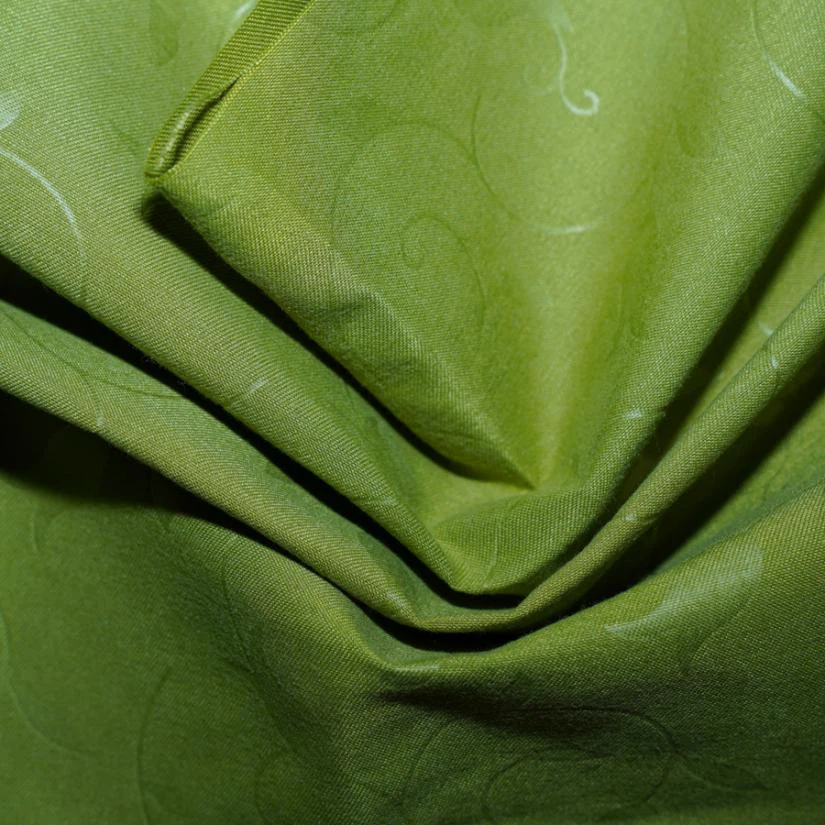
Bleaching is a common process in the textile industry, used to whiten fabrics and remove natural colorants, stains, or impurities. As a bleached fabric supplier, I've witnessed firsthand how this process can significantly influence embroidery work. In this blog, I'll explore the various ways bleaching fabric affects embroidery, from the fabric's physical properties to the final appearance of the embroidered design.
Impact on Fabric Physical Properties
Strength and Durability
Bleaching agents, such as chlorine - based or oxygen - based bleaches, can have an impact on the strength of the fabric. Chlorine bleach, for example, is a powerful oxidizing agent that can break down the molecular structure of fibers. When the fibers are weakened, the fabric becomes more prone to tearing and fraying during the embroidery process. This is especially crucial when using heavy - duty embroidery techniques or thick threads, as the mechanical stress on the fabric is higher.
On the other hand, oxygen - based bleaches are generally milder and cause less damage to the fabric's strength. However, excessive bleaching with any type of bleach can still lead to a reduction in the fabric's durability over time. For embroidery, this means that the finished piece may not hold up as well to regular use or washing, potentially leading to premature wear and tear.


Texture and Handfeel
The bleaching process can also alter the texture of the fabric. Bleaching can remove natural oils and waxes from the fibers, making the fabric feel stiffer and less soft. This change in texture can affect the way the embroidery thread glides through the fabric. A stiffer fabric may cause more friction, which can lead to uneven stitching or breakage of the thread.
Moreover, the handfeel of the fabric is an important factor in the overall aesthetic and comfort of the embroidered item. If the fabric becomes too rough or scratchy due to bleaching, it may not be suitable for items that come into direct contact with the skin, such as embroidered clothing or linens.
Absorbency
Bleaching can change the absorbency of the fabric. In some cases, bleaching can increase the fabric's absorbency by opening up the fiber structure. This can be beneficial for embroidery as it allows the thread to better adhere to the fabric and can result in more vibrant color saturation. However, if the fabric becomes too absorbent, it may cause the embroidery thread to bleed or spread, especially when using water - based dyes or inks.
Influence on Embroidery Design and Appearance
Color Fastness
One of the most significant effects of bleaching on embroidery is its impact on color fastness. Bleaching can weaken the fabric's ability to hold color, which means that the embroidery thread may fade more quickly over time. This is particularly true for bright or bold colors, which are more likely to be affected by the bleaching process.
When choosing embroidery thread for bleached fabrics, it's essential to select high - quality, color - fast threads. These threads are designed to resist fading and maintain their vibrancy even when exposed to harsh conditions, such as bleaching agents or sunlight.
Design Precision
The physical changes in the fabric due to bleaching can also affect the precision of the embroidery design. A fabric that has been weakened or distorted by bleaching may not hold its shape well during the embroidery process. This can lead to misaligned stitches, uneven spacing, or a distorted design.
To ensure the accuracy of the embroidery, it's important to use proper stabilizers and hooping techniques. Stabilizers can help support the fabric and prevent it from shifting or stretching during stitching, while proper hooping can keep the fabric taut and flat.
Contrast and Aesthetics
Bleaching can create a unique contrast between the bleached fabric and the embroidery thread. A white or light - colored bleached fabric can provide a clean and bright background for the embroidery, making the design stand out more. However, if the bleaching process is not uniform, it can result in an uneven background that may detract from the overall aesthetic of the embroidery.
Types of Bleached Fabrics and Their Suitability for Embroidery
Bleached Polyester Bedsheet Fabric
Polyester is a synthetic fiber that is known for its durability and resistance to wrinkles. Bleached Polyester Bedsheet Fabric is often used for bedding and other home decor items. When bleached, polyester fabric can maintain its strength and shape well, making it suitable for embroidery.
However, polyester has a relatively low absorbency, which means that the embroidery thread may not adhere as well to the fabric. To overcome this, it's important to use a suitable adhesive or stabilizer to ensure that the thread stays in place.
Polyester Sheet Fabric
Polyester Sheet Fabric is another popular choice for embroidery. It is lightweight and has a smooth surface, which can make it easy to stitch on. Bleached polyester sheet fabric can provide a bright and clean background for the embroidery, enhancing the overall appearance of the design.
Like other polyester fabrics, it may require special attention to ensure good color fastness and thread adhesion.
Polyester Bleached Fabric
Polyester Bleached Fabric comes in a variety of weights and textures, making it suitable for different types of embroidery projects. Whether you're creating a delicate floral design or a bold geometric pattern, polyester bleached fabric can offer a versatile base for your embroidery.
Tips for Working with Bleached Fabrics in Embroidery
Pre - testing
Before starting a large - scale embroidery project, it's always a good idea to pre - test the bleached fabric with a sample embroidery design. This will allow you to assess the fabric's suitability for the project and make any necessary adjustments to the embroidery settings or thread selection.
Thread Selection
As mentioned earlier, choosing the right embroidery thread is crucial when working with bleached fabrics. Opt for high - quality, color - fast threads that are specifically designed for use on bleached or sensitive fabrics.
Proper Care
To ensure the longevity of the embroidered item, it's important to follow proper care instructions. Avoid using harsh detergents or bleach when washing the embroidered fabric, as this can further damage the fabric and cause the embroidery to fade.
Conclusion
In conclusion, bleaching fabric can have both positive and negative effects on embroidery. While it can create a bright and clean background for the embroidery and enhance the contrast of the design, it can also weaken the fabric, affect color fastness, and change the texture. As a bleached fabric supplier, I understand the importance of providing high - quality fabrics that are suitable for embroidery.
If you're interested in purchasing bleached fabrics for your embroidery projects, I encourage you to reach out. I'm happy to discuss your specific needs and help you select the right fabric for your designs. Whether you're a professional embroiderer or a hobbyist, I'm confident that my bleached fabrics will meet your expectations and help you create beautiful and long - lasting embroidered items.
References
- Textile Chemistry and Coloration, Volume 1: Fundamentals, by W. F. Feist and S. M. Hudson
- The Embroidery Book: A Complete Guide to Stitches, Techniques, and Designs, by Claire Benn
- Handbook of Textile Fibre Structure, Volume 1: Natural Fibres, edited by R. H. Blackburn