


As a supplier of Embossed White Fabric, I understand the importance of handling this delicate material with care, especially when it comes to cutting without damaging the intricate patterns. In this blog post, I'll share some tips and techniques to help you achieve clean cuts while preserving the beauty of the embossed designs.
Understanding Embossed White Fabric
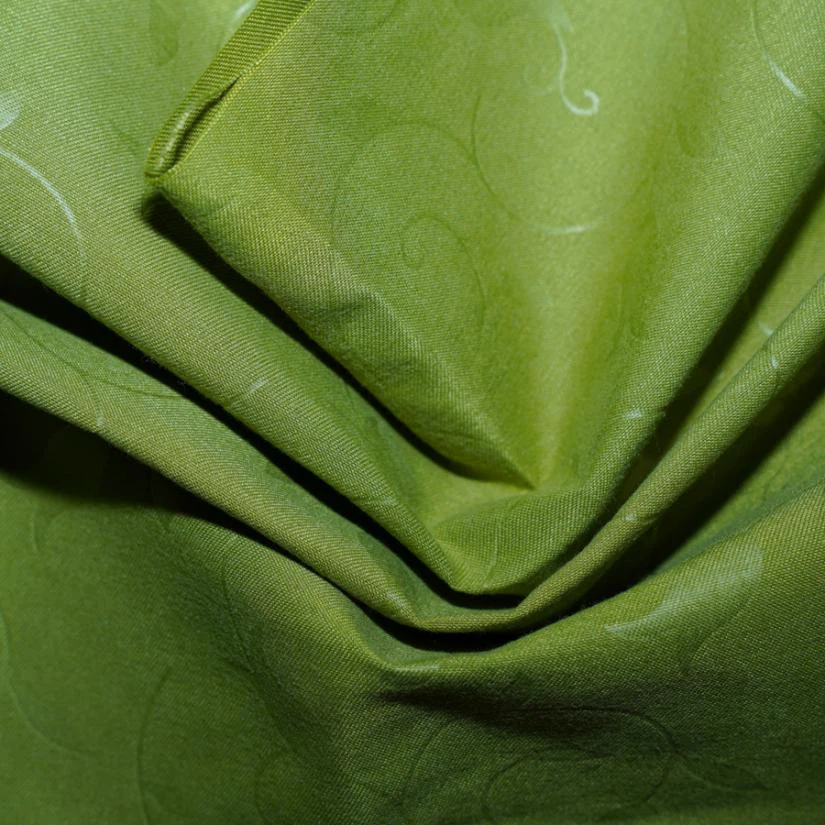
Embossed white fabric is a unique and eye - catching material that adds a touch of elegance to various projects. It can be made from different fibers, such as Embossed Polyester Fabric. Polyester is a popular choice for embossed fabrics due to its durability, resistance to wrinkling, and ability to hold the embossed pattern well. Our 100% Polyester Embossed Fabric is known for its consistent quality and beautiful patterns, making it suitable for a wide range of applications, from fashion design to home decor.
The embossed patterns on the fabric are created through a special process that presses a design onto the surface of the material. These patterns can range from simple geometric shapes to elaborate floral or paisley designs. The depth and detail of the embossing can vary, which means that the cutting process needs to be adjusted accordingly.
Tools You'll Need
Before you start cutting your embossed white fabric, it's essential to gather the right tools. Here are some items that I recommend:

- Sharp Scissors: Invest in a high - quality pair of sharp fabric scissors. Dull scissors can cause the fabric to fray and may also distort the embossed pattern. Make sure the scissors are specifically designed for cutting fabric.
- Rotary Cutter and Cutting Mat: A rotary cutter is another great option, especially for cutting large pieces of fabric. It provides a clean and precise cut. Pair it with a self - healing cutting mat to protect your work surface and ensure accurate cuts.
- Seam Ripper: In case you make a mistake, a seam ripper is a handy tool to have. It allows you to carefully remove stitches and correct any cutting errors without causing too much damage to the fabric.
- Pins and Needles: Use sharp pins to hold the fabric in place while cutting. For delicate embossed fabric, I recommend using fine - tipped pins to avoid leaving large holes in the material. If you're marking the cutting lines, use a fabric marker that is safe for the type of fabric you're working with.
Preparation Steps
- Wash and Press the Fabric: Before cutting, it's a good idea to wash and press the embossed white fabric. This helps to remove any dirt, chemicals, or sizing that may be on the fabric, and it also ensures that the fabric is in its natural state. When pressing, use a low - heat setting and place a pressing cloth between the iron and the fabric to avoid damaging the embossed pattern.
- Lay Out the Fabric: Find a large, flat surface to lay out the fabric. Make sure the surface is clean and free of any debris that could transfer onto the fabric. Smooth out the fabric carefully, removing any wrinkles or creases. If the fabric is wide, you may need to use weights or pins to hold it in place.
- Mark the Cutting Lines: Use a fabric marker or chalk to mark the cutting lines on the fabric. Follow your pattern or design precisely. Make sure the marks are light enough so that they can be easily removed later but dark enough to be visible.
Cutting Techniques
- Cutting Straight Lines: When cutting straight lines, use a ruler or a cutting guide to keep your scissors or rotary cutter on track. If you're using scissors, hold them at a slight angle to the fabric to prevent the blades from catching on the embossed pattern. For a rotary cutter, roll it smoothly along the cutting line, applying even pressure.
- Cutting Curves and Shapes: Cutting curves and shapes requires a bit more patience and precision. Take your time and make small, gradual cuts. If you're using a pattern, pin it securely to the fabric and cut along the edge of the pattern. For complex curves, you may want to make a series of short, straight cuts and then smooth out the edges.
- Avoiding Pattern Damage: To avoid damaging the embossed pattern, try to cut along the lines of the pattern rather than across it. If the pattern has raised areas, be extra careful not to snag or flatten them with your cutting tools. When cutting around a small design element in the pattern, lift the fabric slightly to prevent the scissors or cutter from catching on it.
Finishing Touches
After cutting the embossed white fabric, it's important to finish the edges to prevent fraying. There are several ways to do this:
- Hemming: You can fold the edge of the fabric over and sew it down to create a neat hem. Use a straight stitch or a zig - zag stitch, depending on the type of fabric and the desired look.
- Sealing with a Fabric Glue: For a quick and easy solution, you can use a fabric glue to seal the edges. Apply a thin layer of glue along the cut edge and let it dry completely.
- Using Bias Tape: Bias tape is a narrow strip of fabric that is cut on the bias (diagonal). You can wrap the bias tape around the cut edge of the fabric and sew it in place to give it a professional finish.
Troubleshooting
Even with the best preparations and techniques, you may encounter some issues when cutting embossed white fabric. Here are some common problems and solutions:
- Fraying: If the fabric is fraying more than expected, you may need to use a different finishing technique. Try a narrower hem or use a fabric fray - stop product.
- Pattern Distortion: If the embossed pattern has been distorted or flattened during cutting, you can try to steam the area gently to restore the shape. However, be very careful not to over - steam and cause other damage to the fabric.
- Cutting Errors: If you make a cutting error, don't panic. Use a seam ripper to carefully remove the excess fabric and correct the cut. You may need to apply a bit of extra care to the area where the correction was made to ensure that the pattern remains intact.
Conclusion
Cutting embossed white fabric without damaging the pattern requires a combination of the right tools, proper preparation, and careful cutting techniques. By following the tips and guidelines outlined in this blog post, you'll be able to achieve clean, precise cuts while preserving the beauty of the embossed designs.
If you're interested in purchasing high - quality Embossed White Fabric for your next project, I encourage you to reach out and start a conversation. We offer a wide range of embossed fabrics with unique patterns and excellent quality. Contact us to discuss your specific needs and requirements, and let's work together to bring your creative ideas to life.
References
- Textile design and manufacturing textbooks
- Online resources on fabric handling and cutting techniques
- Professional experience as an embossed fabric supplier


