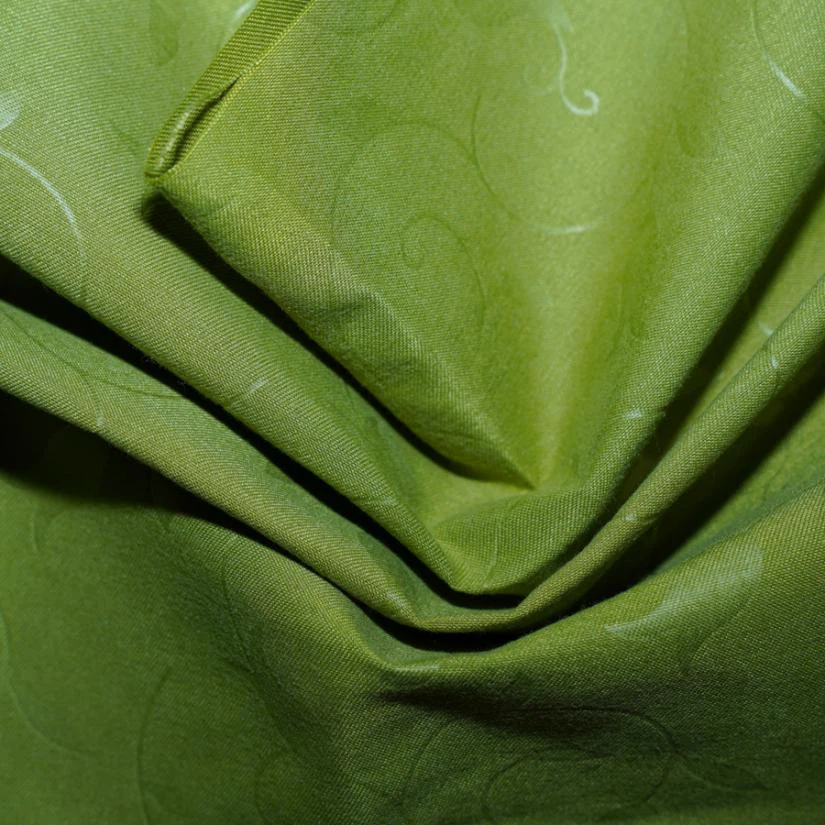
Jacquard fabric, renowned for its intricate patterns and versatility, has long been a staple in the textile industry. Its applications span from elegant apparel to luxurious home decor. As a jacquard fabric supplier, I often encounter inquiries about its suitability for bag making. In this blog post, I'll explore the feasibility of using jacquard fabric for bags, delving into its characteristics, advantages, potential challenges, and considerations.
Characteristics of Jacquard Fabric
Jacquard fabric is distinguished by its complex patterns woven directly into the fabric, rather than printed on the surface. This is achieved using a Jacquard loom, which allows for the creation of detailed and intricate designs with a high degree of precision. The patterns can range from simple geometric shapes to elaborate floral motifs, making jacquard fabric a visually appealing choice for various projects.
In terms of materials, jacquard fabric can be made from a variety of fibers, including cotton, silk, wool, and polyester. Each fiber imparts unique properties to the fabric, influencing its texture, durability, and care requirements. For instance, cotton jacquard fabric is breathable and comfortable, making it suitable for everyday use. Silk jacquard fabric, on the other hand, exudes luxury and elegance, with a smooth and lustrous finish. Wool jacquard fabric offers warmth and insulation, making it ideal for winter accessories.
Among these materials, polyester jacquard fabric has gained significant popularity in recent years. Our 100% Polyester Jacquard Fabric and Jacquard Polyester Fabric are prime examples. Polyester is known for its durability, wrinkle resistance, and easy maintenance. It is also relatively inexpensive compared to natural fibers, making it a cost - effective option for mass - production. Our Jacquard Polyester Bedsheet Fabric showcases the high - quality and beautiful patterns that can be achieved with polyester jacquard.
Advantages of Using Jacquard Fabric for Bags
Aesthetic Appeal
One of the most significant advantages of using jacquard fabric for bags is its aesthetic appeal. The intricate patterns add a touch of sophistication and uniqueness to the bags, setting them apart from ordinary designs. Whether it's a bold and modern pattern for a trendy handbag or a classic floral design for a more elegant tote, jacquard fabric can enhance the visual appeal of the bag and make it a fashion statement.
Durability
Depending on the fiber used, jacquard fabric can be quite durable. Polyester jacquard fabric, for example, is resistant to wear and tear, making it suitable for bags that will be used frequently. It can withstand the rigors of daily use, such as being tossed around in a car or carried on a busy commute. This durability ensures that the bags made from jacquard fabric will last for a long time, providing good value for money.
Versatility
Jacquard fabric comes in a wide range of colors, patterns, and textures, offering endless possibilities for bag design. It can be used to create different styles of bags, from small clutch purses to large backpacks. Designers can mix and match different jacquard fabrics or combine them with other materials, such as leather or suede, to create unique and eye - catching bag designs.
Branding and Customization
The ability to create custom patterns on jacquard fabric makes it an excellent choice for branding. Companies can have their logos, slogans, or unique designs woven directly into the fabric, creating a distinctive look for their brand's bags. This not only helps with brand recognition but also adds a personalized touch to the products.
Potential Challenges and Considerations
Cost
While polyester jacquard fabric can be cost - effective, some high - end jacquard fabrics made from natural fibers like silk or wool can be quite expensive. This can increase the overall cost of bag production, which may need to be factored into the pricing strategy. Additionally, the cost of creating custom patterns on jacquard fabric can also be a consideration, especially for small - scale production.
Weight
Depending on the fiber and the thickness of the jacquard fabric, it can be relatively heavy. This may not be ideal for bags that need to be lightweight, such as small evening purses or children's backpacks. Designers need to carefully consider the weight of the fabric when choosing it for bag making to ensure that the final product is comfortable to carry.
Sewing Difficulties
The complex patterns and tight weaves of jacquard fabric can sometimes make it challenging to sew. The fabric may be prone to fraying, and the patterns need to be carefully aligned during the sewing process to ensure a seamless finish. Skilled seamstresses or advanced sewing techniques may be required to work with jacquard fabric effectively.
Design Considerations for Jacquard Fabric Bags
Pattern Placement
When using jacquard fabric for bags, pattern placement is crucial. The designer needs to decide how the pattern will be oriented on the bag to create the most visually appealing effect. For example, a large, bold pattern may work best as a central feature on a tote bag, while a smaller, more delicate pattern may be suitable for a clutch purse.
Complementary Materials
As mentioned earlier, jacquard fabric can be combined with other materials to enhance the bag's design. Leather accents, for example, can add a touch of luxury and durability to a jacquard fabric bag. Metal hardware, such as zippers and buckles, can also complement the fabric and add a modern or vintage look, depending on the style of the bag.


Lining
Choosing the right lining for a jacquard fabric bag is important. The lining should be durable, smooth, and complement the color and style of the outer fabric. It also helps to protect the contents of the bag and adds an extra layer of sophistication.
Conclusion
In conclusion, jacquard fabric can indeed be used for making bags, offering a range of benefits including aesthetic appeal, durability, versatility, and customization options. While there are some potential challenges, such as cost, weight, and sewing difficulties, these can be overcome with careful planning and design. As a jacquard fabric supplier, I am confident in the quality and suitability of our fabrics for bag making.
If you are interested in using jacquard fabric for your bag - making projects, I encourage you to reach out to discuss your specific requirements. Whether you need a standard pattern or a custom - designed fabric, we can work with you to find the perfect solution. Let's start a conversation and explore the possibilities of creating unique and beautiful bags with jacquard fabric.
References
- Textile Institute. (2023). Handbook of Textile Fibres. Woodhead Publishing.
- Burns, L. D., & Bryant, P. S. (2022). Fundamentals of Fashion. Fairchild Books.