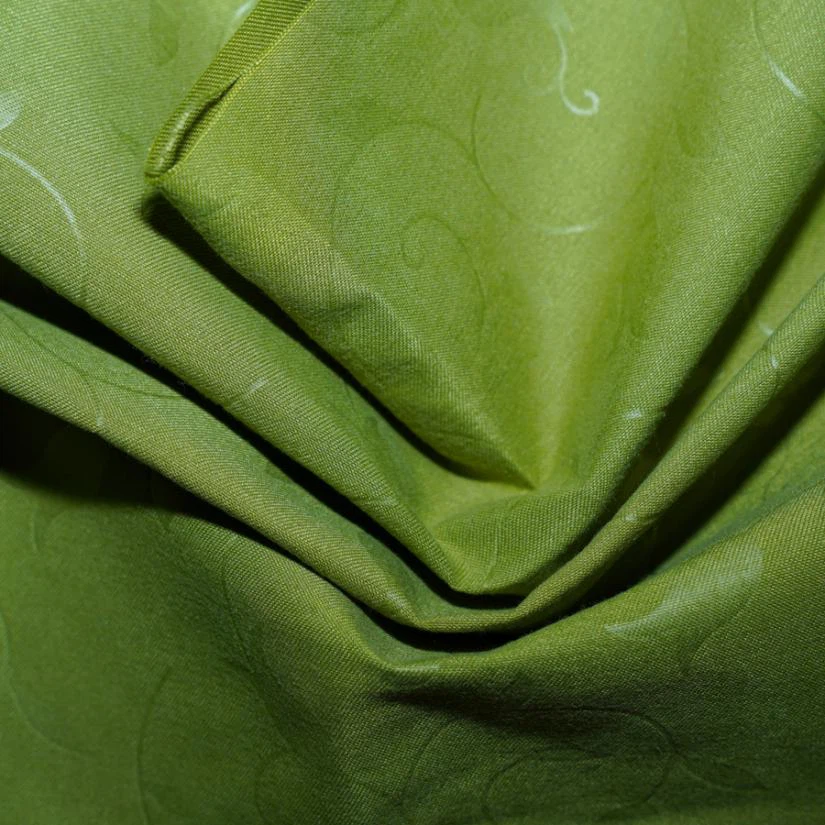
In the dynamic world of textiles, digital printed fabric has emerged as a revolutionary force, offering a plethora of vibrant colors and intricate designs. As a digital printed fabric supplier, I often encounter a common concern from customers: Will the colors of digital printed fabric fade easily? This question is crucial as colorfastness directly impacts the longevity and aesthetic appeal of the fabric. In this blog, I will delve into the factors that influence color fading in digital printed fabric and provide insights on how to ensure long - lasting colors.
Understanding Digital Printing Technology
Digital printing on fabric is a modern technique that uses inkjet printers to apply dyes or pigments directly onto the fabric surface. Unlike traditional printing methods, digital printing allows for high - resolution images, unlimited color options, and quick turnaround times. There are two main types of inks used in digital fabric printing: reactive inks and pigment inks.
Reactive inks are commonly used for natural fibers such as cotton, silk, and linen. These inks chemically bond with the fiber molecules, creating a strong and durable color. Pigment inks, on the other hand, are suitable for both natural and synthetic fibers. They form a thin film on the fabric surface, which is then fixed using heat or other methods.
Factors Affecting Color Fading
1. Ink Quality
The quality of the ink used in digital printing plays a significant role in colorfastness. High - quality inks are formulated to resist fading caused by exposure to light, water, and chemicals. For instance, some inks are designed with special UV - resistant properties, which can prevent color degradation when the fabric is exposed to sunlight. As a supplier, I always ensure that we use top - grade inks from reputable manufacturers to guarantee the best color performance of our Digital Printed Polyester Bedsheet Fabric.
2. Fabric Type
Different fabric types have varying levels of color retention. Natural fibers like cotton can absorb and hold dyes well, but they may be more prone to fading over time, especially when exposed to harsh washing conditions. Synthetic fibers such as polyester, on the other hand, generally have better colorfastness. Polyester fibers are less porous than natural fibers, which means that the dyes are less likely to leach out. Our Polyester Digital Printed Fabric is known for its excellent color retention, making it a popular choice for various applications.
3. Printing Process
The digital printing process itself can affect color fading. Proper pre - treatment and post - treatment of the fabric are essential for ensuring good colorfastness. Pre - treatment involves preparing the fabric surface to improve ink absorption and adhesion. Post - treatment, such as heat - setting or washing, helps to fix the dyes and remove any excess ink. If these steps are not carried out correctly, the colors may fade more easily.
4. Environmental Factors
Exposure to sunlight, humidity, and chemicals can all cause color fading in digital printed fabric. Sunlight contains ultraviolet (UV) rays, which can break down the chemical bonds in the dyes, leading to color loss. High humidity can also accelerate the fading process, especially if the fabric is not properly dried. Chemicals such as detergents, bleach, and softeners can also affect colorfastness. Harsh detergents and bleach can strip the dyes from the fabric, while some softeners may contain substances that react with the dyes.
How to Prevent Color Fading
1. Choose the Right Fabric and Ink
When selecting digital printed fabric, it is important to consider the intended use and the environmental conditions it will be exposed to. For outdoor applications, choose fabrics with high UV - resistant properties and use inks that are specifically formulated for outdoor use. For indoor applications, such as bedding, you can opt for fabrics with good colorfastness to washing. Our Digital Printed Fabric for Bedding is designed to withstand regular washing without significant color fading.
2. Follow Proper Care Instructions
Proper care is crucial for maintaining the color of digital printed fabric. Always follow the care instructions provided by the manufacturer. Use mild detergents and avoid using bleach or harsh chemicals. Wash the fabric in cold or lukewarm water and avoid over - agitation. When drying, tumble dry on low heat or air dry to prevent excessive shrinkage and color fading.


3. Protect from Sunlight
If the fabric will be exposed to sunlight, use curtains, blinds, or other window coverings to reduce UV exposure. You can also apply a UV - protective spray to the fabric, although this may not be suitable for all types of fabric.
Our Commitment as a Supplier
As a digital printed fabric supplier, we are committed to providing our customers with high - quality products that have excellent colorfastness. We invest in the latest printing technology and use only the best inks and fabrics. Our quality control team conducts rigorous testing to ensure that our products meet the highest standards of colorfastness.
We understand that color fading can be a concern for our customers, especially when it comes to long - term use. That's why we offer a wide range of products with different levels of colorfastness to meet the diverse needs of our customers. Whether you need fabric for a short - term project or a long - lasting application, we have the right solution for you.
Conclusion
In conclusion, the colors of digital printed fabric do not necessarily fade easily if the right inks, fabrics, and printing processes are used, and proper care is taken. By understanding the factors that affect color fading and following the preventive measures, you can enjoy vibrant and long - lasting colors in your digital printed fabric.
If you are interested in our digital printed fabric products, we invite you to contact us for more information and to discuss your specific requirements. We are here to help you find the perfect fabric for your project.
References
- Textile Institute. "Colorfastness in Textiles: A Comprehensive Guide."
- American Association of Textile Chemists and Colorists (AATCC). "Standards for Colorfastness Testing."
- International Organization for Standardization (ISO). "ISO Standards for Textile Colorfastness."