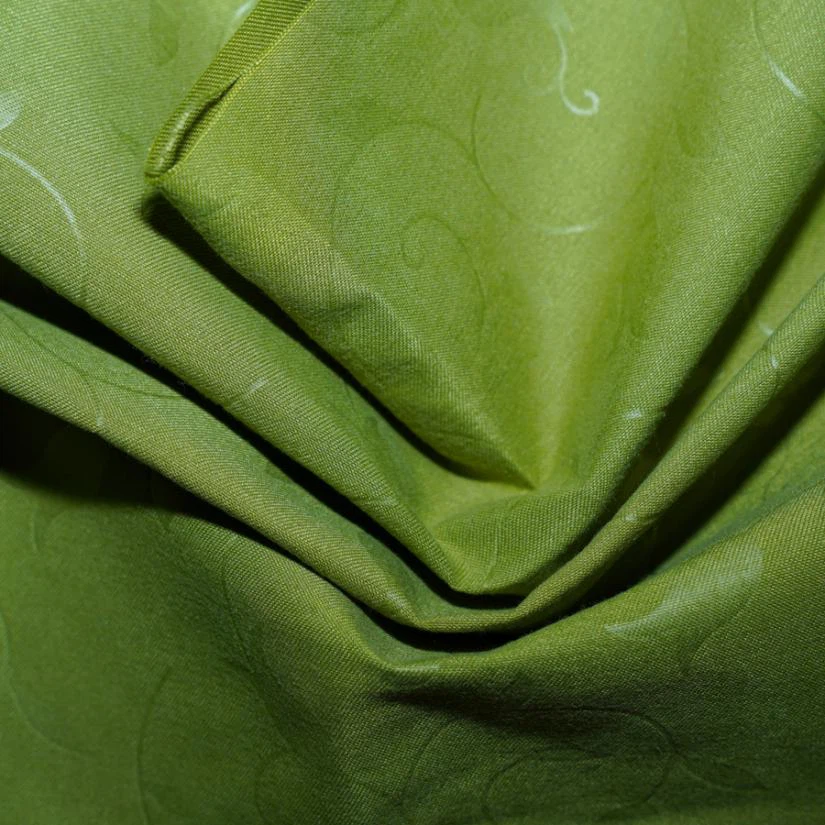
Hey there! As a dyed fabric supplier, I've been in the business long enough to know which fabrics take to dye like a duck to water and which ones are a bit more finicky. Today, I'm gonna share with you the types of fabric that are suitable for dyeing, so you can make the best choices for your projects.
Natural Fabrics
Cotton
Cotton is hands - down one of the most popular fabrics for dyeing. It's made from natural fibers, which have a high affinity for dyes. This means that it can absorb color really well, resulting in rich, long - lasting hues. Whether you're using natural dyes or synthetic ones, cotton will give you great results.
Cotton comes in various weaves and weights, from lightweight voile to heavy - duty denim. All of these can be dyed successfully. For example, if you're into making summer dresses, a lightweight cotton poplin can be dyed in bright, cheerful colors. And if you're working on a denim project, like custom - dyed jeans, cotton denim will hold the dye beautifully.
One of the reasons cotton is so great for dyeing is its porosity. The fibers have tiny spaces between them where the dye molecules can get trapped. This makes the color more resistant to fading, even after multiple washes.


Linen
Linen is another natural fabric that's a good candidate for dyeing. It's made from the flax plant, and it has a unique texture that gives dyed pieces a rustic, earthy look. Linen is also very absorbent, so it can take on a wide range of colors.
However, linen can be a bit more challenging to dye evenly compared to cotton. Its fibers are coarser and have a more irregular structure. But with the right dyeing techniques, like pre - soaking the fabric and using a gentle agitation method, you can achieve beautiful, consistent results. Linen is perfect for making dyed tablecloths, napkins, or summer shirts. The natural breathability of linen combined with the vibrant dye colors makes for some really stylish and practical pieces.
Silk
Silk is a luxurious fabric that can be dyed to create stunning, high - end products. It has a smooth, lustrous surface that allows the dye to adhere well and show off the colors in all their glory. Silk can be dyed in a wide variety of shades, from soft pastels to deep, intense colors.
When dyeing silk, it's important to use dyes specifically formulated for protein - based fibers, as silk is made up of protein molecules. Acid dyes are commonly used for silk dyeing because they bond well with the silk fibers. Silk can be dyed to make beautiful scarves, evening gowns, or decorative pillowcases. The way the light reflects off the dyed silk gives it an almost magical quality.
But silk is also a delicate fabric, so you need to be careful during the dyeing process. Avoid using harsh chemicals or high - temperature dyes, as these can damage the silk fibers and affect the color quality.
Synthetic Fabrics
Polyester
Polyester is a synthetic fabric that has become increasingly popular for dyeing. There are different types of polyester fabrics that are suitable for various dyeing applications.
- Dyed Polyester Bedsheet Fabric: This type of fabric is specifically designed for bedding. It can be dyed in a wide range of colors to match different bedroom decors. Polyester is known for its durability and wrinkle - resistance, making dyed polyester bedsheet fabric a practical choice. You can check out some great options Dyed Polyester Bedsheet Fabric.
- Dyed Polyester Fabric for Bedding: Similar to the bedsheet fabric, this fabric is also intended for bedding items. It can be used to make pillowcases, duvets, and other bedding accessories. The dyeing process for polyester fabric for bedding ensures that the colors stay vibrant and don't fade easily, even with regular use. You can find more details about it Dyed Polyester Fabric for Bedding.
- Solution Dyed Polyester Fabric: Solution - dyed polyester is a special type of dyed fabric. In this process, the dye is added to the polyester polymer before it's extruded into fibers. This means that the color is incorporated throughout the entire fiber, resulting in a fabric that is extremely color - fast. Solution - dyed polyester fabric is great for outdoor applications, like patio furniture covers or outdoor clothing, as it can withstand exposure to sunlight and the elements without fading. You can learn more about it Solution Dyed Polyester Fabric.
One of the challenges with dyeing polyester is that it's not as absorbent as natural fabrics. You need to use disperse dyes, which are specifically designed for synthetic fibers. These dyes work by diffusing into the polyester fibers at high temperatures. With the right equipment and dyeing process, you can achieve bright, long - lasting colors on polyester fabric.
Nylon
Nylon is another synthetic fabric that can be dyed effectively. It's strong, durable, and has a smooth surface that can hold dye well. Nylon is commonly used in making dyed sportswear, swimwear, and backpacks.
When dyeing nylon, acid dyes are often used. The dyeing process is similar to that of silk, as both are protein - like in nature (nylon has a structure that can interact with acid dyes). Nylon can be dyed in a variety of colors, and it has good colorfastness. However, like polyester, it may require some special techniques to ensure even dyeing, especially for thicker nylon fabrics.
Blended Fabrics
Blended fabrics, which are made by combining two or more different types of fibers, can also be suitable for dyeing.
Cotton - Polyester Blend
A cotton - polyester blend is a popular choice for dyeing. It combines the best of both worlds: the absorbency and dye - holding properties of cotton with the durability and wrinkle - resistance of polyester. This blend can be dyed to create a wide range of products, from casual t - shirts to work uniforms.
The cotton in the blend helps the fabric absorb the dye, while the polyester gives the dyed piece more shape retention and reduces shrinking. However, dyeing a cotton - polyester blend can be a bit tricky because the two fibers have different dyeing characteristics. You may need to use a combination of dyes or a special blend - specific dye to achieve the best results.
Silk - Cotton Blend
A silk - cotton blend is another interesting option for dyeing. It combines the luxury of silk with the practicality of cotton. The silk gives the fabric a soft, lustrous sheen, while the cotton adds strength and durability.
When dyeing a silk - cotton blend, you need to consider the different dyeing requirements of each fiber. You may need to use a dye that can work on both silk and cotton or use a two - step dyeing process. This blend is perfect for making dyed scarves, dresses, or home decor items like curtains.
So, there you have it! These are some of the types of fabrics that are suitable for dyeing. Whether you're a DIY enthusiast looking to create your own custom - dyed projects or a business owner in need of bulk dyed fabric, there's a fabric out there that's right for you.
If you're interested in purchasing high - quality dyed fabric for your projects, we're here to help. We offer a wide range of dyed fabrics in different types, colors, and patterns. Whether you need dyed polyester bedsheet fabric, dyed silk scarves, or custom - dyed cotton T - shirts, we've got you covered. Contact us to start a conversation about your fabric needs and let's work together to bring your ideas to life.
References
- "Textile Science and Engineering" by John J. McCann
- "The Complete Photo Guide to Dyeing Fabric" by Laura Wasilowski
- "Handbook of Fiber Science and Technology" edited by Mark Lewin and Eli M. Pearce