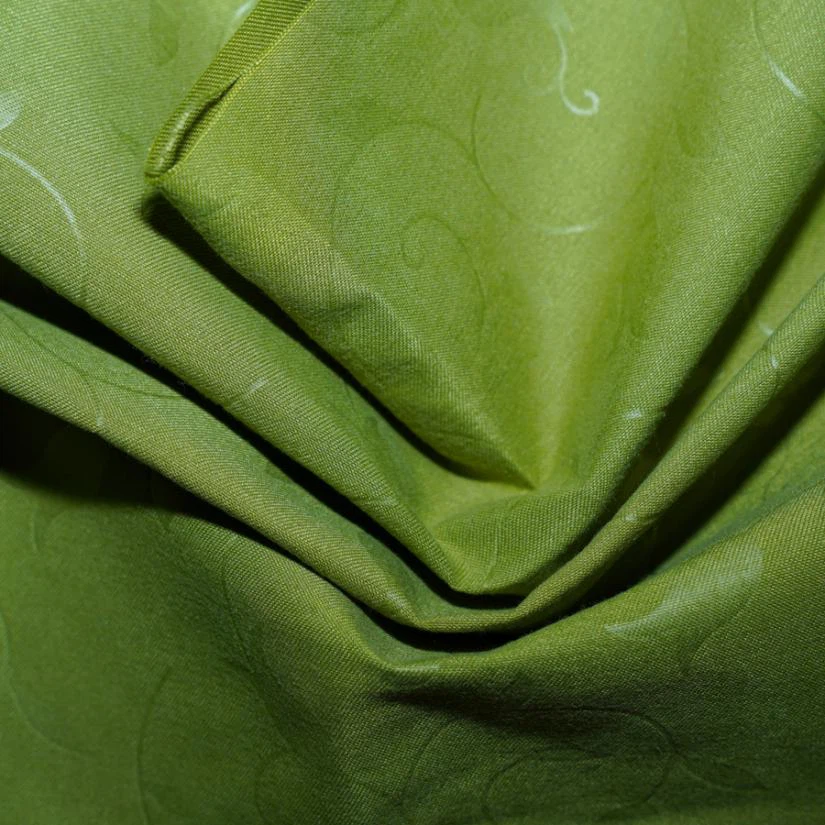
As a supplier of digital printed fabric, I often receive inquiries from customers about the proper ironing temperature for our products. This is a crucial question because incorrect ironing temperatures can damage the fabric, fade the print, or even cause permanent deformation. In this blog post, I'll share some insights on what temperature should be used to iron digital printed fabric, taking into account different fabric compositions and printing techniques.
Understanding Digital Printed Fabric
Digital printed fabric is created using advanced digital printing technology, which allows for high - resolution, detailed, and vibrant prints on various types of fabrics. The fabric can be made from different materials such as cotton, polyester, silk, or blends of these fibers. Each fabric type has its own unique characteristics and heat tolerance, which directly affects the appropriate ironing temperature.
Ironing Temperature for Different Fabric Compositions
1. Cotton Digital Printed Fabric
Cotton is a popular choice for digital printing due to its breathability, softness, and ability to hold color well. Pure cotton fabric can generally withstand relatively high temperatures. When ironing cotton digital printed fabric, it is recommended to set the iron to a medium - high temperature, usually around 180 - 200°C (356 - 392°F). At this temperature, the fabric can be effectively smoothed out without causing damage to the print. However, it's important to avoid direct contact between the iron and the printed area for an extended period. You can place a thin cotton cloth over the print as a buffer to protect it.
If you are unsure about the exact heat tolerance of the cotton fabric, it's advisable to test a small, inconspicuous area first. This way, you can observe how the fabric and print react to the heat before proceeding with the entire piece.
2. Polyester Digital Printed Fabric
Polyester is another common material for digital printing. It is known for its durability, wrinkle - resistance, and quick - drying properties. The heat tolerance of polyester is significantly lower than that of cotton. For 100% Polyester Digital Printed Fabric, the recommended ironing temperature is relatively low, typically between 110 - 130°C (230 - 266°F). Exceeding this temperature range can cause the polyester fibers to melt or distort, leading to a ruined fabric and print.
When ironing polyester digital printed fabric, it's best to use a steam function if available. The steam can help relax the fibers and smooth out wrinkles without relying solely on high heat. Also, make sure to move the iron continuously to prevent overheating in one spot.
3. Silk Digital Printed Fabric
Silk is a luxurious and delicate fabric that requires special care when ironing. Digital printed silk fabric is no exception. Silk has a low heat tolerance, and high temperatures can easily scorch and damage the fabric. The ideal ironing temperature for silk digital printed fabric is around 100 - 120°C (212 - 248°F). It is essential to use a very gentle touch and avoid applying too much pressure. You can also use a pressing cloth to protect the silk and the print.
If possible, iron the silk fabric on the reverse side to minimize direct contact with the print. This can help prevent any potential damage to the digital print while still achieving a smooth finish.
4. Cotton - Polyester Blend Digital Printed Fabric
Cotton - polyester blends are widely used in digital printing as they combine the best properties of both fibers. The appropriate ironing temperature for cotton - polyester blend digital printed fabric depends on the ratio of cotton to polyester. Generally, a medium temperature setting of around 150 - 170°C (302 - 338°F) is suitable. However, if the blend has a higher proportion of polyester, it's better to lean towards the lower end of this temperature range.


Factors Affecting Ironing Temperature
Apart from fabric composition, there are several other factors that can affect the appropriate ironing temperature for digital printed fabric.
1. Printing Technique
The digital printing technique used on the fabric can influence its heat sensitivity. Some printing methods use inks that are more heat - resistant than others. For example, sublimation printing, which involves transferring the ink onto the fabric using heat, may result in a print that is more tolerant of higher temperatures compared to direct - to - fabric printing. It's important to consult with the fabric manufacturer or supplier to understand the specific printing technique used and its impact on ironing temperature.
2. Print Density
The density of the print on the fabric also matters. A fabric with a high - density print may have a different heat tolerance compared to one with a lighter print. Heavily printed areas may require more careful ironing to avoid color bleeding or damage to the print. In such cases, it's advisable to use a lower temperature and a pressing cloth to protect the print.
3. Age of the Fabric
Older digital printed fabric may have different heat properties compared to new fabric. Over time, the fabric and the print may degrade, making them more sensitive to heat. If you are ironing an older piece of digital printed fabric, it's a good idea to start with a lower temperature and gradually increase it if necessary.
Tips for Ironing Digital Printed Fabric
- Use a Steam Iron: Steam can help relax the fabric fibers and make it easier to smooth out wrinkles. It also reduces the need for high heat, which is beneficial for protecting the print.
- Test First: Always test a small, hidden area of the fabric before ironing the entire piece. This can help you determine the appropriate temperature and prevent any potential damage.
- Protect the Print: Place a thin cotton or muslin cloth over the printed area to act as a buffer between the iron and the print. This can prevent direct contact and reduce the risk of damage.
- Move the Iron Continuously: Avoid leaving the iron in one place for too long. Continuous movement helps distribute the heat evenly and prevents overheating in one area.
Conclusion
Choosing the right ironing temperature for digital printed fabric is essential to maintain the quality of the fabric and the print. By considering the fabric composition, printing technique, print density, and other factors, you can ensure that your digital printed fabric looks its best after ironing. Whether you are using Digital Printed Fabric for Bedding or Digital Printed Polyester Bedsheet Fabric, following the guidelines mentioned above will help you keep your fabric in top condition.
If you have any further questions about our digital printed fabric or need more detailed advice on ironing, please feel free to reach out. We are always here to assist you with your fabric needs and ensure that you have a positive experience with our products. Contact us to start a procurement discussion and explore our wide range of digital printed fabric options.
References
- Textile Institute. "Textile Fibre Properties." The Textile Institute, 2020.
- ASTM International. "Standard Test Methods for Determining the Flammability of Textiles." ASTM International, 2021.