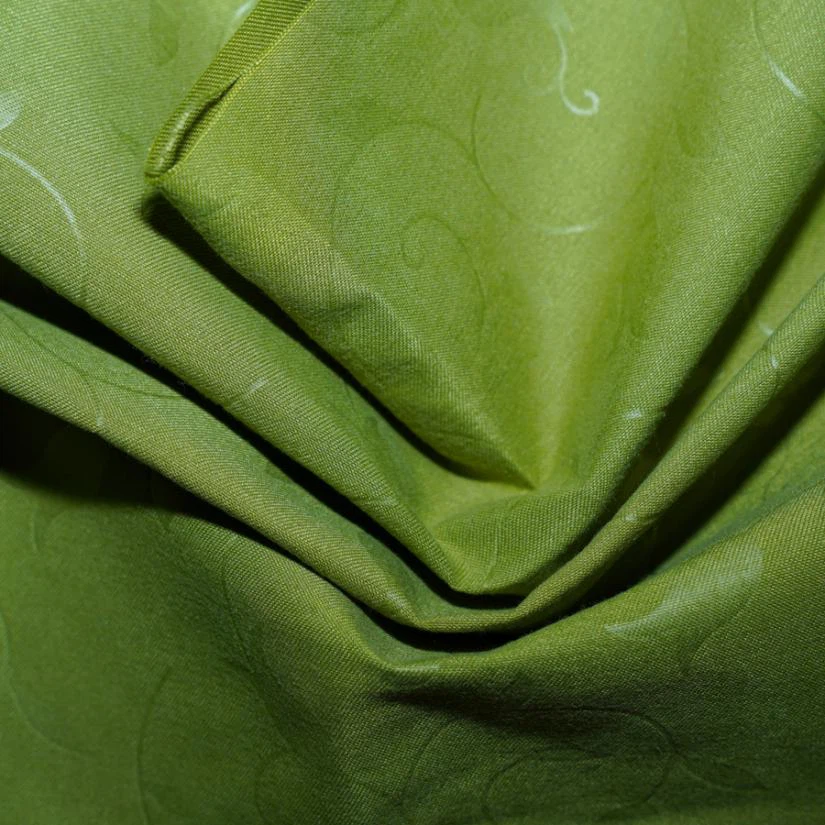
Micro Print Fabric, a highly specialized and versatile textile product, has gained significant popularity in various industries due to its unique aesthetic and functional properties. As a dedicated supplier of Micro Print Fabric, I am well - versed in the materials used in its production. In this blog, I will delve into the different materials that are commonly employed to make this remarkable fabric.

Natural Fibers
Natural fibers have been used in textile production for centuries, and they also play a crucial role in the creation of Micro Print Fabric.
Cotton
Cotton is one of the most widely used natural fibers in the textile industry. It is derived from the cotton plant and is known for its softness, breathability, and absorbency. When used to make Micro Print Fabric, cotton provides a comfortable base for printing. The fabric can be easily dyed and printed with high - resolution micro - prints because of its porous nature, which allows the ink to penetrate evenly. Cotton Micro Print Fabric is commonly used in the production of clothing, especially for summer wear and casual apparel. It is also popular in home textiles such as bedding and curtains. For those interested in exploring cotton - based Micro Print Fabric, they can check out our [Micro Print Fabric]( /print - fabric/disperse - printed - fabric/micro - print - fabric.html) collection.
Silk
Silk is a luxurious natural fiber produced by silkworms. It has a smooth, lustrous surface and excellent drape, making it a premium choice for high - end Micro Print Fabric. The fine texture of silk allows for extremely detailed and sharp micro - prints. Silk Micro Print Fabric is often used in the fashion industry for making elegant dresses, scarves, and ties. The natural sheen of silk enhances the visual appeal of the micro - prints, giving them a more vibrant and luxurious look. Although silk is more expensive than other natural fibers, its unique properties make it a favorite among designers and consumers who are willing to pay for quality.
Linen
Linen is made from the fibers of the flax plant. It is known for its strength, durability, and breathability. Linen Micro Print Fabric has a slightly rough texture, which gives it a rustic and natural look. The fabric is highly absorbent and dries quickly, making it suitable for summer clothing. Linen's ability to resist bacteria also makes it a hygienic choice. Micro - prints on linen fabric can add a modern touch to its traditional aesthetic, making it suitable for both casual and semi - formal wear.

Synthetic Fibers
Synthetic fibers have revolutionized the textile industry with their various advantages, and they are also commonly used in the production of Micro Print Fabric.
Polyester
Polyester is a synthetic fiber that is known for its strength, durability, and wrinkle - resistance. It is easy to care for and retains its shape well. Polyester Micro Print Fabric is often used in sportswear, outdoor clothing, and work uniforms. The fabric can be printed with detailed micro - patterns using disperse dyes, which are well - suited for synthetic fibers. Polyester's ability to hold color well ensures that the micro - prints remain vibrant and sharp even after multiple washes. Our [Printed Woven Fabric]( /print - fabric/disperse - printed - fabric/printed - woven - fabric.html) collection includes a range of polyester - based options with high - quality micro - prints.
Nylon
Nylon is another popular synthetic fiber. It is strong, lightweight, and has excellent abrasion resistance. Nylon Micro Print Fabric is commonly used in the production of outdoor gear such as backpacks, tents, and raincoats. The fabric can be printed with micro - patterns that not only add aesthetic value but also serve functional purposes, such as camouflage. Nylon's water - repellent properties make it suitable for waterproof applications, and our [Printed Waterproof Fabric]( /print - fabric/disperse - printed - fabric/printed - waterproof - fabric.html) often utilizes nylon as a base material.

Acrylic
Acrylic is a synthetic fiber that mimics the look and feel of wool. It is lightweight, soft, and has good insulation properties. Acrylic Micro Print Fabric is often used in the production of sweaters, scarves, and hats. The fabric can be printed with detailed micro - patterns to create unique and fashionable designs. Acrylic is also resistant to moths and mildew, making it a practical choice for long - term use.
Blended Fibers
Blended fibers combine the advantages of different natural and synthetic fibers, and they are increasingly being used in the production of Micro Print Fabric.
Cotton - Polyester Blend
A cotton - polyester blend combines the comfort and breathability of cotton with the strength and wrinkle - resistance of polyester. This type of blend is commonly used in everyday clothing such as shirts, pants, and dresses. The cotton in the blend allows for good printability, while the polyester enhances the fabric's durability and shape retention. Micro - prints on cotton - polyester blend fabric can be both detailed and long - lasting.

Silk - Polyester Blend
A silk - polyester blend combines the luxury of silk with the practicality of polyester. The silk provides a smooth surface for high - quality micro - prints, while the polyester adds strength and reduces the cost. This blend is often used in the production of fashion garments where a balance between quality and affordability is desired.
Specialized Materials
In addition to the above - mentioned fibers, some Micro Print Fabrics may incorporate specialized materials to achieve specific functions.
Conductive Fibers
Conductive fibers can be added to Micro Print Fabric to create smart textiles. These fabrics can be used in applications such as wearable technology, where they can conduct electricity and interact with electronic devices. Micro - prints on conductive fabric can be used for decorative purposes or as part of the device's interface.
Flame - Retardant Fibers
Flame - retardant fibers are used in Micro Print Fabric for applications where fire safety is a concern. This type of fabric is commonly used in the production of work uniforms for firefighters, electricians, and other professionals who work in high - risk environments. Micro - prints on flame - retardant fabric can help with identification and branding.
The Printing Process and Material Compatibility
The choice of material for Micro Print Fabric is also influenced by the printing process. Disperse printing is a common method used for printing on synthetic and blended fabrics. Disperse dyes are suitable for polyester, nylon, and some blends because they can penetrate the fibers and provide long - lasting color. Reactive printing, on the other hand, is often used for natural fibers such as cotton and silk. Reactive dyes form a chemical bond with the fibers, resulting in vibrant and wash - fast prints.
As a supplier of Micro Print Fabric, we understand the importance of material selection and the printing process. We offer a wide range of Micro Print Fabrics made from different materials to meet the diverse needs of our customers. Whether you are a fashion designer looking for a luxurious silk - based fabric or a manufacturer of outdoor gear in need of a durable polyester - nylon blend, we have the right product for you.
If you are interested in purchasing our Micro Print Fabric or have any questions about the materials and products we offer, please feel free to contact us. We are more than happy to discuss your requirements and provide you with samples and detailed product information. Our team of experts is dedicated to helping you find the perfect fabric for your project.
References
- Textile Chemistry and Technology, Volume 1: Fibrous Raw Materials and Their Physical - Chemical Properties by H. - K. Rouette
- The Handbook of Textile and Apparel Manufacture by David J. Trott
- Synthetic Fibers: Nylon, Polyester, Acrylic, Olefin by David J. Vaughn