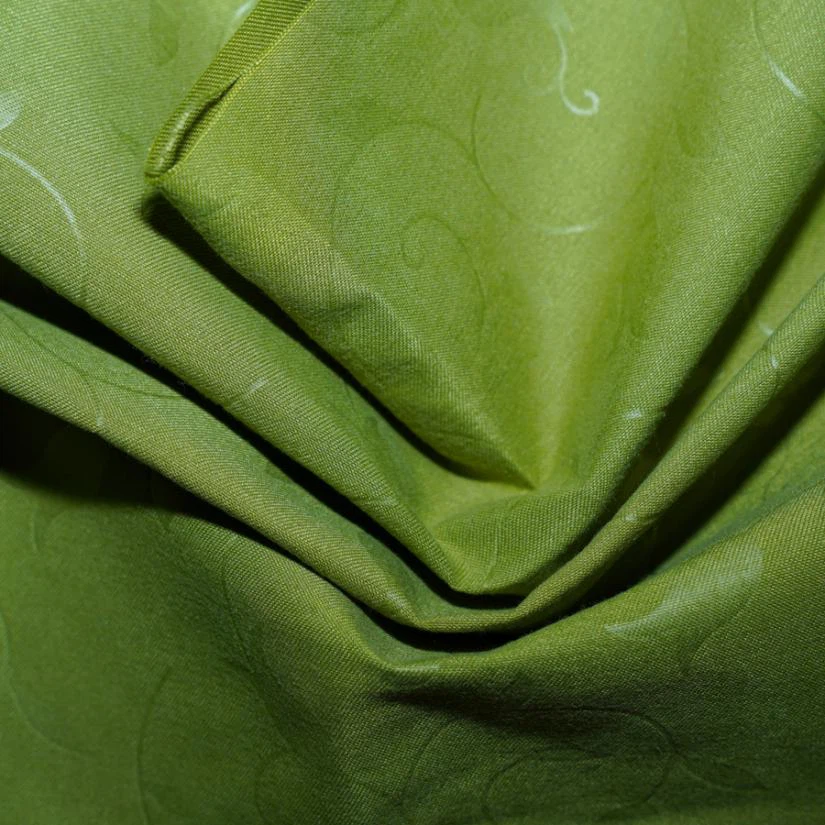
Polyester seersucker is a fascinating fabric that has gained significant popularity in various industries, from fashion to home decor. As a dedicated supplier of polyester seersucker, I've had the privilege of closely examining and understanding its unique texture. In this blog, I'll delve into what the texture of polyester seersucker is like, exploring its characteristics, advantages, and how it compares to other fabrics.
The Physical Appearance of Polyester Seersucker Texture
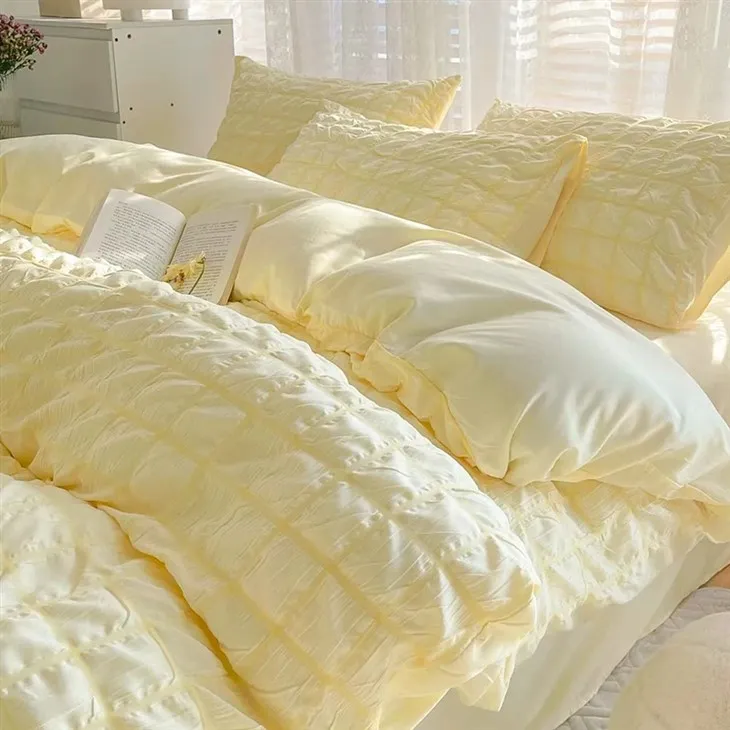
One of the most distinctive features of polyester seersucker is its puckered or ribbed texture. This texture is created during the manufacturing process, where alternating rows of fabric are held in a gathered or puckered state. When you run your fingers over the fabric, you can clearly feel these raised and depressed areas, which give the fabric a three - dimensional look and feel.
The puckers in polyester seersucker are typically evenly spaced, creating a regular pattern across the fabric. The width of the puckers can vary depending on the manufacturing specifications. Some polyester seersucker fabrics have narrow, closely - spaced puckers, while others may have wider, more pronounced ones. This variation in pucker width allows for different aesthetic effects, making it suitable for a wide range of applications.
In terms of smoothness, the surface of the fabric between the puckers is generally quite smooth. Polyester, as a synthetic fiber, has a natural sheen that adds to the overall smooth appearance of the seersucker. However, the presence of the puckers gives it a more textured and interesting look compared to a flat, smooth fabric.
Tactile Sensation of Polyester Seersucker
When you touch polyester seersucker, the first thing you'll notice is the combination of the smoothness of the polyester and the raised texture of the puckers. The smooth areas feel cool and silky to the touch, similar to other polyester fabrics. This smoothness makes it comfortable against the skin, especially in warm weather.
The puckered areas, on the other hand, provide a slight resistance and a distinct tactile experience. They add a bit of grip, which can be useful in certain applications. For example, when used in clothing, the texture can help prevent the fabric from slipping around too much. When used in home decor items like curtains or pillowcases, the texture can add a sense of depth and dimension.
Another aspect of the tactile sensation is the fabric's flexibility. Polyester seersucker is relatively flexible and drapes well. It can be easily folded and manipulated without losing its shape or the integrity of the puckered texture. This flexibility makes it a great choice for creating various styles of clothing, from casual shirts to more formal dresses.
Durability and Maintenance Related to Texture
The texture of polyester seersucker also has implications for its durability and maintenance. The puckered texture actually adds to the fabric's strength in some ways. The gathered areas are more resistant to stretching and tearing compared to a flat fabric. This means that polyester seersucker can withstand regular wear and tear, making it suitable for long - lasting products.

In terms of maintenance, the smooth polyester surface between the puckers is easy to clean. Polyester is known for its resistance to stains and wrinkles. You can simply machine - wash most polyester seersucker fabrics on a gentle cycle, and they will come out looking fresh and new. The puckered texture also helps to hide minor wrinkles, so you don't have to worry too much about ironing. However, if you do want to iron it, it's best to use a low - heat setting to avoid damaging the fabric or flattening the puckers.
Comparing Polyester Seersucker Texture with Other Fabrics
Compared to cotton seersucker, polyester seersucker has some distinct differences in texture. Cotton seersucker has a more natural, breathable feel. The cotton fibers are softer and have a more organic texture. However, cotton seersucker is more prone to wrinkling and may require more careful maintenance. Polyester seersucker, on the other hand, is more wrinkle - resistant and retains its shape better over time.
When compared to other synthetic fabrics, the unique puckered texture of polyester seersucker sets it apart. Many synthetic fabrics are flat and smooth, lacking the three - dimensional quality that seersucker offers. This makes polyester seersucker a more interesting and visually appealing choice for both clothing and home decor.
Applications Based on Texture
The texture of polyester seersucker makes it suitable for a wide range of applications. In the fashion industry, it is commonly used to make summer clothing such as shirts, shorts, and dresses. The cool, smooth feel of the fabric and the unique texture make it a popular choice for warm - weather wear. It can also be used to create more formal clothing, especially when combined with other fabrics or embellishments.
In the home decor sector, polyester seersucker is a great option for bedding. You can find Seersucker Fabric for Bedding that adds a touch of elegance and comfort to your bedroom. The texture of the seersucker can make the bedding look more interesting and inviting. It is also used for curtains, pillowcases, and upholstery. The fabric's durability and easy - maintenance properties make it ideal for these applications.
Seersucker Dyed Fabric is another popular product. The texture of the seersucker allows for interesting color effects, as the puckers can create shadows and highlights, enhancing the overall look of the dyed fabric.
The Role of Polyester Seersucker Texture in Design
Designers often take advantage of the unique texture of polyester seersucker to create visually stunning products. The three - dimensional texture can add a sense of movement and depth to a design. For example, in clothing design, the puckered texture can be used to create interesting silhouettes and add emphasis to certain areas of the garment.
In home decor design, the texture can be used to create focal points. A seersucker - covered accent chair or a seersucker curtain can instantly transform a room. The texture also works well with different color palettes, allowing designers to create a variety of styles, from modern and minimalist to traditional and cozy.
Conclusion and Call to Action
In conclusion, the texture of polyester seersucker is a combination of smoothness, puckered patterns, flexibility, and durability. It offers a unique tactile and visual experience that makes it suitable for a wide range of applications in both the fashion and home decor industries. Whether you're looking for a comfortable summer shirt or a stylish bedding option, polyester seersucker has a lot to offer.
If you're interested in exploring our range of 100% Polyester Seersucker Fabric or have any questions about our products, we'd love to hear from you. We're always happy to assist you with your fabric needs and discuss potential business opportunities. Contact us today to start a conversation about how our high - quality polyester seersucker can meet your specific requirements.
References
- Textile Institute. "Handbook of Textile Fibres." Woodhead Publishing, 2016.
- Lewis, M. "Textile Science." Pearson Education, 2018.