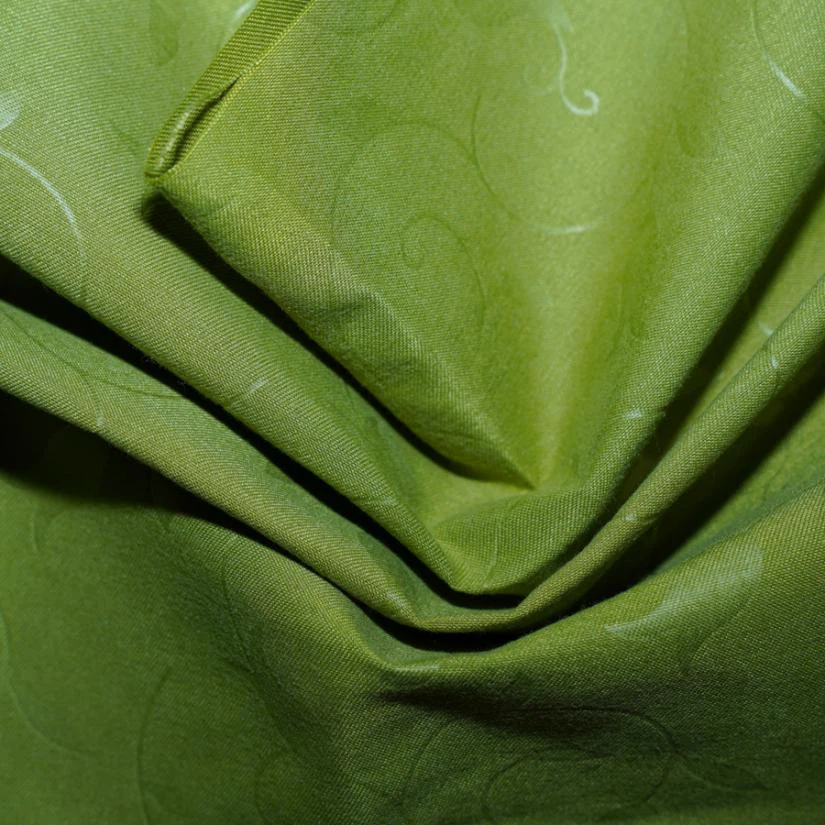
When it comes to the world of fabrics, polyester bleached fabric stands out for its unique characteristics and wide - ranging applications. As a supplier of Polyester Bleached Fabric, I am excited to delve into the details of its texture, which is a crucial aspect that influences its use in various industries.
Understanding the Basics of Polyester Bleached Fabric
Polyester is a synthetic fiber known for its durability, wrinkle - resistance, and quick - drying properties. Bleaching is a chemical process that removes natural color pigments from the fabric, resulting in a clean, white appearance. This process can enhance the fabric's aesthetic appeal and make it suitable for further dyeing or printing.
The texture of polyester bleached fabric is a combination of the inherent properties of polyester and the effects of the bleaching process. Polyester fibers are typically smooth and uniform, which contributes to the fabric's overall sleekness. The bleaching process can also have an impact on the texture, sometimes making the fabric feel slightly stiffer or more crisp, depending on the bleaching agents and methods used.
Physical Characteristics of the Texture
Smoothness
One of the most prominent features of polyester bleached fabric is its smooth texture. The synthetic nature of polyester fibers means that they are uniform in shape and size. This uniformity results in a fabric surface that is free from the irregularities often found in natural fibers like cotton or wool. When you run your hand over a piece of polyester bleached fabric, you'll feel a silky, gliding sensation. This smoothness makes the fabric comfortable to wear against the skin and also gives it a luxurious look.
The smooth texture also has practical benefits. For example, in applications such as Bed Linen Fabric, a smooth surface reduces friction between the fabric and the body, which can lead to a more comfortable sleep. Additionally, smooth fabrics are less likely to catch on rough surfaces, reducing the risk of snags and tears.
Softness
While polyester is often associated with a stiffer feel compared to some natural fibers, modern manufacturing techniques have made it possible to produce polyester bleached fabric with a surprisingly soft texture. Softness in polyester bleached fabric can be achieved through processes like microfiber production, where the polyester fibers are made extremely fine. These microfibers create a fabric that feels gentle and plush, similar to high - quality cotton or silk.
Soft polyester bleached fabric is highly sought after in the textile industry, especially for products like Polyester Sheet Fabric. Soft sheets provide a cozy and comfortable sleeping environment, and the durability of polyester ensures that they will last for a long time.
Drape
Drape is another important aspect of fabric texture, referring to how the fabric falls and hangs. Polyester bleached fabric generally has good drape properties. Its smooth and lightweight nature allows it to flow gracefully, creating elegant folds and curves. This makes it suitable for a variety of applications, including clothing and home decor.
In the fashion industry, fabrics with good drape can be used to create garments that fit the body well and move with the wearer. For example, a polyester bleached fabric dress will hang beautifully on the body, enhancing the wearer's silhouette. In home decor, fabrics with good drape can be used for curtains or drapes, adding a touch of sophistication to any room.


Factors Affecting the Texture
Fiber Denier
The denier of polyester fibers plays a significant role in determining the texture of the fabric. Denier is a unit of measurement that indicates the fineness of a fiber. A lower denier means finer fibers, which generally result in a softer and more delicate texture. For example, microfiber polyester with a very low denier can create a fabric that is extremely soft and smooth.
On the other hand, a higher denier polyester fiber will produce a thicker and more robust fabric. This type of fabric may have a stiffer texture and is often used in applications where durability is more important than softness, such as in industrial fabrics or heavy - duty upholstery.
Weave Structure
The way the polyester fibers are woven together also affects the texture of the bleached fabric. Different weave structures, such as plain weave, twill weave, and satin weave, can create distinct textures.
A plain weave is the simplest and most common weave structure. It creates a fabric with a balanced and even texture. The fabric is generally more stable and less likely to stretch, but it may also be a bit stiffer. Twill weave, on the other hand, creates a diagonal pattern on the fabric surface. This weave structure can give the fabric a more textured and slightly softer feel. Satin weave produces a fabric with a very smooth and shiny surface, making it ideal for applications where a luxurious appearance is desired.
Bleaching Process
The bleaching process can have a direct impact on the texture of the polyester fabric. Harsh bleaching agents or excessive bleaching can damage the polyester fibers, making the fabric feel rough or brittle. However, if the bleaching is done correctly using milder agents and proper techniques, it can enhance the fabric's texture by removing impurities and making it more receptive to further treatments.
Applications Based on Texture
Clothing
The texture of polyester bleached fabric makes it a popular choice in the clothing industry. Its smooth and soft texture makes it comfortable to wear, and its durability ensures that the clothing will retain its shape and appearance over time. Polyester bleached fabric can be used to make a variety of garments, including shirts, dresses, and blouses.
For summer clothing, a lightweight and breathable polyester bleached fabric with a soft texture can provide comfort in hot weather. It can be easily dyed or printed with various patterns, allowing designers to create stylish and fashionable clothing.
Home Textiles
In the home textile industry, polyester bleached fabric is widely used for products such as Bed Linen Fabric and Polyester Sheet Fabric. The smooth and soft texture of the fabric contributes to a comfortable sleeping experience. Additionally, its wrinkle - resistance and easy - care properties make it a practical choice for busy households.
Polyester bleached fabric can also be used for curtains, upholstery, and tablecloths. Its good drape and ability to hold color well make it suitable for adding a decorative touch to any home.
Industrial Applications
In industrial applications, the texture of polyester bleached fabric can be tailored to meet specific requirements. For example, in the filtration industry, a fabric with a specific texture can be used to capture particles of different sizes. The smooth texture of polyester can also be beneficial in applications where low friction is required, such as in conveyor belts or automotive interiors.
Contact for Procurement and Discussion
If you are interested in our Polyester Bleached Fabric and would like to discuss potential procurement, we are here to assist you. Our team of experts can provide detailed information about the fabric's texture, properties, and how it can meet your specific needs. Whether you are in the clothing industry, home textiles, or any other field that requires high - quality polyester bleached fabric, we are confident that we can offer you the right solution.
We understand that every customer has unique requirements, and we are committed to providing personalized service. Whether you need a small sample to test or a large - scale production order, we can accommodate your needs. Contact us today to start the conversation and explore the possibilities of using our polyester bleached fabric in your projects.
References
- Textile Science and Technology Volume 1: Fibre Science, Third Edition by Morton, W. E. and Hearle, J. W. S.
- Handbook of Textile Fibre Structure, Volume 2: Man - made Fibres by W. E. Morton, J. W. S. Hearle