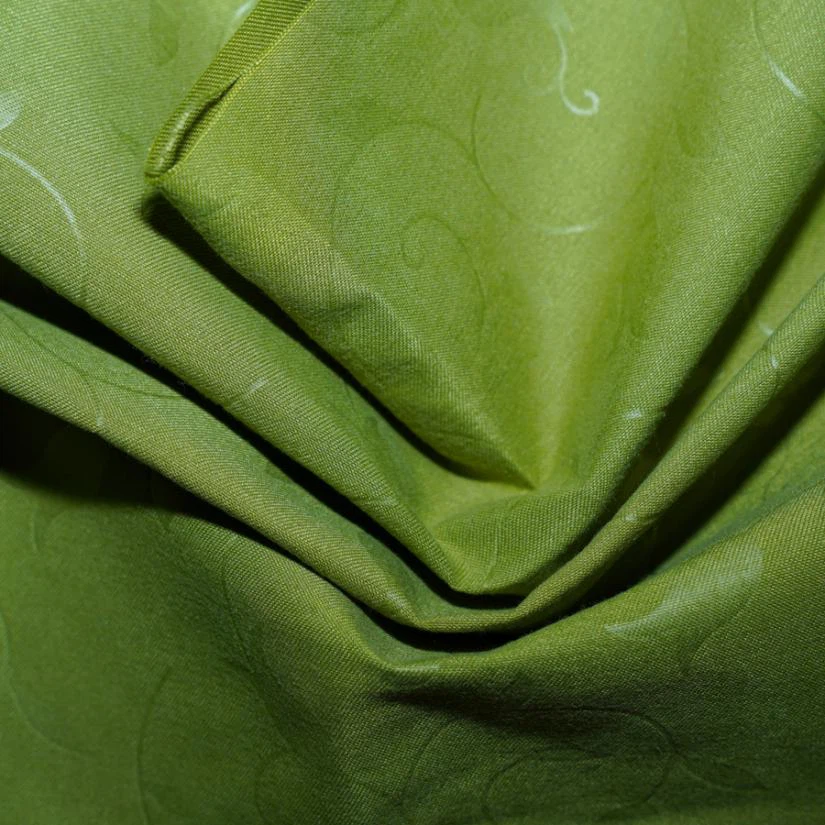
As a seasoned supplier of Waffle Material Fabric, I've encountered numerous inquiries regarding the softness level of this unique fabric. In this blog, I'll delve into the factors that determine the softness of waffle material fabric, explore its various applications, and provide insights to help you make informed decisions when selecting the right fabric for your needs.

Understanding Waffle Material Fabric
Waffle material fabric is characterized by its distinctive honeycomb or waffle-like texture, which is created through a special weaving or knitting process. This texture not only gives the fabric a visually appealing look but also offers several practical benefits, such as increased absorbency, breathability, and insulation. The fabric can be made from a variety of materials, including cotton, polyester, and blends of both, each with its own unique properties and softness levels.
Factors Affecting the Softness of Waffle Material Fabric
Fiber Type
The type of fiber used in the fabric plays a crucial role in determining its softness. Cotton is a popular choice for waffle fabric due to its natural softness, breathability, and absorbency. It is also hypoallergenic, making it suitable for people with sensitive skin. Polyester, on the other hand, is known for its durability, wrinkle resistance, and moisture-wicking properties. While polyester may not be as soft as cotton on its own, it can be blended with cotton to create a fabric that combines the best of both worlds.
Weave or Knit
The way the fabric is woven or knitted also affects its softness. A loose, open weave or knit tends to be softer and more breathable than a tight, dense one. For example, a waffle fabric with a looser weave will have more air pockets, which can make it feel softer and more comfortable against the skin. Additionally, the type of stitch used in the knitting process can also impact the fabric's softness.

Finish and Treatment
The finish and treatment applied to the fabric can also enhance its softness. Some fabrics are treated with softeners or conditioners to make them feel smoother and more luxurious. Others may undergo a process called brushing, which raises the fibers on the surface of the fabric, creating a softer, fluffier texture. However, it's important to note that these treatments can also affect the fabric's durability and performance, so it's essential to choose a fabric that has been treated appropriately.
Measuring the Softness of Waffle Material Fabric
There are several ways to measure the softness of waffle material fabric, including tactile evaluation, subjective assessment, and objective testing. Tactile evaluation involves feeling the fabric with your hands and assessing its softness, smoothness, and texture. Subjective assessment involves asking people to rate the fabric's softness based on their personal preferences and experiences. Objective testing, on the other hand, involves using specialized equipment to measure the fabric's physical properties, such as its friction coefficient, bending stiffness, and surface roughness.

Applications of Waffle Material Fabric
Waffle material fabric is a versatile fabric that can be used in a variety of applications, including bedding, clothing, home decor, and industrial uses. Here are some of the most common applications of waffle fabric:
Bedding
Waffle fabric is a popular choice for bedding due to its softness, absorbency, and breathability. It can be used to make sheets, pillowcases, duvet covers, and comforters, providing a comfortable and luxurious sleeping experience. Waffle Fabric for Bedding is available in a variety of colors and patterns, allowing you to customize your bedding to match your decor.
Clothing
Waffle fabric is also used in the fashion industry to make a variety of clothing items, including shirts, dresses, skirts, and shorts. Its softness and breathability make it a comfortable choice for everyday wear, while its unique texture adds a stylish touch to any outfit. Polyester waffle fabric is particularly popular for sportswear and activewear due to its moisture-wicking properties and durability. Polyester Waffle Fabric is available in a range of weights and thicknesses, making it suitable for different seasons and activities.
Home Decor
Waffle fabric can be used to add a touch of texture and style to your home decor. It can be used to make curtains, drapes, pillow covers, and upholstery, creating a cozy and inviting atmosphere in any room. Its absorbency also makes it a good choice for kitchen towels and dishcloths.
Industrial Uses
Waffle fabric is also used in a variety of industrial applications, such as filtration, insulation, and packaging. Its unique texture and absorbency make it a good choice for these applications, as it can effectively trap and hold particles and liquids.
Choosing the Right Waffle Material Fabric
When choosing the right waffle material fabric for your needs, it's important to consider several factors, including the intended use, the desired softness level, the fiber type, the weave or knit, and the finish and treatment. Here are some tips to help you make the right choice:
Consider the Intended Use
The intended use of the fabric will determine the type of fabric you need. For example, if you're using the fabric for bedding, you'll want to choose a fabric that is soft, absorbent, and breathable. If you're using the fabric for clothing, you'll want to choose a fabric that is comfortable, durable, and stylish.
Determine the Desired Softness Level
The desired softness level will depend on your personal preferences and the intended use of the fabric. If you have sensitive skin, you may want to choose a fabric that is made from natural fibers, such as cotton, which is known for its softness and hypoallergenic properties. If you're looking for a fabric that is more durable and wrinkle-resistant, you may want to choose a fabric that is made from a blend of cotton and polyester.
Choose the Right Fiber Type
The fiber type will determine the fabric's properties and performance. Cotton is a popular choice for waffle fabric due to its natural softness, breathability, and absorbency. Polyester is known for its durability, wrinkle resistance, and moisture-wicking properties. Blends of cotton and polyester can offer the best of both worlds, combining the softness and breathability of cotton with the durability and wrinkle resistance of polyester.
Consider the Weave or Knit
The weave or knit of the fabric will affect its softness, breathability, and durability. A loose, open weave or knit tends to be softer and more breathable than a tight, dense one. However, a tight, dense weave or knit may be more durable and less prone to snagging or tearing.
Look for a Quality Finish and Treatment
The finish and treatment applied to the fabric can enhance its softness, durability, and performance. Look for a fabric that has been treated with a softener or conditioner to make it feel smoother and more luxurious. Additionally, look for a fabric that has been treated to resist stains, wrinkles, and fading.
Contact Us for Waffle Material Fabric
If you're interested in purchasing Waffle Material Fabric, please don't hesitate to contact us. We're a leading supplier of high-quality waffle fabric, offering a wide range of options to meet your needs. Whether you're looking for bedding, clothing, home decor, or industrial applications, we have the perfect fabric for you. Our team of experts is available to answer any questions you may have and help you choose the right fabric for your project. Contact us today to learn more about our products and services.
References
- Textile Institute. (n.d.). Textile Terms and Definitions. Retrieved from [Textile Institute Website]
- ASTM International. (n.d.). Standards for Textiles. Retrieved from [ASTM International Website]
- Cotton Incorporated. (n.d.). Cotton: The Fabric of Our Lives. Retrieved from [Cotton Incorporated Website]
- Polyester Fiber Association. (n.d.). Polyester: The Versatile Fiber. Retrieved from [Polyester Fiber Association Website]