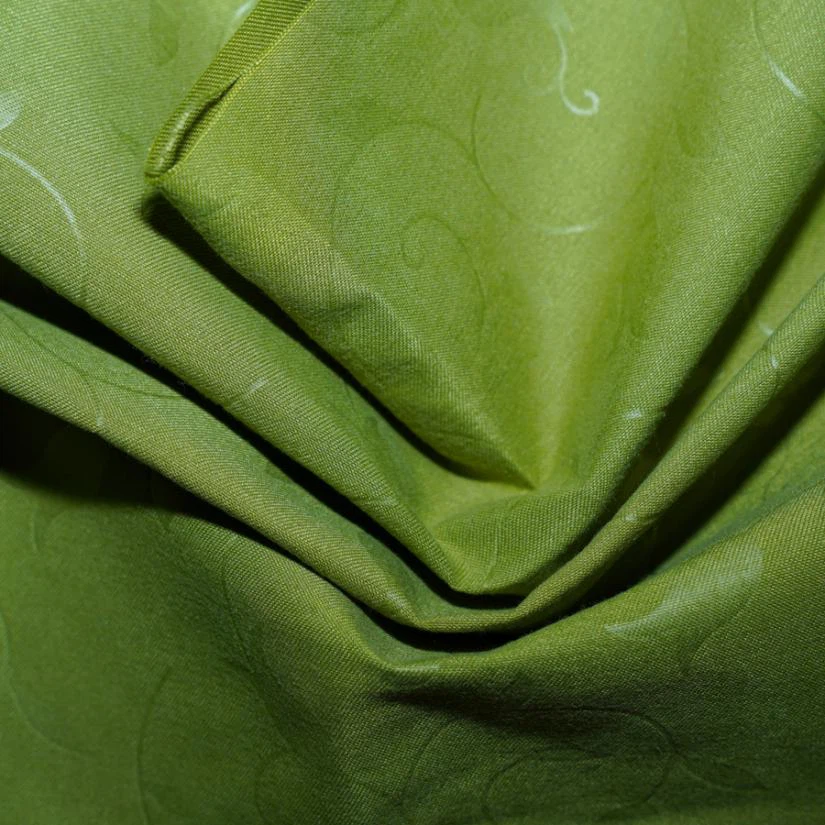
In the dynamic world of pigment textile printing, binders play a pivotal and multi - faceted role. As a well - established supplier in the realm of pigment textile printing, I've witnessed firsthand how the right binder can transform the quality, durability, and aesthetic appeal of printed fabrics. This blog post delves into the crucial functions of binders in pigment textile printing, exploring their significance from various perspectives.


Adhesion and Binding
The most fundamental role of binders in pigment textile printing is to ensure the adhesion of pigments to the fabric surface. Pigments are insoluble colorants, and without a proper binder, they would simply sit on the fabric and be easily removed through normal wear and tear, washing, or friction. Binders act as a bridge between the pigment particles and the fabric fibers. They form a strong bond that anchors the pigments firmly to the textile, allowing the printed design to withstand the rigors of daily use.
For example, when printing on 100% Polyester Pigment Printed Fabric, the binder must be carefully selected to ensure optimal adhesion to the polyester fibers. Polyester has a smooth and hydrophobic surface, which can make it challenging for pigments to adhere. A high - quality binder can penetrate the fiber structure and create a tenacious bond, ensuring that the printed pattern remains vibrant and intact over time.
Film Formation
Binders are responsible for forming a continuous film around the pigment particles on the fabric surface. This film not only holds the pigments in place but also provides a protective layer that enhances the durability of the print. The film formed by the binder can prevent the pigments from rubbing off, fading, or being affected by environmental factors such as sunlight, moisture, and chemicals.
In Pigment Printing On Polyester Fabric, the film - forming properties of the binder are particularly important. Polyester fabrics are often used in outdoor applications or in clothing that requires high - performance durability. A binder that can form a strong, flexible, and weather - resistant film will ensure that the printed design maintains its quality even under harsh conditions.
Flexibility and Softness
One of the challenges in pigment textile printing is to achieve a balance between adhesion and flexibility. The binder should be able to provide strong adhesion while still allowing the fabric to retain its natural flexibility and softness. If the binder is too rigid, it can make the printed fabric feel stiff and uncomfortable to wear, which is unacceptable for most textile applications.
Modern binders are designed to have excellent flexibility and softness properties. They can form a thin, elastic film that moves with the fabric, allowing it to drape well and feel comfortable against the skin. This is especially important in the production of Polyester Pigment Printed Fabric for clothing, where comfort is a top priority.
Color Fastness
Color fastness is a critical factor in pigment textile printing. It refers to the ability of the printed color to resist fading, bleeding, or changing under various conditions such as washing, rubbing, and exposure to light. Binders play a crucial role in enhancing color fastness.
The binder can encapsulate the pigment particles, protecting them from external factors that could cause color loss. It can also prevent the pigments from migrating within the fabric or bleeding onto adjacent areas. By choosing the right binder, we can ensure that the printed fabric meets the required color fastness standards, which is essential for maintaining the quality and appearance of the final product.
Compatibility with Pigments and Fabrics
Binders need to be compatible with both the pigments and the fabrics used in the printing process. Different pigments have different chemical properties, and the binder must be able to interact with them effectively to achieve good adhesion and color development. Similarly, different fabrics have unique characteristics, such as fiber type, surface texture, and porosity, which can affect the performance of the binder.
As a supplier, we conduct extensive research and testing to ensure that our binders are compatible with a wide range of pigments and fabrics. This allows us to offer customized solutions for different printing requirements, whether it's printing on natural fibers like cotton or synthetic fibers like polyester.
Environmental Considerations
In recent years, there has been a growing demand for environmentally friendly textile printing processes. Binders play an important role in meeting these environmental requirements. Many modern binders are formulated to be low - VOC (volatile organic compound), biodegradable, and free from harmful chemicals.
Using environmentally friendly binders not only reduces the environmental impact of the printing process but also meets the expectations of consumers who are increasingly conscious of the environmental footprint of the products they purchase. At our company, we are committed to developing and using binders that are both high - performance and eco - friendly.
Cost - Effectiveness
Cost is always a consideration in any manufacturing process. Binders can have a significant impact on the overall cost of pigment textile printing. A high - quality binder may have a higher upfront cost, but it can also result in lower production costs in the long run.
A good binder can improve the printing efficiency by reducing the number of re - prints due to poor adhesion or color fastness. It can also extend the lifespan of the printed fabric, reducing the need for frequent replacements. As a supplier, we strive to offer binders that provide a good balance between cost and performance, ensuring that our customers can achieve high - quality prints at a reasonable cost.
Conclusion
In conclusion, binders are an indispensable component in pigment textile printing. They play a crucial role in adhesion, film formation, flexibility, color fastness, compatibility, environmental friendliness, and cost - effectiveness. As a supplier of pigment textile printing, we understand the importance of choosing the right binder for each application.
We offer a wide range of binders that are carefully formulated to meet the diverse needs of our customers. Whether you are printing on 100% Polyester Pigment Printed Fabric, Pigment Printing On Polyester Fabric, or Polyester Pigment Printed Fabric, we have the expertise and products to help you achieve the best results.
If you are interested in learning more about our pigment textile printing services or our range of binders, we invite you to contact us for a detailed discussion. Our team of experts is ready to assist you in finding the perfect solution for your printing needs.
References
- Lewis, M. (2003). Pigment Printing. SDC Publications.
- Zollinger, H. (2003). Color Chemistry: Syntheses, Properties and Applications of Organic Dyes and Pigments. Wiley - VCH.