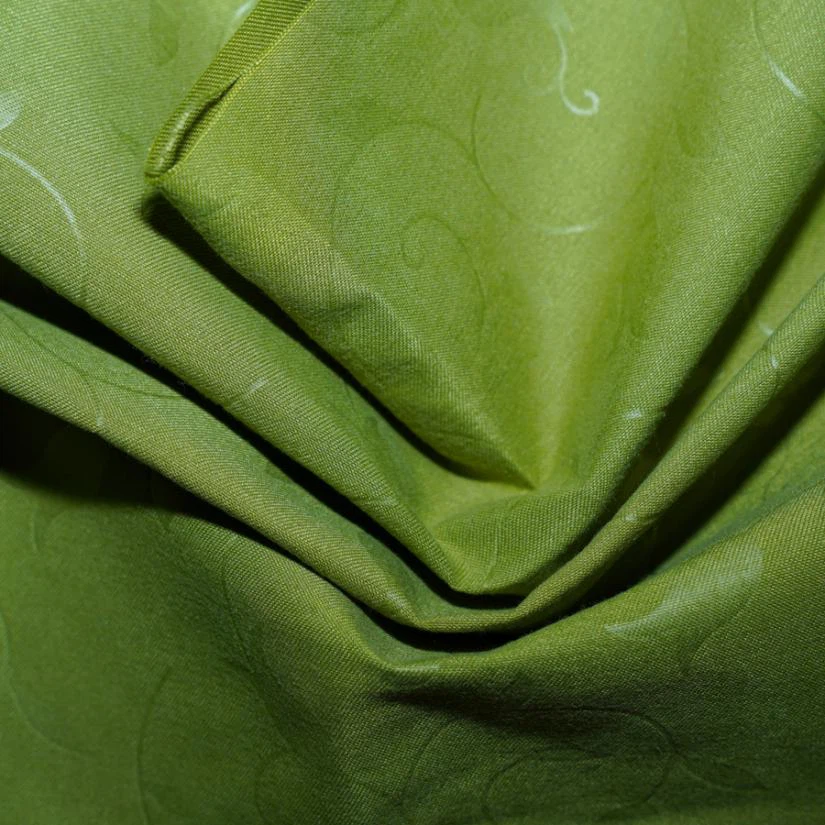
In the dynamic world of textiles, dyed fabrics stand as a vibrant testament to the blend of art and science. As a seasoned dyed fabric supplier, I've had the privilege of witnessing the intricate process that transforms plain, undyed fabric into a kaleidoscope of colors and patterns. In this blog post, I'll take you through the step-by-step journey of dyeing fabric in a factory, shedding light on the techniques, technologies, and quality control measures that ensure the production of high-quality dyed fabrics.
Step 1: Fabric Selection and Preparation
The process of dyeing fabric begins long before the fabric comes into contact with the dye. The first crucial step is selecting the right type of fabric for the desired end product. Fabrics can be made from natural fibers such as cotton, silk, and wool, or synthetic fibers like polyester, nylon, and acrylic. Each fiber type has its own unique properties, which can affect how it absorbs and retains dye.
Once the fabric has been selected, it undergoes a series of pre-treatment processes to prepare it for dyeing. These processes may include desizing, scouring, bleaching, and mercerizing, depending on the type of fabric and the desired dyeing result. Desizing involves removing any sizing agents that were applied to the fabric during the weaving or knitting process to improve its handling properties. Scouring is a process of cleaning the fabric to remove impurities such as dirt, oil, and wax. Bleaching is used to whiten the fabric and improve its dyeability, while mercerizing is a chemical treatment that improves the strength, luster, and dye uptake of cotton fabrics.


Step 2: Dye Selection and Preparation
The next step in the fabric dyeing process is selecting the appropriate dye for the fabric and the desired color. There are several types of dyes available, each with its own unique properties and applications. Some of the most common types of dyes used in fabric dyeing include direct dyes, reactive dyes, acid dyes, disperse dyes, and vat dyes.
Direct dyes are water-soluble dyes that can be applied directly to the fabric without the need for a mordant. They are commonly used for dyeing cotton, rayon, and other cellulosic fibers. Reactive dyes are a type of dye that forms a chemical bond with the fabric fibers, resulting in excellent color fastness. They are widely used for dyeing cotton, silk, and other natural fibers. Acid dyes are used for dyeing protein fibers such as wool, silk, and nylon. They are applied in an acidic bath and are known for their bright colors and good color fastness. Disperse dyes are used for dyeing synthetic fibers such as polyester, nylon, and acrylic. They are insoluble in water and are applied in a fine dispersion. Vat dyes are a type of dye that is insoluble in water but can be reduced to a soluble form by treating it with a reducing agent. They are commonly used for dyeing cotton and other cellulosic fibers and are known for their excellent color fastness.
Once the dye has been selected, it is prepared for application. This may involve dissolving the dye in water or a suitable solvent, adjusting the pH of the dye solution, and adding any necessary auxiliaries such as leveling agents, dispersing agents, and fixing agents.
Step 3: Dyeing Process
The dyeing process is the heart of the fabric dyeing operation. There are several methods of dyeing fabric, each with its own advantages and disadvantages. Some of the most common dyeing methods include batch dyeing, continuous dyeing, and printing.
Batch dyeing is a process in which a relatively small quantity of fabric is dyed in a single batch. The fabric is typically immersed in a dye bath containing the dye solution and other necessary chemicals. The dye bath is then heated to a specific temperature and maintained at that temperature for a certain period of time to allow the dye to penetrate the fabric fibers. Batch dyeing is a versatile method that can be used for dyeing a wide range of fabric types and colors. It is also suitable for small-scale production and for dyeing fabrics with complex patterns or designs.
Continuous dyeing is a process in which the fabric is dyed continuously as it passes through a series of dyeing machines. The fabric is typically fed into the dyeing machine in a continuous web and is treated with the dye solution and other necessary chemicals as it moves through the machine. Continuous dyeing is a high-speed, high-volume method that is suitable for large-scale production of dyed fabrics. It is also known for its consistent color quality and excellent color fastness.
Printing is a process in which a pattern or design is applied to the fabric using a printing paste containing the dye. There are several types of printing methods available, including screen printing, roller printing, and digital printing. Screen printing is a process in which the printing paste is forced through a stencil onto the fabric using a squeegee. Roller printing is a process in which the printing paste is applied to the fabric using a series of engraved rollers. Digital printing is a process in which the printing paste is applied to the fabric using a digital printer. Printing is a versatile method that can be used for creating a wide range of patterns and designs on the fabric. It is also suitable for small-scale production and for creating custom-designed fabrics.
Step 4: Post-Treatment and Finishing
After the fabric has been dyed, it undergoes a series of post-treatment processes to improve its quality and appearance. These processes may include washing, rinsing, neutralizing, and finishing. Washing and rinsing are used to remove any excess dye and chemicals from the fabric. Neutralizing is a process of adjusting the pH of the fabric to a neutral level to prevent any further chemical reactions from occurring. Finishing is a process of applying a finishing agent to the fabric to improve its properties such as softness, smoothness, wrinkle resistance, and water repellency.
Step 5: Quality Control
Quality control is an essential part of the fabric dyeing process. At every stage of the process, from fabric selection and preparation to post-treatment and finishing, strict quality control measures are in place to ensure that the dyed fabric meets the required standards of quality and color fastness. Quality control measures may include visual inspection, color measurement, and laboratory testing.
Visual inspection is a process of examining the dyed fabric by eye to check for any defects such as color variations, stains, or uneven dyeing. Color measurement is a process of using a colorimeter or spectrophotometer to measure the color of the dyed fabric and compare it to a standard color. Laboratory testing is a process of conducting various tests on the dyed fabric to evaluate its properties such as color fastness, strength, and durability.
Conclusion
The process of dyeing fabric in a factory is a complex and intricate process that involves a combination of art, science, and technology. As a dyed fabric supplier, I take great pride in the quality of our products and the expertise of our team. We use the latest technologies and techniques to ensure that our dyed fabrics are of the highest quality and meet the diverse needs of our customers.
If you're in the market for high-quality dyed fabrics, we invite you to explore our extensive range of products, including 100% Polyester Dyed Fabric, Dyed Polyester Bedsheet Fabric, and Polyester Dyed Microfiber Fabric. Our team of experts is always available to assist you with your specific requirements and to provide you with the best possible solutions. Contact us today to start a conversation about your next project and to experience the difference that our dyed fabrics can make.
References
- Lewis, M. (2007). Textile Coloration. Woodhead Publishing Limited.
- Shore, J. (2002). Chemical Technology of Textile Fibres. Woodhead Publishing Limited.
- Trotman, E. R. (1993). Dyeing and Chemical Technology of Textile Fibres. CBS Publishers & Distributors.