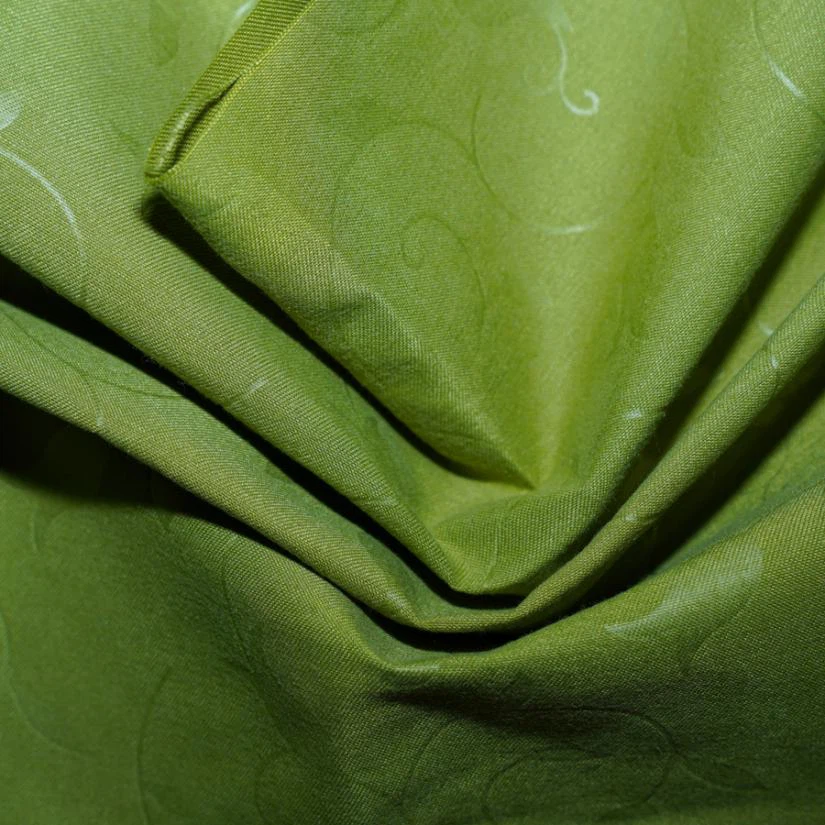
In the dynamic world of textiles, micro print fabric has emerged as a captivating choice for designers, manufacturers, and consumers alike. Its intricate patterns and versatility make it a sought-after material in various industries, from fashion to home decor. One of the key aspects that define micro print fabric is the pattern repeat, which plays a crucial role in its aesthetic appeal and functionality. In this blog post, as a micro print fabric supplier, I will delve into the concept of pattern repeat on micro print fabric, exploring its significance, types, and how it impacts the overall design and quality of the fabric.
Understanding Pattern Repeat
Pattern repeat refers to the distance between the start of one pattern unit and the start of the next identical unit on a fabric. It is a fundamental characteristic of printed fabrics that determines how the pattern is arranged and repeated across the surface of the material. In the case of micro print fabric, the pattern repeat is typically small, resulting in a densely packed and detailed design.
The pattern repeat on micro print fabric can be measured in different ways, depending on the type of pattern and the printing technique used. The most common measurements are in inches or centimeters and are usually specified by the fabric supplier. Understanding the pattern repeat is essential for designers and manufacturers as it allows them to plan their designs effectively and ensure that the pattern is aligned correctly when cutting and sewing the fabric.
Significance of Pattern Repeat on Micro Print Fabric
The pattern repeat on micro print fabric has several important implications for its design, production, and use. Here are some of the key reasons why pattern repeat matters:
Aesthetic Appeal
The pattern repeat is a critical factor in determining the visual impact of micro print fabric. A well-designed pattern repeat can create a sense of harmony, balance, and continuity in the fabric, making it more visually appealing. On the other hand, a poorly executed pattern repeat can result in a disjointed or chaotic appearance, detracting from the overall beauty of the fabric.


Design Flexibility
The pattern repeat on micro print fabric offers designers a great deal of flexibility in creating unique and innovative designs. By manipulating the pattern repeat, designers can create different effects, such as a random or scattered look, a geometric pattern, or a repeating motif. This allows them to customize the fabric to suit the specific needs and preferences of their clients.
Production Efficiency
In the manufacturing process, the pattern repeat on micro print fabric can have a significant impact on production efficiency. A consistent and well-defined pattern repeat makes it easier for printers to align the pattern accurately, reducing the risk of errors and waste. This can result in faster production times and lower costs, making the fabric more competitive in the market.
Fit and Drape
The pattern repeat on micro print fabric can also affect the fit and drape of the finished garment or product. A pattern repeat that is too large or too small can cause the fabric to bunch or stretch in unexpected ways, affecting the overall fit and appearance of the item. By choosing a pattern repeat that is appropriate for the intended use of the fabric, designers can ensure that the finished product looks and feels its best.
Types of Pattern Repeat on Micro Print Fabric
There are several different types of pattern repeat that can be used on micro print fabric, each with its own unique characteristics and effects. Here are some of the most common types:
All-Over Repeat
An all-over repeat is a pattern that is repeated evenly across the entire surface of the fabric. This type of repeat is often used to create a uniform and consistent look, and it can be used with a variety of patterns, including geometric shapes, floral designs, and abstract motifs. All-over repeats are popular in both fashion and home decor applications, as they can add a sense of cohesion and style to any project.
Half Drop Repeat
A half drop repeat is a pattern that is repeated in a staggered formation, with each pattern unit shifted by half of its width or height. This creates a more dynamic and interesting look than an all-over repeat, as the pattern appears to flow and move across the fabric. Half drop repeats are commonly used in floral and paisley designs, as they can enhance the natural movement and beauty of the pattern.
Brick Repeat
A brick repeat is a pattern that is repeated in a brick-like formation, with each pattern unit placed next to or above the previous one. This type of repeat is often used to create a geometric or linear look, and it can be used with a variety of patterns, including stripes, dots, and chevrons. Brick repeats are popular in modern and contemporary designs, as they can add a sense of structure and order to the fabric.
Random Repeat
A random repeat is a pattern that is repeated in a non-uniform or irregular manner, creating a more organic and natural look. This type of repeat is often used to mimic the appearance of natural materials, such as wood, stone, or foliage. Random repeats can be used to add a sense of texture and depth to the fabric, making it more interesting and visually appealing.
Factors to Consider When Choosing a Pattern Repeat on Micro Print Fabric
When choosing a pattern repeat on micro print fabric, there are several factors that designers and manufacturers should consider. Here are some of the key factors to keep in mind:
Design Intent
The first factor to consider is the design intent of the project. What kind of look and feel are you trying to achieve? Do you want a uniform and consistent look, or do you want a more dynamic and interesting pattern? By understanding the design intent, you can choose a pattern repeat that will help you achieve your desired effect.
Fabric Type
The type of fabric you are using can also have an impact on the choice of pattern repeat. Different fabrics have different properties, such as texture, drape, and stretch, which can affect how the pattern appears on the fabric. For example, a lightweight and sheer fabric may require a smaller pattern repeat to avoid looking too busy, while a heavier and more structured fabric may be able to handle a larger pattern repeat.
End Use
The end use of the fabric is another important factor to consider when choosing a pattern repeat. If the fabric is intended for a garment, you will need to consider how the pattern repeat will affect the fit and drape of the finished item. If the fabric is intended for home decor, you will need to consider how the pattern repeat will look in the context of the room and the other elements in the space.
Printing Technique
The printing technique used to create the pattern on the fabric can also have an impact on the choice of pattern repeat. Different printing techniques, such as screen printing, digital printing, and block printing, have different capabilities and limitations when it comes to pattern repeat. For example, screen printing is typically limited to a maximum pattern repeat of around 24 inches, while digital printing can handle much larger repeats.
How to Choose the Right Pattern Repeat for Your Project
Choosing the right pattern repeat for your project can be a challenging task, but with a little knowledge and planning, you can make an informed decision. Here are some tips to help you choose the right pattern repeat for your project:
Look at Samples
One of the best ways to choose the right pattern repeat for your project is to look at samples of the fabric. This will allow you to see how the pattern looks in person and how it interacts with the fabric. You can also compare different pattern repeats side by side to see which one looks the best.
Consider the Scale
The scale of the pattern repeat is an important factor to consider when choosing a pattern repeat. A pattern repeat that is too large or too small can have a negative impact on the overall look and feel of the fabric. As a general rule, the pattern repeat should be proportional to the size of the project and the intended use of the fabric.
Think About the Color
The color of the pattern repeat can also have an impact on the overall look and feel of the fabric. A pattern repeat that is too bright or too dark can be overwhelming, while a pattern repeat that is too subtle can be difficult to see. When choosing a pattern repeat, consider the color scheme of the project and choose a pattern repeat that will complement the other colors in the space.
Get Feedback
Finally, it's always a good idea to get feedback from others when choosing a pattern repeat. This can include colleagues, friends, family members, or even your clients. By getting feedback from others, you can get a different perspective on the pattern repeat and make a more informed decision.
Conclusion
In conclusion, the pattern repeat on micro print fabric is a critical factor that can have a significant impact on its aesthetic appeal, design flexibility, production efficiency, and fit and drape. By understanding the different types of pattern repeat and the factors to consider when choosing a pattern repeat, designers and manufacturers can make informed decisions that will help them create high-quality products that meet the needs and preferences of their clients.
As a micro print fabric supplier, we offer a wide range of pattern repeats and printing techniques to meet the diverse needs of our customers. Whether you are looking for an all-over repeat, a half drop repeat, a brick repeat, or a random repeat, we have the expertise and resources to help you find the perfect pattern repeat for your project.
If you are interested in learning more about our micro print fabric or would like to discuss your specific requirements, please do not hesitate to contact us. We would be happy to help you choose the right pattern repeat and fabric for your project and to provide you with a quote.
References
- Textile Institute. (2019). Textile Terms and Definitions. 13th Edition.
- Holme, A., & Gowing, M. (2012). Fashion and Textile Design: A Concise Introduction. Berg.
- Paoletti, J. B. (2012). A Social History of American Fashion: Trends from the Colonial Period to the Present. Berg.