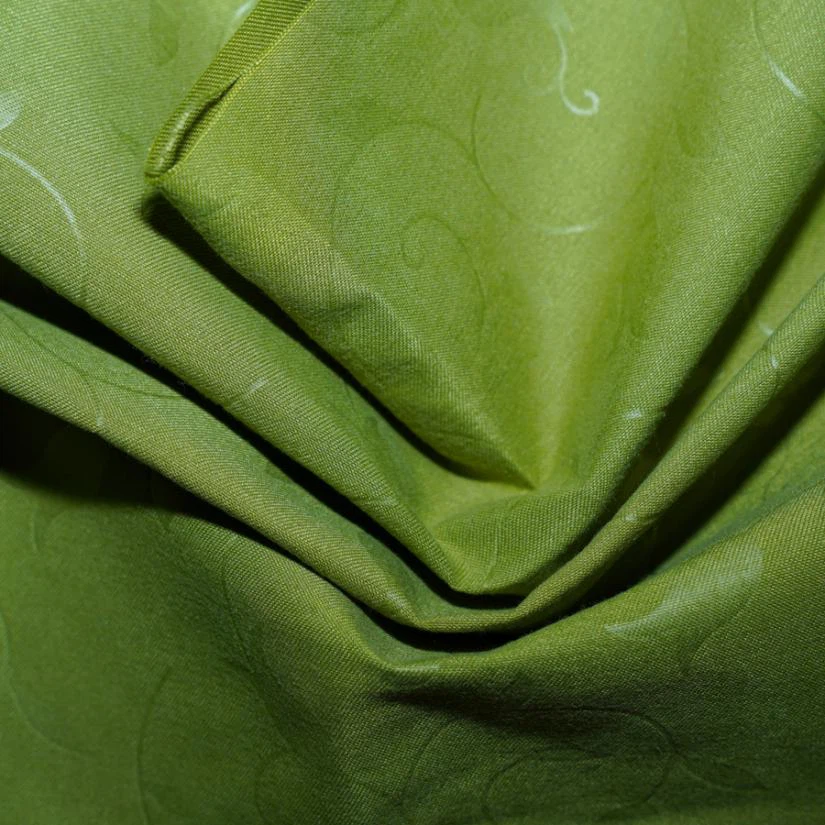
As a seasoned supplier of bed linen fabric, I've witnessed firsthand the evolving demands and preferences in the market. One of the most frequently asked questions I encounter is about the elasticity of bed linen fabric. In this blog, I'll delve into the concept of elasticity in bed linen fabric, exploring its importance, factors affecting it, and how it impacts the overall quality and performance of the bedding.
Understanding Elasticity in Bed Linen Fabric
Elasticity refers to the ability of a fabric to stretch and then return to its original shape. In the context of bed linen, elasticity plays a crucial role in several aspects. Firstly, it affects the fit of the sheets on the mattress. A fabric with good elasticity can easily stretch to fit snugly around the mattress corners, preventing the sheets from slipping off during sleep. This is especially important for deeper mattresses or those with irregular shapes.
Secondly, elasticity contributes to the comfort of the bedding. When a fabric can stretch, it allows for more freedom of movement during sleep. You won't feel restricted by tight - fitting sheets, and the fabric can conform to your body's natural contours. This is particularly beneficial for people who toss and turn a lot in their sleep.
Factors Affecting the Elasticity of Bed Linen Fabric
Fiber Composition
The type of fibers used in the fabric is one of the primary factors influencing its elasticity.
- Natural Fibers: Cotton is a popular choice for bed linen. While pure cotton has some natural stretch, it is relatively limited. However, cotton blends can enhance elasticity. For example, a cotton - spandex blend combines the breathability and softness of cotton with the high elasticity of spandex. Spandex, also known as elastane, can stretch up to 500% of its original length and then return to its shape.
- Synthetic Fibers: Polyester is another common fiber in bed linen. Polyester fabrics generally have some inherent stretch, but it is often less elastic than spandex - containing blends. However, modern manufacturing techniques can improve the elasticity of polyester. For instance, you can find Polyester Sheet Fabric and Polyester Bleached Fabric that are engineered to have better stretch properties. Bleached Polyester Bedsheet Fabric is also available, which offers a combination of a clean, white appearance and decent elasticity.
Weave Structure
The way the fabric is woven also impacts its elasticity.
- Plain Weave: This is the simplest and most common weave. In a plain weave, the warp and weft threads cross each other alternately. Plain - weave fabrics typically have less elasticity compared to other weaves because the threads are tightly interlaced.
- Satin Weave: Satin weaves have a smooth surface and often allow for more movement between the threads, resulting in slightly more elasticity. The long floats in the satin weave give the fabric a bit of stretch, especially in the direction where the floats are more prominent.
- Jacquard Weave: Jacquard weaves can be designed to incorporate stretch elements. By carefully controlling the pattern and the arrangement of the threads, manufacturers can create fabrics with varying degrees of elasticity.
Manufacturing Process
The manufacturing process can significantly affect the final elasticity of the fabric.
- Finishing Treatments: Some finishing treatments can enhance or reduce the elasticity of the fabric. For example, applying a chemical treatment that stiffens the fabric will reduce its stretchability. On the other hand, treatments that lubricate the fibers or modify their structure can increase elasticity.
- Tension during Production: The amount of tension applied to the fabric during weaving and other manufacturing steps can also impact its elasticity. If the fabric is woven under high tension, it may have less stretch in the finished product.
Measuring the Elasticity of Bed Linen Fabric
There are several ways to measure the elasticity of bed linen fabric. One common method is to conduct a tensile test. In a tensile test, a sample of the fabric is clamped at both ends and then pulled at a constant rate until it breaks. The amount of stretch before breaking and the force required to stretch the fabric are measured. These measurements can be used to calculate the fabric's elastic modulus, which is a measure of its stiffness or elasticity.
Another way to assess elasticity is through a simple hand - stretching test. By gently pulling the fabric in different directions (lengthwise and widthwise), you can get a feel for how much it stretches and how well it returns to its original shape. This is a quick and practical way to evaluate the fabric's elasticity, especially for consumers.
The Impact of Elasticity on Bed Linen Quality and Performance
Durability
Fabric with good elasticity is generally more durable. When a fabric can stretch and recover without damage, it is less likely to tear or develop holes during normal use. For example, if you frequently make your bed or move around on the sheets, a more elastic fabric can withstand the stress better than a less elastic one.


Comfort
As mentioned earlier, elasticity contributes to comfort. A fabric that can stretch with your body movements allows for a more comfortable sleep experience. You won't feel like you're being constricted by the sheets, and the fabric will adapt to your changing positions throughout the night.
Aesthetics
Elasticity can also affect the appearance of the bed linen. A well - fitting sheet with good elasticity will look neater on the bed. It won't bunch up or wrinkle as easily as a sheet that doesn't have enough stretch, giving your bed a more polished and inviting look.
Choosing the Right Elasticity for Your Bed Linen
The ideal elasticity of bed linen depends on your personal preferences and specific needs.
- For a Snug Fit: If you have a deep mattress or want your sheets to stay in place all night, you should look for fabrics with higher elasticity. Fabrics with a high percentage of spandex or those engineered for stretch are good choices.
- For a Traditional Look and Feel: If you prefer the natural feel of pure cotton and don't mind a less stretchy sheet, a high - quality cotton fabric may be sufficient. However, keep in mind that even with pure cotton, some degree of stretch can still be beneficial for comfort.
Conclusion
Elasticity is a crucial characteristic of bed linen fabric that affects its fit, comfort, durability, and aesthetics. As a supplier, I understand the importance of providing customers with a wide range of options to meet their diverse needs. Whether you're looking for a highly elastic fabric for a deep mattress or a more traditional, less stretchy cotton sheet, we have the products to suit your preferences.
If you're interested in purchasing bed linen fabric, I encourage you to reach out to discuss your specific requirements. We can provide samples and detailed information to help you make an informed decision. Let's work together to find the perfect bed linen fabric for your needs.
References
- Textile Institute. (2018). Handbook of Textile Fibre Structure. Woodhead Publishing.
- ASTM International. (2019). Standard Test Methods for Tensile Properties of Textile Fabrics. ASTM D5034 - 19.