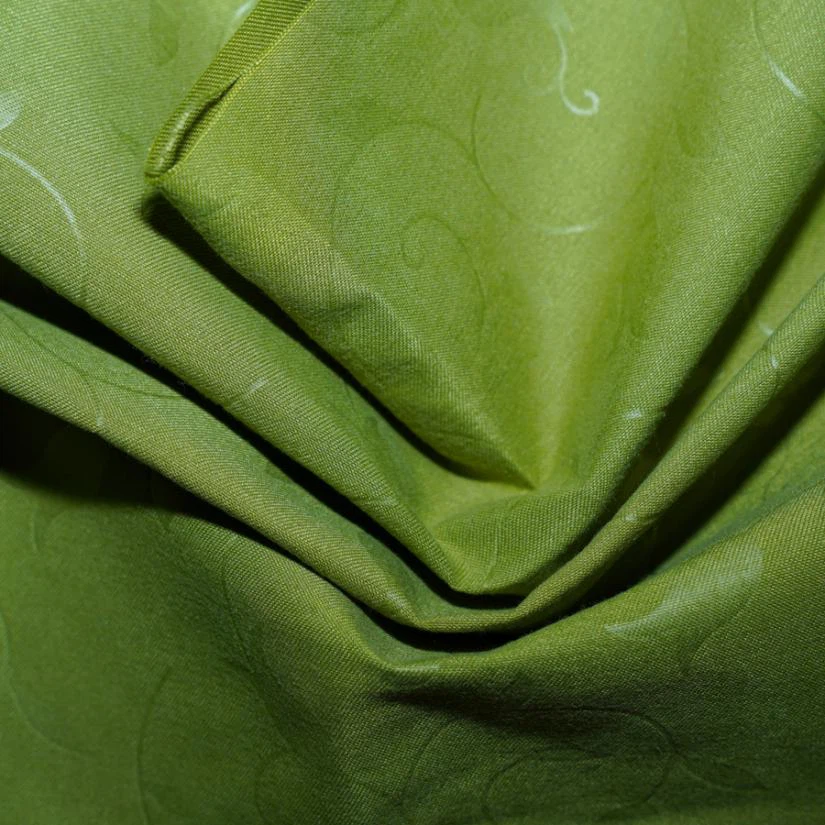
In the world of textiles, polyester is a well - known and widely used synthetic fiber. It offers durability, wrinkle - resistance, and ease of care, making it a popular choice for various applications. Among the different types of polyester fabrics, polyester bleached fabric stands out with its unique characteristics. As a supplier of Polyester Bleached Fabric, I am here to shed light on the differences between polyester bleached fabric and regular polyester fabric.
Appearance
The most obvious difference between polyester bleached fabric and regular polyester fabric lies in their appearance. Regular polyester fabric typically comes in its natural color, which can range from a slightly off - white to a light grayish hue. This is because polyester is a synthetic polymer, and its raw material has an inherent color.
On the other hand, polyester bleached fabric has a much brighter and cleaner appearance. Through a bleaching process, the natural color of the polyester is removed, resulting in a fabric that is often pure white or has a very light, uniform color. For instance, a Bleached White Fabric is a prime example of the outcome of the bleaching process. This bright and clean look makes polyester bleached fabric highly suitable for applications where a pristine appearance is desired, such as in high - end bedding, tablecloths, and some fashion items.
Colorfastness and Dyeing Properties
Colorfastness is an important aspect to consider when dealing with fabrics. Regular polyester fabric generally has good colorfastness because of its synthetic nature. However, when it comes to dyeing, the natural color of the fabric can sometimes interfere with the final color result.
Polyester bleached fabric, due to its white base, offers better dyeing properties. The bleaching process removes any impurities and natural color, providing a more uniform surface for dyes to adhere to. This means that when you dye polyester bleached fabric, you can achieve more vibrant and accurate colors compared to regular polyester fabric. For manufacturers who need to produce fabrics in specific colors for their products, polyester bleached fabric can be a more reliable choice. It is also easier to achieve a consistent color across large batches of fabric. If you are looking for a fabric that can be dyed into various shades for your fashion line or home decor items, Polyester Bleached Fabric is worth considering.
Chemical Composition and Treatment
Regular polyester fabric is made from polyethylene terephthalate (PET) polymer, which is produced through a chemical reaction between ethylene glycol and terephthalic acid. It has a stable chemical structure that gives it its characteristic properties such as strength and resistance to shrinking and stretching.
Polyester bleached fabric starts with the same PET polymer but undergoes an additional bleaching treatment. The bleaching process usually involves the use of chemicals such as hydrogen peroxide or sodium hypochlorite. These chemicals break down the chromophores (color - producing groups) in the polyester, resulting in a lighter color. However, it's important to note that the bleaching process needs to be carefully controlled to avoid damaging the fabric's structure. If the bleaching is too harsh, it can weaken the fibers, reducing the fabric's strength and durability. As a professional supplier, we ensure that our Polyester Bleached Fabric goes through a well - balanced bleaching process to maintain its performance while achieving the desired white color.
Absorbency and Moisture Management
Polyester, in general, is known for its low absorbency. Regular polyester fabric has a hydrophobic nature, which means it repels water and dries quickly. This property makes it suitable for outdoor clothing, sportswear, and other applications where moisture - wicking is important.


Polyester bleached fabric, although it also has a relatively low absorbency, can have slightly different moisture - management characteristics. The bleaching process can alter the surface properties of the fabric to some extent. In some cases, the bleached fabric may have a slightly increased ability to absorb moisture compared to regular polyester fabric. This can be beneficial in certain applications, such as in some types of bedding where a small amount of moisture absorption can enhance comfort. However, it still retains the overall quick - drying property of polyester.
Applications
The differences in appearance, colorfastness, and other properties lead to different application scenarios for regular polyester fabric and polyester bleached fabric.
Regular polyester fabric is commonly used in outdoor gear, such as tents, backpacks, and raincoats, because of its durability and water - repellent nature. It is also widely used in sportswear, where its moisture - wicking ability helps keep the wearer dry during physical activities. In addition, it can be found in industrial applications, such as conveyor belts and filters, due to its strength and chemical resistance.
Polyester bleached fabric, with its bright appearance and good dyeing properties, is often used in the home textile industry. It is a popular choice for making Polyester Sheet Fabric, duvet covers, and pillowcases. The clean white color gives a luxurious and fresh look to the bedding. In the fashion industry, it can be used for bridal wear, evening gowns, and other formal clothing items where a pure and elegant appearance is required. It is also used in the production of some high - end table linens and curtains.
Quality and Cost
When it comes to quality, both regular polyester fabric and polyester bleached fabric can be of high quality if they are produced under proper manufacturing processes. However, the additional bleaching step in the production of polyester bleached fabric can sometimes introduce more opportunities for quality control issues. For example, improper bleaching can lead to uneven color, weakened fibers, or chemical residues on the fabric. As a supplier, we have strict quality control measures in place to ensure that our Polyester Bleached Fabric meets the highest standards.
In terms of cost, polyester bleached fabric is generally more expensive than regular polyester fabric. The additional bleaching process requires more time, energy, and chemicals, which adds to the production cost. However, the added value in terms of appearance and dyeing properties can justify the higher price for many applications.
Conclusion
In summary, polyester bleached fabric and regular polyester fabric have distinct differences in appearance, colorfastness, chemical composition, absorbency, applications, quality, and cost. Regular polyester fabric offers durability, water - repellency, and strength, making it suitable for a wide range of industrial and outdoor applications. Polyester bleached fabric, on the other hand, provides a bright and clean appearance, better dyeing properties, and is well - suited for home textiles and high - end fashion items.
If you are in the market for high - quality polyester fabrics, whether it's for your fashion brand, home textile business, or other applications, I invite you to explore our range of Polyester Bleached Fabric. Our products are carefully manufactured to ensure the best quality and performance. We are always ready to discuss your specific requirements and provide you with the most suitable fabric solutions. Contact us today to start a fruitful business partnership.
References
- "Textile Science and Technology: Fibers, Yarns, Fabrics, and Nonwovens" by Horst - Peter Reiners and Dieter Stobbe
- "Handbook of Fiber Chemistry" edited by Menachem Lewin and Eli M. Pearce
- Industry reports on polyester fabric production and applications from leading textile research institutions.