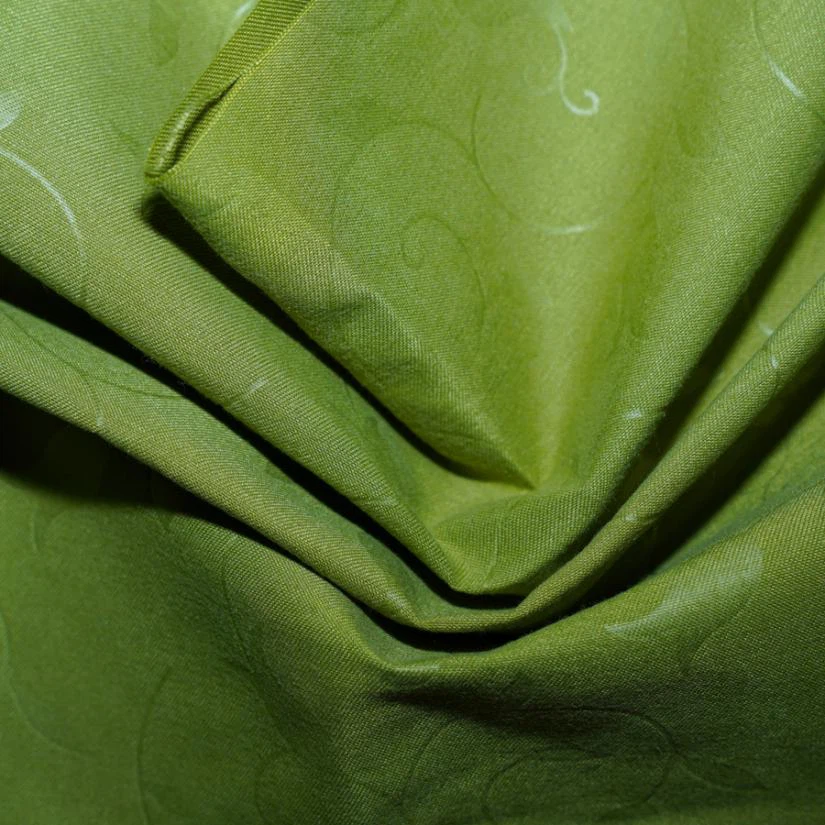
As a supplier of Seersucker Dyed Fabric, I often encounter inquiries about the density of this unique material. Density is a crucial factor that not only affects the fabric's appearance but also its performance and quality. In this blog post, I'll delve into the concept of density in seersucker dyed fabric, exploring what it means, how it's measured, and why it matters.
Understanding Fabric Density
Fabric density refers to the number of yarns per unit area, typically expressed as the number of warp (lengthwise) and weft (crosswise) yarns per square inch or centimeter. In the context of seersucker dyed fabric, density plays a significant role in determining the fabric's texture, drape, and durability. A higher density generally means more yarns are packed into a given area, resulting in a denser, heavier, and potentially more durable fabric. Conversely, a lower density fabric will be lighter, more breathable, and may have a looser, more casual look.
Measuring the Density of Seersucker Dyed Fabric
Measuring the density of seersucker dyed fabric requires a tool called a pick glass or a density meter. A pick glass is a small magnifying glass with a grid etched on it, which allows you to count the number of yarns in a specific area. To measure the density, you simply place the pick glass on the fabric and count the number of warp and weft yarns within the grid. The results are then used to calculate the yarn count per inch or centimeter.
When measuring seersucker fabric, it's important to note that the puckered effect characteristic of seersucker can make accurate measurement a bit challenging. The puckers can cause the yarns to bunch up, making it difficult to get an accurate count. To overcome this, it's best to measure the density in a flat, unpuckered area of the fabric.


Factors Affecting the Density of Seersucker Dyed Fabric
Several factors can influence the density of seersucker dyed fabric. These include:
- Yarn Thickness: Thicker yarns generally result in a lower density fabric, as fewer yarns can fit into a given area. Conversely, thinner yarns allow for a higher density.
- Weave Structure: The way the yarns are woven together also affects density. Seersucker fabric typically has a dobby or puckered weave, which can create a more open and less dense structure compared to a plain weave fabric.
- Production Process: The manufacturing process can also impact density. For example, if the fabric is stretched or shrunk during dyeing or finishing, it can affect the spacing between the yarns and thus the density.
Importance of Density in Seersucker Dyed Fabric
The density of seersucker dyed fabric is important for several reasons:
- Appearance: Density affects the overall look and feel of the fabric. A higher density fabric will have a smoother, more refined appearance, while a lower density fabric may have a more textured, rustic look.
- Performance: Density also impacts the fabric's performance. A denser fabric is generally more durable and less prone to tearing or fraying. It may also provide better insulation and protection from the elements. On the other hand, a lower density fabric is more breathable and lightweight, making it ideal for warm weather clothing.
- Quality: Density is often an indicator of the fabric's quality. Higher density fabrics are typically made with better quality yarns and are more carefully constructed, resulting in a more durable and long-lasting product.
Different Density Ranges and Their Applications
Seersucker dyed fabric comes in a range of densities, each suitable for different applications:
- Low Density (Less than 80 yarns per square inch): Low density seersucker fabric is lightweight, breathable, and has a loose, casual look. It's ideal for summer clothing such as shirts, dresses, and shorts, as well as for home decor items like curtains and pillow covers. You can find some great options in our Polyester Seersucker Fabric collection, which often includes lower density options for a breezy feel.
- Medium Density (80 - 120 yarns per square inch): Medium density seersucker fabric strikes a balance between durability and breathability. It's suitable for a wider range of applications, including workwear, uniforms, and more structured clothing items. Our Seersucker Dyed Fabric collection offers a variety of medium density options to meet different needs.
- High Density (More than 120 yarns per square inch): High density seersucker fabric is heavy, durable, and has a smooth, refined appearance. It's often used for high-end clothing, upholstery, and other applications where quality and durability are essential. Our Polyester Seersucker range includes some high density options that are perfect for more demanding uses.
Choosing the Right Density for Your Project
When choosing the density of seersucker dyed fabric for your project, consider the following factors:
- Intended Use: Think about how the fabric will be used. If it's for summer clothing, a lower density fabric may be more appropriate. For upholstery or heavy-duty applications, a higher density fabric is likely a better choice.
- Climate: Consider the climate in which the fabric will be used. In hot and humid climates, a lower density, breathable fabric is ideal. In cooler climates, a higher density fabric may provide more warmth and insulation.
- Aesthetic Preferences: Your personal aesthetic preferences also play a role. If you prefer a more casual, relaxed look, a lower density fabric may be more to your liking. If you want a more formal, refined appearance, a higher density fabric is a better option.
Conclusion
The density of seersucker dyed fabric is a key characteristic that affects its appearance, performance, and quality. By understanding what density means, how it's measured, and the factors that influence it, you can make an informed decision when choosing the right fabric for your project. Whether you're looking for a lightweight, breathable fabric for summer clothing or a durable, high-quality fabric for upholstery, there's a seersucker dyed fabric density that's perfect for you.
If you're interested in purchasing seersucker dyed fabric, I invite you to explore our extensive collection. We offer a wide range of densities, colors, and patterns to meet your specific needs. Contact us to start a purchase negotiation and let us help you find the perfect fabric for your next project.
References
- Textile Institute. (2019). Handbook of Textile Fibre Structure. Woodhead Publishing.
- Lewis, M. (2016). Textiles: Design, Production, and Technology. Pearson.