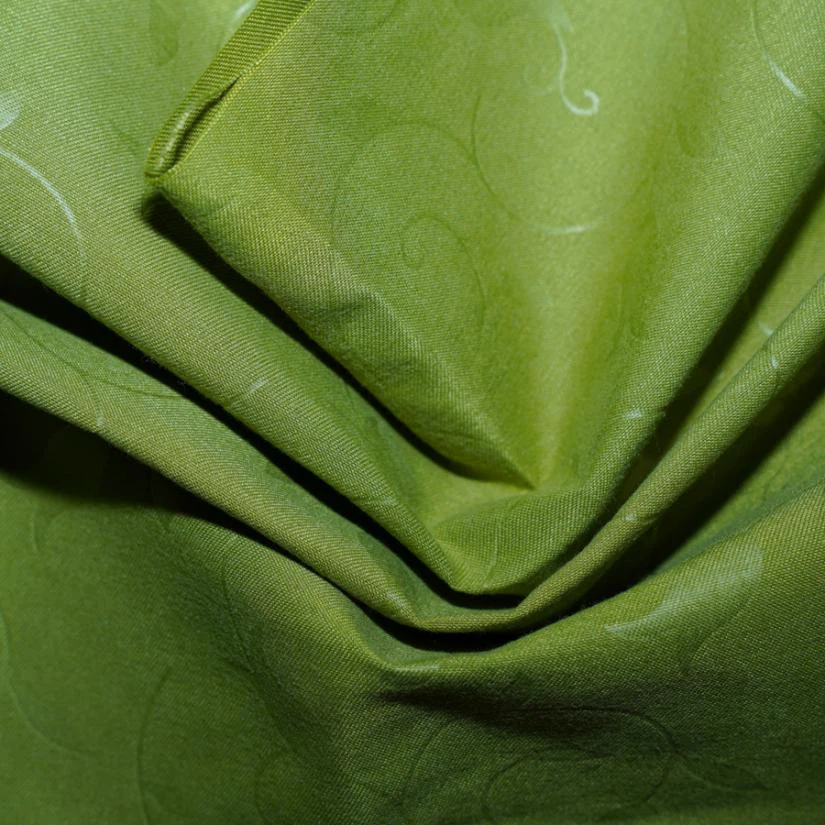
Hey there! As a supplier of pigment printed fabric, I've been getting a bunch of questions lately about the color stability of our products over time. It's a super important topic, especially if you're investing in high - quality printed fabrics for long - term use. So, I thought I'd sit down and write this blog to share what I know.
Let's start by understanding what pigment printing is. Pigment printing is a method where pigments are applied to the fabric surface using a binder. These pigments are basically tiny particles of color that stick to the fabric. It's a popular choice because it can be used on a wide variety of fabrics, including cotton, polyester, and blends. And when it comes to polyester, we've got some great options like Polyester Pigment Printed Fabric and 100% Polyester Pigment Printed Fabric. You can check out the processes involved in Pigment Printing On Polyester Fabric on our website.
Now, onto the big question: how stable are the colors in pigment printed fabric over time? Well, it depends on several factors.
Factors Affecting Color Stability
1. Quality of Pigments
The first thing that comes to mind is the quality of the pigments we use. High - quality pigments are made to resist fading, bleeding, and other color - related issues. They're formulated to be more durable and long - lasting. Cheaper pigments, on the other hand, might start to fade or change color after just a few washes or when exposed to sunlight. At our company, we always use top - notch pigments. We source them from reliable suppliers who have a proven track record of producing high - quality products. This ensures that our fabrics maintain their vibrant colors for a long time.
2. Binder Used
The binder is what holds the pigments to the fabric. A good binder will create a strong bond between the pigment and the fabric fibers, preventing the pigment from washing out or rubbing off. There are different types of binders available, and the choice depends on the type of fabric and the intended use of the printed fabric. For example, if the fabric is going to be used for outdoor applications, we need a binder that can withstand UV rays and weather conditions. We've done a lot of research and testing to find the best binders for our pigment printed fabrics, so you can be sure that the colors will stay put.
3. Fabric Type
Different fabrics have different properties, and these properties can affect the color stability of the printed fabric. For instance, polyester is a synthetic fabric that is known for its durability and resistance to fading. Pigment printing on polyester usually results in more color - stable fabrics compared to natural fibers like cotton. Cotton is more absorbent, which means it can hold more moisture. This moisture can sometimes cause the pigments to bleed or fade over time, especially if the fabric is not properly cared for. However, with the right printing techniques and post - treatment processes, we can achieve good color stability even on cotton fabrics.
4. Exposure to Environmental Factors
Sunlight, heat, humidity, and chemicals can all have an impact on the color stability of pigment printed fabric. Sunlight, in particular, is a major culprit. UV rays can break down the chemical bonds in the pigments, causing them to fade. If you're using our fabric for outdoor applications like awnings or patio furniture, it's important to take this into account. Heat and humidity can also affect the color. High temperatures can cause the binder to break down, and humidity can make the fabric more prone to mold and mildew, which can stain the fabric and affect the color. Chemicals like detergents, bleach, and solvents can also damage the pigments and the binder, leading to color loss.
Testing Color Stability
We don't just rely on our assumptions when it comes to color stability. We conduct a series of tests to ensure that our pigment printed fabrics meet the highest standards.
1. Wash Fastness Test
This test involves washing the printed fabric multiple times using a standard washing machine cycle. We use different types of detergents and water temperatures to simulate real - life washing conditions. After each wash, we check the fabric for color fading, bleeding, or any other color - related issues. We usually conduct at least 10 to 15 wash cycles to get a good idea of how the fabric will perform over time.
2. Light Fastness Test
In this test, we expose the printed fabric to artificial sunlight for a certain period of time. The light source is designed to mimic the UV rays in natural sunlight. We measure the color change of the fabric using a colorimeter before and after the exposure. This helps us determine how resistant the fabric is to fading caused by sunlight.
3. Rubbing Fastness Test
We use a rubbing tester to rub the printed fabric against a standard fabric. This simulates the friction that the fabric might experience during normal use, such as when it's being worn or when it comes into contact with other surfaces. We check for any color transfer from the printed fabric to the rubbing fabric.
Maintaining Color Stability
Even though our pigment printed fabrics are designed to be color - stable, there are some things you can do to extend the life of the colors.


1. Follow Care Instructions
We always provide care instructions with our fabrics. These instructions are based on the results of our tests and are designed to help you maintain the color and quality of the fabric. For example, we might recommend using a mild detergent, washing the fabric in cold water, and avoiding bleach.
2. Limit Sun Exposure
If possible, try to limit the exposure of the fabric to direct sunlight. You can use curtains or blinds to protect indoor fabrics, and for outdoor fabrics, you can use a shade structure.
3. Store Properly
When storing the fabric, make sure it's clean and dry. Fold it neatly and store it in a cool, dry place away from direct sunlight and moisture.
In conclusion, the color stability of pigment printed fabric over time is influenced by many factors, including the quality of pigments, the binder used, the fabric type, and environmental exposure. At our company, we take all these factors into account to ensure that our products offer excellent color stability. We've invested a lot in research and testing to make sure that our Polyester Pigment Printed Fabric and other products meet your expectations.
If you're interested in our pigment printed fabrics and want to discuss your specific requirements, we'd love to hear from you. Whether you're a clothing manufacturer, an interior designer, or just someone looking for high - quality printed fabric, we can work with you to find the perfect solution.
References
- Textile Chemistry and Coloration, Volume 1: Dyeing by Felix G. Rattee
- The Handbook of Textile and Apparel Testing by M. A. R. Khan