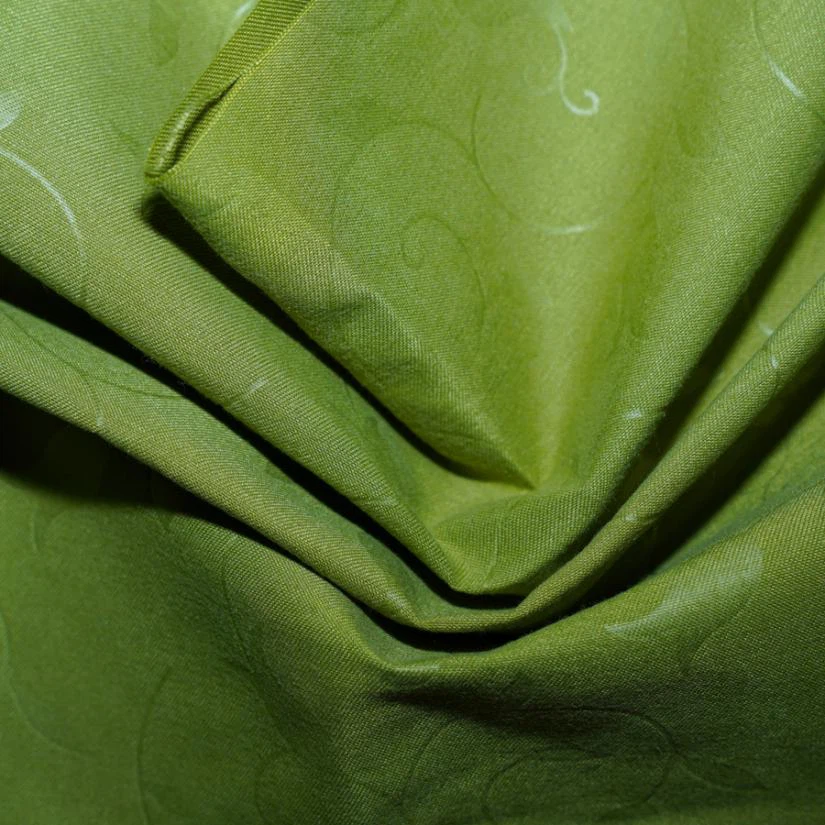
In the realm of textile manufacturing, pigment printed fabrics have emerged as a cornerstone of creativity and functionality. As a dedicated supplier of pigment printed fabric, I've witnessed firsthand the diverse applications and growing demand for these materials. One question that often arises in discussions with customers is about the antimicrobial property of pigment printed fabric. In this blog, we'll explore this topic in depth, shedding light on what it means, how it works, and its significance in various industries.
Understanding Pigment Printed Fabric
Before delving into the antimicrobial aspect, let's briefly understand what pigment printed fabric is. Pigment printing is a method of applying color to fabric using pigments, which are insoluble colorants. Unlike dyes that penetrate the fibers of the fabric, pigments sit on the surface of the fabric and are held in place by a binder. This process offers several advantages, including a wide range of color options, good color fastness, and the ability to print on a variety of fabric types, such as 100% Polyester Pigment Printed Fabric.
Pigment textile printing is a versatile technique that can be used to create intricate patterns, bold designs, and even realistic images on fabric. Whether it's for fashion apparel, home decor, or industrial applications, pigment printed fabrics are highly sought after for their aesthetic appeal and durability. To learn more about the process of Pigment Textile Printing, you can visit our website.
What are Antimicrobial Properties?
Antimicrobial properties refer to the ability of a material to inhibit the growth of microorganisms, such as bacteria, fungi, and viruses. In the context of pigment printed fabric, having antimicrobial properties means that the fabric can resist the colonization and proliferation of these harmful microbes. This is particularly important in applications where hygiene and cleanliness are crucial, such as healthcare settings, food processing environments, and sports apparel.
There are several ways in which a fabric can achieve antimicrobial properties. One common method is through the incorporation of antimicrobial agents during the manufacturing process. These agents can be added to the pigment formulation or applied as a post-treatment to the printed fabric. Another approach is to use natural fibers or fabrics that have inherent antimicrobial properties, such as bamboo or hemp, and then apply pigment printing on them.
How Do Antimicrobial Pigment Printed Fabrics Work?
Antimicrobial pigment printed fabrics work by either killing the microorganisms on contact or preventing their growth and reproduction. The antimicrobial agents used in these fabrics can have different modes of action, depending on their chemical composition. For example, some agents may disrupt the cell membrane of the microorganisms, causing them to leak essential nutrients and eventually die. Others may interfere with the metabolic processes of the microbes, inhibiting their ability to grow and multiply.
The effectiveness of an antimicrobial pigment printed fabric depends on several factors, including the type and concentration of the antimicrobial agent, the fabric type, and the printing process. It's important to note that not all antimicrobial agents are suitable for use in pigment printing, as they need to be compatible with the pigment and binder system. Additionally, the antimicrobial properties of the fabric may degrade over time due to factors such as washing, abrasion, and exposure to sunlight.
Benefits of Antimicrobial Pigment Printed Fabrics
The use of antimicrobial pigment printed fabrics offers several benefits, both for the end-users and the environment. Here are some of the key advantages:
Hygiene and Health
In healthcare settings, antimicrobial fabrics can help reduce the risk of cross-contamination and the spread of infections. They can be used for hospital gowns, bed linens, and curtains, providing a protective barrier against harmful microbes. In food processing environments, antimicrobial fabrics can prevent the growth of bacteria and fungi on surfaces, ensuring the safety and quality of the food products.
Odor Control
Microorganisms can produce unpleasant odors when they grow on fabric. Antimicrobial fabrics can help control these odors by inhibiting the growth of odor-causing bacteria. This is particularly beneficial in sports apparel and activewear, where sweat and moisture can create a breeding ground for microbes.
Durability
Antimicrobial agents can also help protect the fabric from damage caused by microbial growth. By preventing the degradation of the fabric fibers, these agents can extend the lifespan of the fabric and maintain its appearance and performance over time.
Environmental Sustainability
Using antimicrobial pigment printed fabrics can reduce the need for frequent washing and the use of harsh chemicals, which can have a negative impact on the environment. Additionally, some antimicrobial agents are derived from natural sources, making them a more sustainable alternative to synthetic chemicals.
Applications of Antimicrobial Pigment Printed Fabrics
Antimicrobial pigment printed fabrics have a wide range of applications in various industries. Here are some of the common uses:
Healthcare
As mentioned earlier, antimicrobial fabrics are widely used in healthcare settings for a variety of applications, including hospital gowns, surgical drapes, and patient bedding. These fabrics can help prevent the spread of infections and improve the overall hygiene of the healthcare environment.
Food Processing
In the food processing industry, antimicrobial fabrics are used for conveyor belts, aprons, and gloves. They can help prevent the contamination of food products by bacteria and fungi, ensuring the safety and quality of the food.
Fashion and Apparel
Antimicrobial pigment printed fabrics are increasingly being used in the fashion industry, especially in sportswear and activewear. These fabrics can provide a comfortable and hygienic wearing experience, even during intense physical activities.
Home Decor
In home decor, antimicrobial fabrics can be used for curtains, upholstery, and bedding. They can help keep the home environment clean and fresh, reducing the risk of allergies and respiratory problems.
Considerations for Choosing Antimicrobial Pigment Printed Fabrics
When choosing antimicrobial pigment printed fabrics, there are several factors to consider. Here are some of the key points to keep in mind:
Antimicrobial Efficacy
It's important to choose a fabric that has been tested and proven to be effective against a wide range of microorganisms. Look for fabrics that have been certified by independent testing laboratories, such as the American Association of Textile Chemists and Colorists (AATCC) or the International Organization for Standardization (ISO).


Compatibility with Printing Process
Make sure that the antimicrobial agent is compatible with the pigment and binder system used in the printing process. This will ensure that the fabric retains its antimicrobial properties and its print quality over time.
Durability
Consider the durability of the antimicrobial properties of the fabric. Some fabrics may lose their effectiveness after a few washes, while others can maintain their antimicrobial properties for a longer period. Look for fabrics that have been designed to withstand multiple washes and have good color fastness.
Cost
Antimicrobial pigment printed fabrics may be more expensive than regular fabrics. However, the benefits they offer in terms of hygiene, durability, and odor control may outweigh the additional cost. It's important to evaluate the cost-benefit ratio based on your specific needs and requirements.
Conclusion
In conclusion, the antimicrobial property of pigment printed fabric is an important feature that offers numerous benefits in various applications. As a supplier of pigment printed fabric, we understand the importance of providing high-quality products that meet the needs of our customers. Whether you're looking for antimicrobial fabrics for healthcare, food processing, fashion, or home decor, we have a wide range of options to choose from.
If you're interested in learning more about our Pigment Printing On Polyester Fabric or our other pigment printed fabric products, please don't hesitate to contact us. Our team of experts is ready to assist you with your inquiries and help you find the perfect fabric for your project. We look forward to the opportunity to work with you and provide you with the best possible solutions.
References
- American Association of Textile Chemists and Colorists (AATCC). (20XX). Test methods for antimicrobial textiles.
- International Organization for Standardization (ISO). (20XX). Standards for antimicrobial materials and products.
- Textile Research Journal. (20XX). Studies on the antimicrobial properties of pigment printed fabrics.