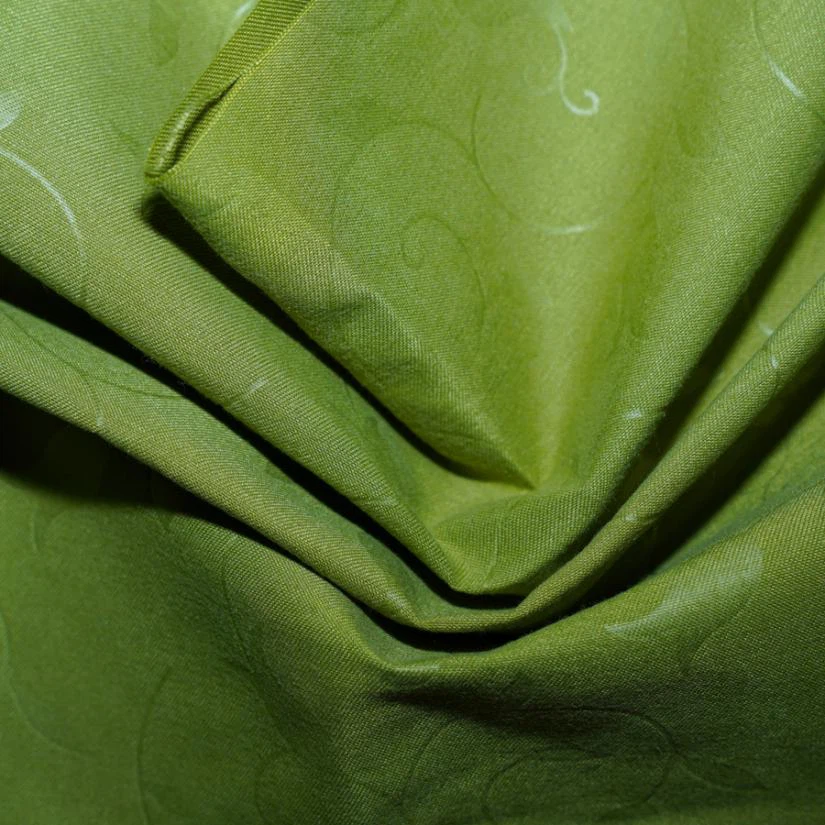
As a supplier of Embossed White Fabric, I often get asked about the anti-pilling property of our products. Pilling is a common issue in fabrics, which can significantly affect the appearance and durability of the material. In this blog post, I will delve into what the anti-pilling property of embossed white fabric is, how it is achieved, and why it matters.
Understanding Pilling
Before we discuss the anti-pilling property, it's important to understand what pilling is. Pilling occurs when short fibers on the surface of a fabric become loose and entangle with each other, forming small balls or "pills." This is typically caused by friction, such as rubbing against other surfaces during normal use, washing, or drying. Fabrics made from natural fibers like wool are more prone to pilling, but synthetic fibers can also experience this problem.
Anti-Pilling Property of Embossed White Fabric
The anti-pilling property of embossed white fabric refers to its ability to resist the formation of pills. Our embossed white fabric is designed to minimize pilling, ensuring that it maintains its smooth and clean appearance over time. This is achieved through a combination of factors, including the choice of fibers, the fabric construction, and the finishing processes.
Fiber Selection
One of the key factors in achieving anti-pilling properties is the selection of fibers. We use high-quality synthetic fibers, such as polyester, in our embossed white fabric. Polyester fibers are known for their strength and durability, which makes them less likely to break and form pills. Additionally, polyester fibers have a smooth surface, which reduces friction and the likelihood of fiber entanglement.
Our Polyester Embossed Microfiber Fabric is a prime example of how fiber selection can contribute to anti-pilling properties. Microfiber polyester has an even finer diameter than regular polyester fibers, which further enhances its smoothness and resistance to pilling.
Fabric Construction
The way the fabric is constructed also plays a crucial role in its anti-pilling performance. We use advanced weaving and knitting techniques to create a tight and stable fabric structure. This helps to hold the fibers in place and prevents them from becoming loose and forming pills.
For example, our Embossed Polyester Fabric is woven using a specific pattern that enhances its durability and anti-pilling properties. The tight weave structure reduces the movement of fibers within the fabric, minimizing the risk of pilling.
Finishing Processes
In addition to fiber selection and fabric construction, we also use special finishing processes to improve the anti-pilling property of our embossed white fabric. These processes can include treatments that smooth the surface of the fibers, reduce static electricity, and enhance the fabric's resistance to abrasion.
One common finishing process is the application of a anti-pilling agent. This agent coats the fibers and helps to prevent them from breaking and forming pills. Another process is heat setting, which can help to stabilize the fabric structure and reduce the likelihood of fiber movement.
Benefits of Anti-Pilling Property
The anti-pilling property of our embossed white fabric offers several benefits for our customers.
Aesthetic Appeal
Pilling can make a fabric look worn and shabby, even if it is relatively new. By choosing an anti-pilling fabric, customers can ensure that their products maintain a clean and professional appearance for a longer period of time. Our embossed white fabric is perfect for applications where appearance is important, such as home decor, fashion, and upholstery.
Durability
Anti-pilling fabrics are more durable than fabrics that are prone to pilling. Since the fibers are less likely to break and form pills, the fabric can withstand more wear and tear without losing its integrity. This means that products made from our embossed white fabric will last longer and provide better value for money.
Ease of Maintenance
Fabrics that are prone to pilling often require special care and maintenance to keep them looking their best. This can include gentle washing, avoiding high-speed drying, and using fabric softeners. In contrast, anti-pilling fabrics are easier to care for and can be washed and dried using normal household methods. This makes them a convenient choice for busy consumers.
Testing and Quality Assurance
As a responsible supplier, we take the anti-pilling property of our embossed white fabric very seriously. We conduct rigorous testing to ensure that our fabrics meet the highest standards of quality and performance.
Our testing methods include abrasion testing, which simulates the wear and tear that the fabric may experience during normal use. We also use pilling testing machines to evaluate the fabric's resistance to pilling. By subjecting our fabrics to these tests, we can identify any potential issues and make necessary adjustments to our manufacturing processes.
In addition to in-house testing, we also work with independent testing laboratories to verify the anti-pilling properties of our fabrics. This ensures that our products are reliable and meet the expectations of our customers.


Conclusion
The anti-pilling property of our embossed white fabric is a result of careful fiber selection, advanced fabric construction, and special finishing processes. This property offers several benefits, including aesthetic appeal, durability, and ease of maintenance. As a supplier, we are committed to providing high-quality fabrics that meet the needs of our customers.
If you are interested in learning more about our embossed white fabric or would like to discuss a potential purchase, please feel free to contact us. We look forward to working with you to find the perfect fabric solution for your project.
References
- Textile Institute. (2023). Handbook of Textile Fibre Structure. Woodhead Publishing.
- ASTM International. (2023). Standard Test Method for Pilling Resistance and Other Related Surface Changes of Textile Fabrics: Random Tumble Pilling Tester. ASTM D3512.