Hey there! I'm a supplier of bleached fabric, and I've seen it all when it comes to the ins and outs of fabric bleaching. Today, I want to chat about the signs of over - bleaching fabric. It's a crucial topic, especially if you're in the market for high - quality bleached fabric like Bed Linen Fabric, Polyester Bleached Fabric, or Polyester Sheet Fabric.
First off, let's understand what over - bleaching is. Bleaching is a process used to whiten or lighten fabric. It involves using chemicals, usually bleach, to break down the natural pigments in the fabric. But when too much bleach is used or the fabric is exposed to bleach for too long, over - bleaching occurs.
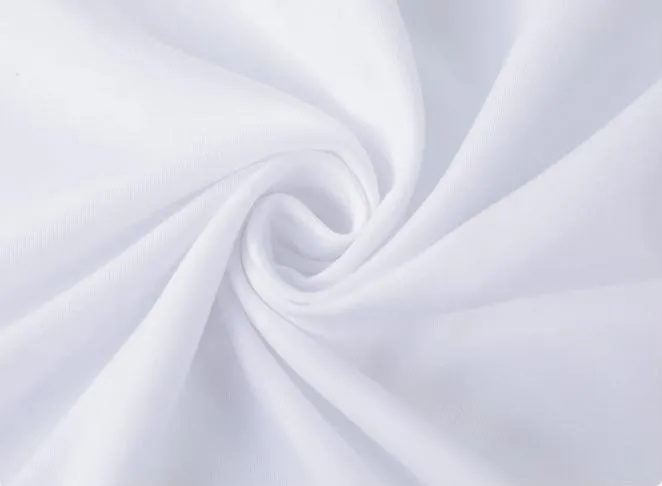

One of the most obvious signs of over - bleached fabric is color change. If you're aiming for a pure white fabric, over - bleaching can actually turn it yellowish. This is because the harsh chemicals in the bleach can start to break down the fabric fibers at a molecular level, causing discoloration. Instead of the bright, clean white you were hoping for, you end up with a dull, off - white or yellowish tint. It's a real bummer, especially if you're using the fabric for something like bed linens where a crisp white look is essential.
Another tell - tale sign is fabric weakness. Over - bleached fabric becomes significantly weaker. You might notice that it tears more easily. When you pull on the fabric gently, it may start to fray at the edges. This is because the bleach has damaged the internal structure of the fibers. For example, if you're using polyester bleached fabric for a project that requires durability, like making outdoor cushions, an over - bleached fabric won't hold up well. It could rip after just a few uses, which is definitely not what you want as a consumer or a business owner.
The texture of the fabric also changes when it's over - bleached. Normally, a well - bleached fabric should have a smooth and soft feel. But over - bleaching can make it rough and scratchy. It loses its natural softness and becomes more like a coarse, grainy material. If you run your hand over the fabric, you can feel the difference immediately. This is a major issue, especially for fabrics that are meant to be in contact with the skin, like bed linen fabric. No one wants to sleep on scratchy sheets!
Odor is another factor. Over - bleached fabric often retains a strong, chemical smell. Even after multiple washes, the unpleasant odor can linger. This is because the excess bleach is still present in the fabric fibers. It's not only unpleasant but can also be a health concern, especially for people with sensitive skin or respiratory issues. If you're selling bleached fabric, a fabric with a strong chemical odor is a huge turn - off for customers.
Now, let's talk about how to avoid over - bleaching. As a supplier, I always recommend following the manufacturer's instructions when it comes to bleaching. Different fabrics require different bleach concentrations and exposure times. For example, natural fibers like cotton can generally tolerate more bleach than synthetic fibers like polyester. So, if you're bleaching a blend fabric, you need to be extra careful.
It's also a good idea to do a test patch first. Take a small piece of the fabric and bleach it using the same method you plan to use for the whole batch. This way, you can see how the fabric reacts before you commit to bleaching the entire piece. If the test patch shows signs of over - bleaching, you can adjust your process accordingly.
As a bleached fabric supplier, I take great pride in providing high - quality products. I understand the importance of getting the bleaching process right. That's why I have a strict quality control system in place. We test every batch of fabric to ensure that it meets our standards. We check for color, strength, texture, odor, and other factors to make sure that the fabric is perfectly bleached.
If you're in the market for bleached fabric, whether it's Bed Linen Fabric, Polyester Bleached Fabric, or Polyester Sheet Fabric, I'd love to have a chat with you. I can offer you fabrics that are bleached to perfection, without the issues of over - bleaching. Whether you're a small business owner looking to source fabric for your products or a DIY enthusiast working on a home project, I've got you covered.
Contact me if you're interested in discussing your bleached fabric needs. We can talk about the specific requirements of your project, the quantity you need, and the best type of fabric for your purpose. I'm here to make sure you get the highest quality bleached fabric at a great price.
In conclusion, being aware of the signs of over - bleached fabric is crucial. It helps you make informed decisions as a consumer and allows you to provide better products as a business. By avoiding over - bleaching, you can ensure that your fabric looks great, feels great, and lasts a long time. So, if you're in the market for bleached fabric, don't hesitate to reach out. I'm ready to help you find the perfect fabric for your needs.
References:
- Textile Chemistry Handbook
- Fabric Manufacturing and Finishing Guide
- Consumer Reports on Textile Products