


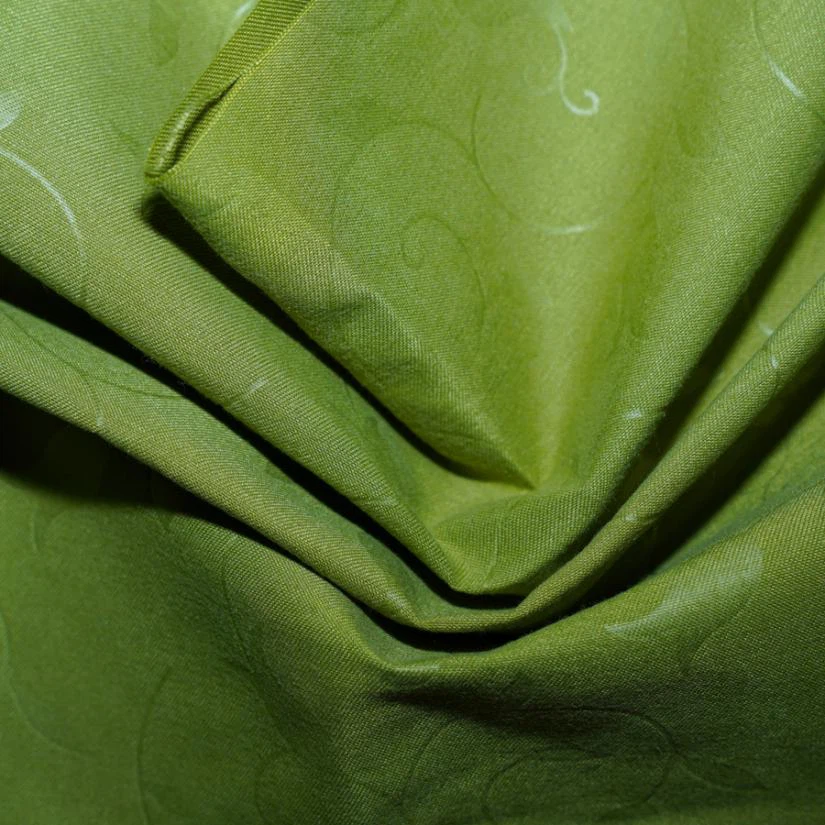
As a supplier of embossed fabric, I've witnessed firsthand the complex interplay of factors that influence its price. Embossed fabric, known for its raised patterns and decorative appeal, is used in a wide range of industries, from fashion to home decor. Understanding the elements that affect its cost is crucial for both suppliers like me and customers looking to make informed purchasing decisions.

Raw Material Costs
The foundation of any fabric's price lies in its raw materials. Embossed fabric can be made from various fibers, each with its own cost profile. For instance, natural fibers such as cotton and silk are generally more expensive than synthetic fibers like polyester. Cotton, especially high - quality organic cotton, is in high demand due to its softness, breathability, and eco - friendliness. However, factors like weather conditions, pests, and global demand can cause significant fluctuations in cotton prices.
Silk, on the other hand, is a luxury fiber. The process of cultivating silkworms and extracting silk is labor - intensive and time - consuming, which drives up its cost. In contrast, synthetic fibers like polyester are more affordable. Polyester is made from petrochemicals, and its production is highly scalable. It offers durability, wrinkle - resistance, and is often used in mass - produced embossed fabrics. For example, Embossed Polyester Fabric is a popular choice for many applications because of its cost - effectiveness.
The quality of the raw material also matters. Higher - grade fibers may have better colorfastness, strength, and texture, which can result in a more premium embossed fabric. For instance, Polyester Embossed Microfiber Fabric uses fine - denier polyester fibers that offer a soft and smooth feel, often commanding a higher price than standard polyester embossed fabrics.
Manufacturing Process
The embossing process itself is a significant factor in determining the price of embossed fabric. There are different methods of embossing, including mechanical embossing and chemical embossing.
Mechanical embossing involves passing the fabric through engraved rollers. The cost of these rollers can be substantial, especially if they are custom - made for a specific pattern. The complexity of the pattern also affects the cost. Intricate and detailed patterns require more precise engraving on the rollers, which can increase the manufacturing cost. Additionally, the wear and tear on the rollers over time may necessitate replacement, adding to the overall production cost.
Chemical embossing, on the other hand, uses chemicals to create the raised patterns. This method can be more expensive due to the cost of the chemicals and the specialized equipment required for the process. Chemical embossing can offer more flexibility in terms of pattern design, but it also requires strict quality control to ensure consistent results.
The production volume also plays a role. Mass - producing embossed fabric can lead to economies of scale, reducing the per - unit cost. Small - batch production, on the other hand, is more expensive because the fixed costs associated with setting up the manufacturing process are spread over a smaller number of units.
Design and Pattern
The design and pattern of the embossed fabric are key determinants of its price. Unique and custom - designed patterns are often more expensive than standard, off - the - shelf designs. Designers may need to invest time and resources in creating a new pattern, and the cost of this design work is passed on to the customer.
Popular and trendy patterns can also command a higher price. For example, during certain seasons or fashion trends, specific floral or geometric patterns may be in high demand. Fabrics with these trendy patterns are likely to be priced higher as they are more marketable.
Moreover, the color of the embossed fabric can influence its cost. Embossed White Fabric may be more expensive if it requires special bleaching or dyeing processes to achieve a pure, consistent white color. Colored embossed fabrics also need high - quality dyes to ensure good colorfastness, which can add to the production cost.
Quality and Finish
The quality and finish of the embossed fabric are important considerations for both suppliers and customers. A high - quality embossed fabric should have a well - defined pattern, good colorfastness, and a smooth surface.
Quality control measures during the manufacturing process are essential to ensure these standards are met. This may involve multiple inspections, testing for colorfastness, abrasion resistance, and other properties. Fabrics that pass rigorous quality control tests are likely to be priced higher as they offer better performance and durability.
The finish of the fabric can also affect its price. Some embossed fabrics may undergo additional treatments such as waterproofing, fire - retardant treatment, or anti - microbial treatment. These treatments add value to the fabric but also increase the production cost.
Market Demand and Supply
Like any other product, the price of embossed fabric is influenced by market demand and supply. When the demand for embossed fabric is high, for example, during the peak season for home decor or fashion shows, prices tend to rise. Conversely, when there is an oversupply of embossed fabric in the market, prices may drop as suppliers compete for customers.
Global economic conditions can also impact the market for embossed fabric. During economic downturns, consumers may cut back on non - essential purchases, leading to a decrease in demand for high - end embossed fabrics. On the other hand, in a growing economy, there may be more demand for luxury and decorative fabrics, which can drive up prices.
Transportation and Logistics
The cost of transporting embossed fabric from the manufacturing facility to the customer is another factor that affects its price. If the fabric is produced overseas and needs to be shipped to a different country, logistics costs such as shipping fees, customs duties, and insurance can add a significant amount to the final price.
The volume and weight of the fabric being shipped also matter. Larger orders may benefit from bulk shipping discounts, while smaller orders may have a relatively higher per - unit transportation cost.
Labor Costs
Labor costs are an important part of the production cost of embossed fabric. In regions where labor is more expensive, such as Western Europe and North America, the price of embossed fabric produced in these areas is likely to be higher. On the other hand, countries with lower labor costs, such as some Southeast Asian countries, can offer more competitively priced embossed fabrics.
The skill level of the labor force also affects the cost. Highly skilled workers are required for tasks such as roller engraving, pattern design, and quality control. The cost of hiring and training these skilled workers is factored into the price of the embossed fabric.
In conclusion, the price of embossed fabric is influenced by a multitude of factors, from raw material costs and manufacturing processes to market demand and transportation. As a supplier, I strive to offer high - quality embossed fabrics at competitive prices. If you are interested in purchasing embossed fabric for your business or project, I encourage you to contact me for a detailed discussion. I can provide you with more information about our product range, pricing, and customization options. Let's work together to find the perfect embossed fabric solution for your needs.
References
- Textile Manufacturing Handbook: Covers various aspects of fabric production, including embossing techniques and cost analysis.
- Fashion and Textile Market Reports: Provides insights into market demand, trends, and price fluctuations for embossed fabrics.
- Raw Material Industry Journals: Offers information on the cost and availability of different fibers used in embossed fabric production.


