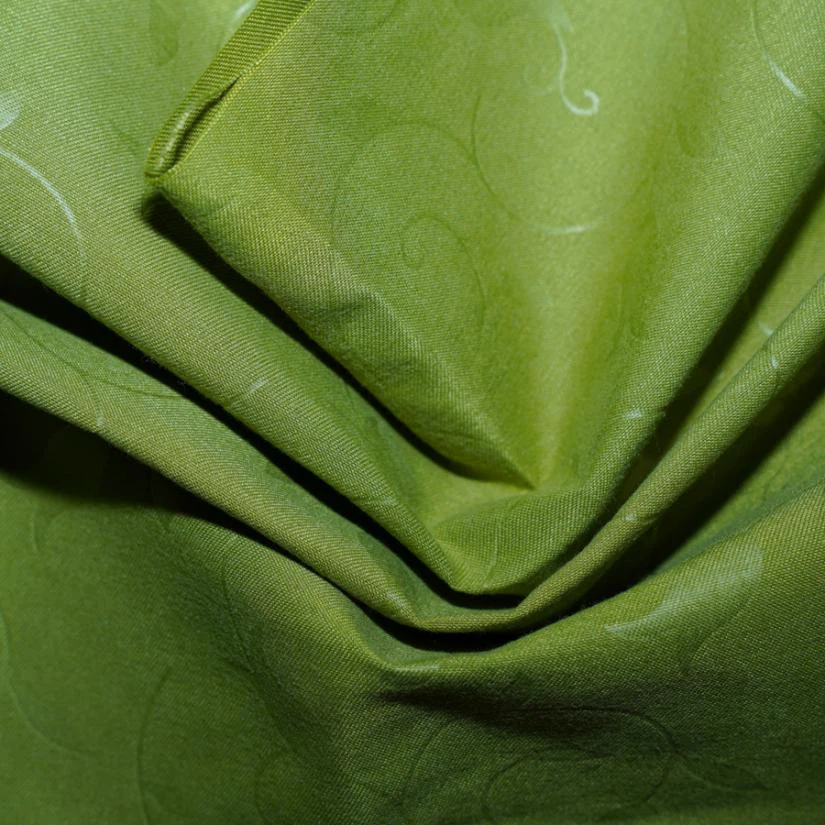
As a supplier of seersucker dyed fabric, I've had the privilege of working closely with this unique material. Seersucker, known for its distinctive puckered texture and breathability, has long been a favorite in the textile industry, especially for summer clothing and bedding. However, like any product, it comes with its share of disadvantages. In this blog post, I'll delve into some of the drawbacks of seersucker dyed fabric that both manufacturers and consumers should be aware of.
Colorfastness Issues
One of the most significant disadvantages of seersucker dyed fabric is its potential for poor colorfastness. Colorfastness refers to the ability of a fabric to retain its color when exposed to various conditions such as washing, sunlight, and friction. Seersucker fabric, due to its unique weaving process and the nature of the dyes used, can sometimes experience color bleeding or fading.
When seersucker fabric is dyed, the dyes may not penetrate the fibers evenly, especially in the puckered areas. This uneven dye distribution can lead to color variations within the fabric, which become more apparent after washing. Additionally, the dyes used in seersucker fabric may not be as resistant to sunlight as some other fabrics. Exposure to direct sunlight for extended periods can cause the colors to fade, resulting in a less vibrant appearance over time.
For example, if you have a brightly colored Polyester Seersucker garment and you wear it outdoors frequently, you may notice that the color starts to dull after a few weeks. This can be a disappointment for consumers who expect their clothing to maintain its original color for a longer period.
Shrinkage and Distortion
Another drawback of seersucker dyed fabric is its tendency to shrink and distort during washing and drying. The puckered texture of seersucker fabric is created through a special weaving process that involves alternating rows of slack and tight threads. When the fabric is exposed to water and heat, these threads can contract and expand unevenly, causing the fabric to shrink and lose its shape.
Even if the fabric is pre - shrunk during the manufacturing process, there is still a risk of additional shrinkage. This can be a problem for consumers who purchase seersucker clothing or Seersucker Fabric for Bedding and expect it to fit properly after washing. A shirt that fits perfectly before washing may become too small or misshapen after a few washes, rendering it unwearable.
Moreover, the distortion of the puckered texture can also affect the overall aesthetic appeal of the fabric. The distinctive look of seersucker is part of its charm, but if the puckers become uneven or flattened due to shrinkage, the fabric loses its unique visual appeal.
Limited Durability
Seersucker dyed fabric may also have limited durability compared to some other fabrics. The puckered areas of the fabric are more prone to wear and tear, especially in high - friction areas such as the elbows and knees of clothing. Over time, the threads in these areas can break, leading to holes or fraying.
The dyes used in seersucker fabric can also contribute to its reduced durability. Some dyes may weaken the fabric fibers, making them more susceptible to damage. This is particularly true for fabrics that are dyed with low - quality dyes or that undergo a harsh dyeing process.


For instance, a Polyester Seersucker Fabric used for a child's play clothes may not withstand the rough and tumble of daily activities as well as a more durable fabric. Parents may find that the seersucker fabric starts to show signs of wear after just a few weeks of use.
Care Requirements
Seersucker dyed fabric often has specific care requirements that can be inconvenient for consumers. To maintain the colorfastness, shape, and overall quality of the fabric, it usually needs to be washed and dried carefully.
Most seersucker fabrics should be washed in cold water with a gentle detergent to minimize the risk of color bleeding and shrinkage. They also need to be dried on a low - heat setting or air - dried to prevent excessive heat from causing damage. Ironing seersucker fabric can be tricky as well. High heat can flatten the puckered texture, so it's important to use a low - heat setting and iron on the reverse side of the fabric.
These care instructions can be a hassle for busy consumers who prefer low - maintenance fabrics. For example, if you have a seersucker suit that you need to wear for a business meeting, you may not have the time to follow all the detailed care instructions between wears.
Environmental Impact
The dyeing process used for seersucker fabric can have a significant environmental impact. Dyeing textiles requires large amounts of water, energy, and chemicals. Many of the dyes used in the textile industry are derived from synthetic chemicals that can be harmful to the environment if not properly managed.
The wastewater generated during the dyeing process often contains high levels of pollutants, including heavy metals and toxic chemicals. If this wastewater is not treated effectively, it can contaminate water sources and harm aquatic life. Additionally, the energy used in the dyeing and finishing processes contributes to greenhouse gas emissions, which have a negative impact on the environment.
As a supplier, I'm aware of the need to address these environmental concerns. We are constantly exploring more sustainable dyeing methods and materials to reduce our environmental footprint. However, it's still an issue that consumers should be aware of when choosing seersucker dyed fabric.
Conclusion
While seersucker dyed fabric has many appealing qualities, such as its unique texture and breathability, it also has several disadvantages. Colorfastness issues, shrinkage and distortion, limited durability, specific care requirements, and environmental impact are all factors that both manufacturers and consumers need to consider.
Despite these drawbacks, seersucker fabric remains a popular choice in the textile industry. At our company, we are committed to providing high - quality seersucker dyed fabric that minimizes these disadvantages as much as possible. We use advanced dyeing techniques and quality control processes to ensure the best possible performance of our products.
If you're interested in learning more about our seersucker dyed fabric or would like to discuss a potential purchase, we encourage you to reach out to us. We're always happy to engage in a conversation about how our fabric can meet your specific needs. Whether you're a fashion designer looking for the perfect fabric for your next collection or a consumer in search of comfortable and stylish bedding, we're here to assist you.
References
- Textile Institute. "Handbook of Textile Technology: Dyeing and Finishing." Woodhead Publishing, 2018.
- Environmental Protection Agency. "Textile Industry Pollution Prevention and Control." EPA Publications, 2020.