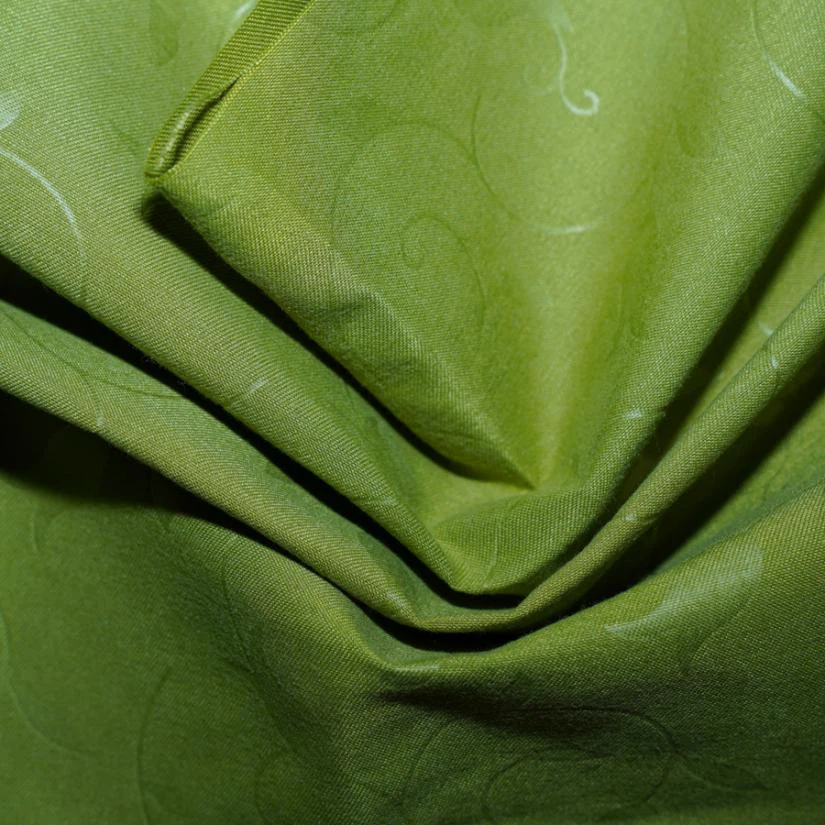
As a supplier of Pigment Textile Printing, I've had the privilege of witnessing the unique characteristics and differences between hand - printed and machine - printed pigment textile products up close. In this blog, I'll explore these differences in various aspects, from production processes to end - product qualities.
Production Process
Hand - printed Pigment Textile Products
Hand - printing is an age - old art form that involves a high level of craftsmanship. The process begins with the design concept. Artisans meticulously sketch and plan the pattern on paper, considering factors such as color harmony, motif placement, and overall aesthetic appeal.
Once the design is finalized, a printing block or a stencil is created. The block is usually made of wood or linoleum, and the stencil can be crafted from materials like paper or plastic. The pigment is then mixed to achieve the desired color. This is a crucial step as the hand - mixer has to ensure the consistency and intensity of the color.
The artisan then dips the block or applies the stencil onto the textile, carefully pressing and rolling to transfer the pigment evenly. Each print is a manual operation, and the pressure, angle, and speed of the application can vary slightly from one print to another. This variability is what gives hand - printed textiles their unique charm. It may take several hours or even days to complete a single large - scale piece, depending on the complexity of the design.
Machine - printed Pigment Textile Products
Machine - printing, on the other hand, is a highly automated and efficient process. The design is first digitized using specialized software. This digital design can be easily replicated and adjusted as needed.
There are different types of machines used in pigment textile printing, such as rotary screen printing machines and digital printing machines. In rotary screen printing, a series of cylindrical screens are used. Each screen corresponds to a different color in the design. The screens rotate continuously, and the pigment is forced through the mesh of the screens onto the textile as it passes beneath.
Digital printing machines work by spraying tiny droplets of pigment onto the fabric according to the digital design. This method allows for high - precision printing and can reproduce extremely detailed and complex patterns. Machine - printing can produce a large number of identical prints in a relatively short time. For example, a modern rotary screen printing machine can print hundreds of meters of fabric per hour.
Quality and Aesthetics
Hand - printed Pigment Textile Products
One of the most significant advantages of hand - printed pigment textile products is their uniqueness. No two hand - printed pieces are exactly the same. The slight variations in the pigment application create a sense of authenticity and individuality. This makes hand - printed textiles highly sought after for high - end fashion items, art pieces, and limited - edition products.
The colors in hand - printed textiles often have a rich, organic look. Since the pigment is applied manually, it can blend and interact with the fabric fibers in a more natural way. The edges of the printed motifs may be slightly irregular, adding to the handmade aesthetic. However, hand - printing may also have some limitations in terms of precision. It can be challenging to achieve perfectly sharp lines and consistent color saturation across a large area.
Machine - printed Pigment Textile Products
Machine - printed textiles offer a high level of precision and consistency. The digital control of the printing process ensures that each print is an exact replica of the design. This makes machine - printed products ideal for mass - market items, such as bedding, curtains, and casual clothing, where uniformity is important.
Machine - printing can also achieve very sharp lines and detailed patterns. Digital printing, in particular, can reproduce photographic - quality images on fabric. The color accuracy is often very high, and the colors can be matched precisely to a specific color standard. However, some people may argue that machine - printed textiles lack the warmth and character of hand - printed ones.
Cost and Efficiency
Hand - printed Pigment Textile Products
Hand - printing is a labor - intensive process, which means it is generally more expensive than machine - printing. The cost of materials, including high - quality pigments and hand - crafted printing blocks, also adds to the overall expense. Additionally, the slow production speed makes it less suitable for large - scale orders.
However, for small - batch or custom - made products, hand - printing can be a cost - effective option. The ability to create unique designs without the need for expensive setup costs for machinery can be an advantage. For example, a designer who wants to create a limited run of 10 - 20 pieces of a custom - printed scarf may find hand - printing to be a viable and affordable solution.
Machine - printed Pigment Textile Products
Machine - printing is more cost - effective for large - scale production. The initial investment in machinery is high, but once the setup is done, the cost per unit decreases significantly as the volume of production increases. The fast production speed also means that manufacturers can meet tight deadlines and supply large quantities of products to the market.
However, for small - batch orders, machine - printing may not be the most economical choice. The setup time and cost for preparing the digital design and calibrating the machines can be relatively high compared to the number of items produced.


Environmental Impact
Hand - printed Pigment Textile Products
Hand - printing generally uses less energy compared to machine - printing. Since it is a manual process, there is no need for large - scale machinery that consumes electricity. Additionally, hand - printing often uses natural or low - chemical pigments, which are more environmentally friendly. The amount of waste generated is also relatively low, as the printing is done in a more controlled and precise manner.
However, the sourcing of materials for hand - printing, such as wood for printing blocks, needs to be sustainable to minimize the environmental impact.
Machine - printed Pigment Textile Products
Machine - printing can have a higher environmental impact, especially in large - scale operations. The energy consumption of printing machines, especially high - speed digital printers, can be significant. The chemicals used in the pigment formulation and the cleaning of the machines also contribute to environmental pollution.
On the other hand, some modern machine - printing technologies are becoming more environmentally friendly. For example, water - based pigments are being increasingly used, which reduce the emission of volatile organic compounds (VOCs).
Market Demand
Hand - printed Pigment Textile Products
The market for hand - printed pigment textile products is mainly in the high - end and niche markets. Consumers who appreciate artisanal craftsmanship, uniqueness, and quality are willing to pay a premium for these products. Hand - printed textiles are often used in luxury fashion brands, home decor items for high - end hotels and restaurants, and art galleries.
For example, a hand - printed silk scarf from a well - known designer can sell for several hundred dollars. The exclusivity and the story behind the handmade process add value to the product.
Machine - printed Pigment Textile Products
Machine - printed pigment textile products have a much broader market appeal. They are widely used in the mass - market clothing industry, home textile industry, and promotional products. The affordability and consistency of machine - printed products make them accessible to a large number of consumers.
For instance, Pigment Printed Polyester Bedsheet Fabric and Polyester Pigment Printed Fabric are commonly used in the production of everyday bedding and clothing items.
Conclusion
In conclusion, both hand - printed and machine - printed pigment textile products have their own unique advantages and disadvantages. Hand - printed textiles offer authenticity, uniqueness, and a personal touch, but they are more expensive and less efficient for large - scale production. Machine - printed textiles, on the other hand, provide precision, consistency, and cost - effectiveness for mass - market products.
As a supplier of Pigment Textile Printing, I understand the diverse needs of our customers. Whether you are looking for a one - of - a - kind hand - printed piece for a special project or a large quantity of machine - printed products for your business, we can provide customized solutions to meet your requirements. If you are interested in our products or have any questions about pigment textile printing, please feel free to contact us for further discussion and procurement negotiation.
References
- Textile Printing Technology: Principles and Practice, by John Shuttleworth
- Handbook of Textile and Industrial Dyeing, edited by M. M. Rahman