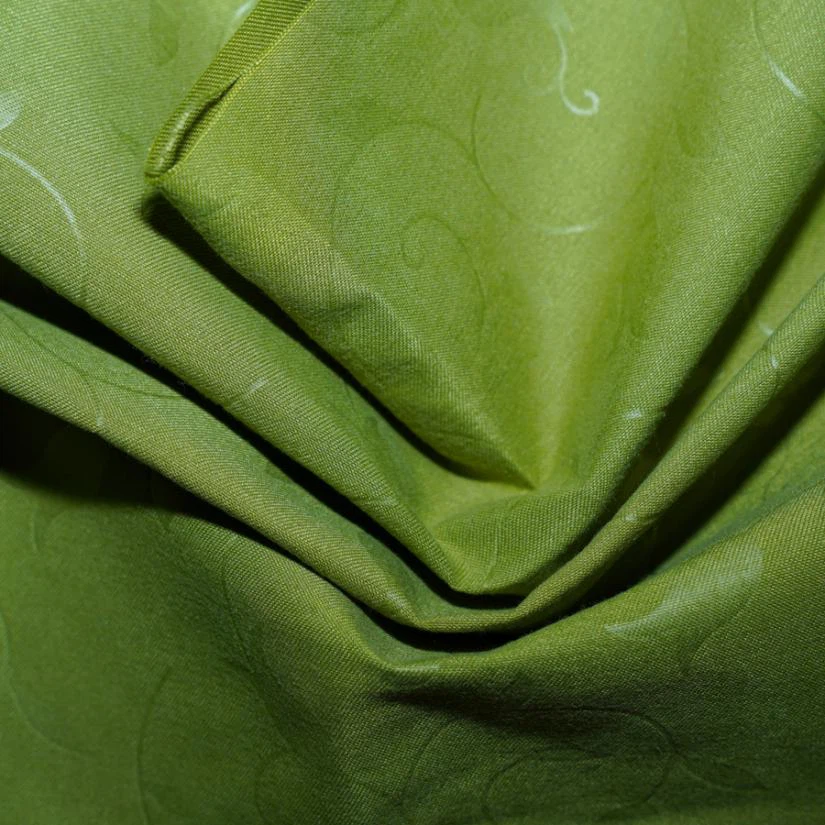
As a seasoned dyed fabric supplier, I've witnessed firsthand the distinct characteristics and applications of different types of dyes. Among them, direct dyes and vat dyes stand out as two popular choices in the textile industry. In this blog, I'll delve into the differences between these two dye types, exploring their properties, application processes, and end - results.
Chemical Composition and Structure
Direct dyes are water - soluble anionic dyes. They have a relatively simple chemical structure, typically consisting of long - chain molecules with sulfonic acid groups. These sulfonic acid groups make the dyes soluble in water, allowing them to be easily applied to the fabric. The dye molecules are attracted to the fabric fibers through van der Waals forces and hydrogen bonding.
On the other hand, vat dyes are insoluble in water in their original form. They are usually complex polycyclic compounds. Vat dyes need to undergo a reduction process to become soluble and capable of dyeing the fabric. During the reduction process, the insoluble vat dye is converted into a soluble leuco form, which can then penetrate the fabric fibers. After dyeing, an oxidation step is required to convert the leuco form back to the insoluble original form, which is firmly fixed in the fabric.
Dyeing Process
The dyeing process for direct dyes is relatively straightforward. Since they are water - soluble, they can be applied directly to the fabric in an aqueous solution. The fabric is simply immersed in the dye bath, and the dye molecules gradually adsorb onto the fiber surface and diffuse into the interior of the fibers. A mordant may sometimes be used to improve the color fastness, but in many cases, direct dyes can achieve satisfactory results without one. The dyeing process usually takes place at a relatively low temperature, typically around 60 - 100°C, which is energy - efficient and less likely to damage the fabric.
Vat dyes, however, involve a more complex multi - step process. First, the insoluble vat dye is reduced in a solution containing a reducing agent, such as sodium hydrosulfite, and an alkaline substance, like sodium hydroxide. This converts the dye into its soluble leuco form. The fabric is then immersed in the reduced dye bath, where the leuco dye penetrates the fibers. After the dyeing step, the fabric is removed from the bath and exposed to air or treated with an oxidizing agent to convert the leuco dye back to its insoluble form. This oxidation step is crucial for the dye to be firmly fixed in the fabric. The entire process requires careful control of temperature, pH, and the concentration of chemicals, and it is usually carried out at a higher temperature compared to direct dyeing, often around 80 - 130°C.
Color Fastness
One of the most significant differences between direct and vat dyes lies in their color fastness. Direct dyes generally have lower color fastness, especially to washing, light, and rubbing. The relatively weak bonding between the direct dye molecules and the fabric fibers means that the dye can easily be removed during laundering or exposed to sunlight. As a result, fabrics dyed with direct dyes may fade or bleed over time, especially if they are not properly treated.
Vat dyes, in contrast, offer excellent color fastness. Once the insoluble vat dye is formed within the fabric fibers, it is highly resistant to washing, light, and rubbing. Fabrics dyed with vat dyes can maintain their vibrant colors even after multiple washes and long - term exposure to sunlight. This makes vat dyes a preferred choice for applications where high color fastness is required, such as outdoor fabrics, workwear, and high - quality apparel.


Color Range
Direct dyes offer a wide range of bright and vivid colors. They can be easily blended to create custom shades, making them suitable for a variety of fashion and decorative applications. The simplicity of the dyeing process also allows for quick color changes, which is beneficial for small - batch production or rapid prototyping.
Vat dyes, while they may not have as extensive a color range as direct dyes, can still produce deep, rich, and intense colors. They are particularly well - known for their ability to achieve strong, long - lasting blacks, blues, and greens. The color palette of vat dyes is often more subdued and earthy compared to direct dyes, but they are highly valued for their durability and the unique aesthetic they provide.
Cost
In terms of cost, direct dyes are generally more affordable. The simple chemical structure and straightforward dyeing process result in lower production costs. This makes them a cost - effective option for mass - produced fabrics, especially those with lower color fastness requirements.
Vat dyes, on the other hand, are more expensive. The complex multi - step dyeing process, the need for specialized chemicals, and the higher energy consumption all contribute to the higher cost. However, the superior color fastness and quality of vat - dyed fabrics often justify the additional expense, especially for high - end products.
Applications
Direct dyes are widely used in the production of a variety of fabrics, including cotton, rayon, and silk. They are commonly found in fashion items such as T - shirts, dresses, and scarves, as well as home textiles like curtains and bedsheets. Their ability to produce bright colors at a relatively low cost makes them suitable for fast - fashion and short - life - cycle products.
Vat dyes are mainly used in applications where high color fastness is essential. They are commonly used in workwear, military uniforms, outdoor fabrics, and high - quality denim. For example, our 100% Polyester Dyed Fabric and Polyester Dyed Microfiber Fabric can be dyed with vat dyes to ensure long - lasting color and durability, making them ideal for outdoor furniture covers and sportswear. Our Solution Dyed Polyester Fabric also benefits from vat dyes' excellent color fastness properties, providing a high - quality option for various demanding applications.
Conclusion
In summary, direct and vat dyes have distinct characteristics that make them suitable for different applications. Direct dyes offer simplicity, a wide color range, and cost - effectiveness, but they come with lower color fastness. Vat dyes, on the other hand, provide superior color fastness at the expense of a more complex and costly dyeing process.
As a dyed fabric supplier, I understand the importance of choosing the right dye for each specific application. Whether you need a bright and affordable fabric for fashion or a durable and long - lasting fabric for outdoor use, I can help you select the most appropriate dyeing solution. If you are interested in our dyed fabrics or have any questions about the dyeing process, please feel free to contact me for further discussion and procurement negotiation. I'm committed to providing you with high - quality dyed fabrics that meet your exact requirements.
References
- Lewis, D. M. (2007). The theory of dyeing of textile fibers. Woodhead Publishing.
- Shore, J. (1990). Chemical principles of textile coloration. Society of Dyers and Colourists.