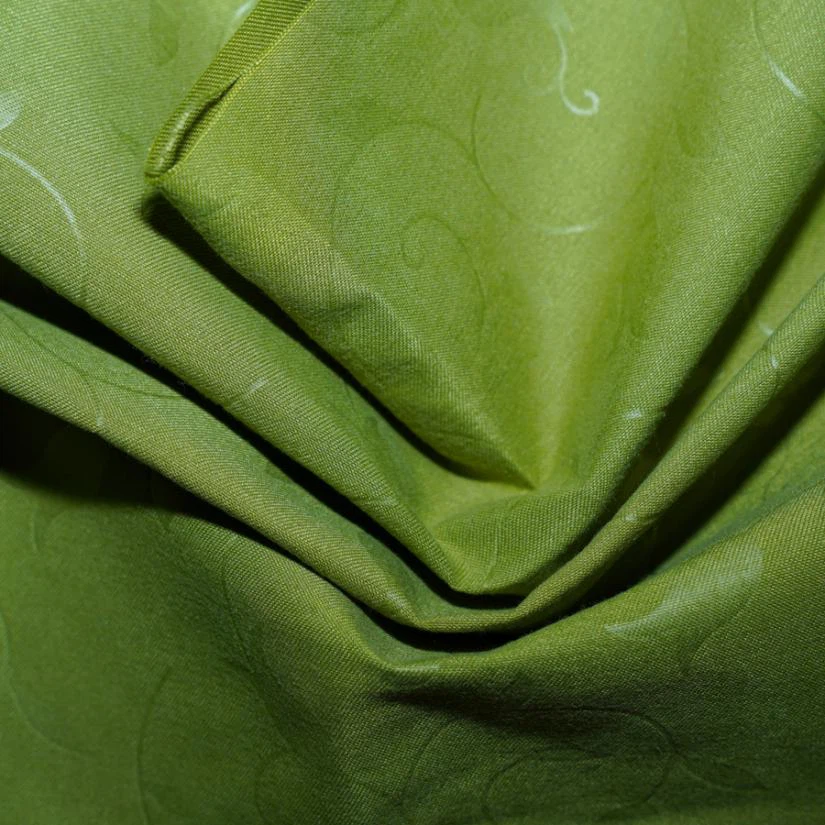
Hey there! As a jacquard fabric supplier, I often get asked about the colorfastness properties of jacquard fabric. Colorfastness is super important, especially when you're looking to use jacquard fabric for various applications. So, let's dive right into it and explore what makes jacquard fabric's colorfastness tick.
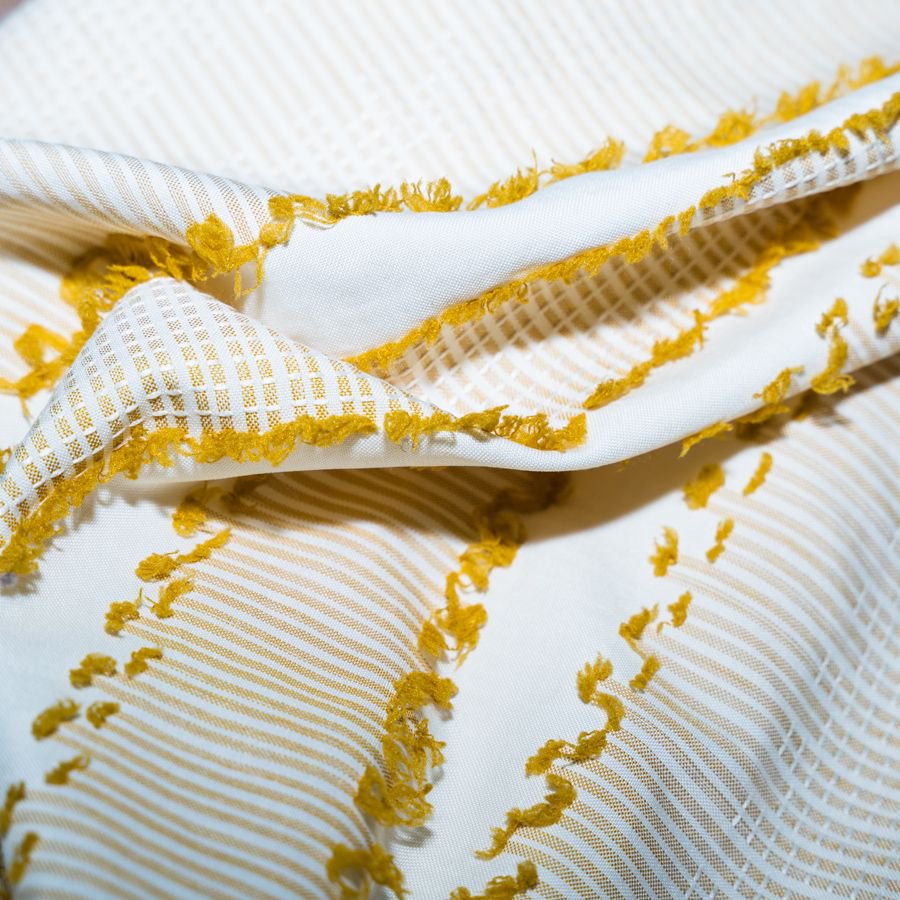

First off, what exactly is colorfastness? Simply put, it's the ability of a fabric to retain its color when exposed to different conditions like washing, light, rubbing, and perspiration. For jacquard fabric, which is known for its intricate patterns and vibrant colors, good colorfastness is crucial to maintain its aesthetic appeal over time.
There are several factors that can affect the colorfastness of jacquard fabric. One of the main ones is the type of dye used. Different dyes have different levels of colorfastness. For instance, reactive dyes are known for their excellent colorfastness to washing and light. They form a chemical bond with the fabric fibers, making the color more resistant to fading. On the other hand, some direct dyes may not be as colorfast, especially when it comes to washing.
The fiber content of the jacquard fabric also plays a big role. Fabrics made from natural fibers like cotton and silk may have different colorfastness properties compared to synthetic fibers like polyester. Cotton, for example, can absorb dyes well, but it may also be more prone to color bleeding during washing if not properly treated. Silk, on the other hand, has a delicate structure, and its colorfastness can be affected by factors like pH levels in the washing process.
Polyester jacquard fabric, like our 100% Polyester Jacquard Fabric, generally has good colorfastness. Polyester fibers are synthetic and have a smooth surface, which makes it harder for dyes to penetrate and fade. This means that polyester jacquard fabric can maintain its bright colors even after multiple washes. Our Jacquard Polyester Fabric is a great example of a fabric with excellent colorfastness properties. It's perfect for applications where color retention is important, such as outdoor cushions or upholstery.
Another factor that can impact colorfastness is the manufacturing process. The way the fabric is dyed and finished can greatly affect how well the color holds up. For example, proper fixation of the dye during the dyeing process is essential. If the dye is not fixed correctly, it can easily wash out or fade over time. Additionally, post-dyeing treatments like resin finishing can enhance the colorfastness of the fabric by creating a protective layer on the fibers.
Let's talk about different types of colorfastness tests. There are several standardized tests that can be used to evaluate the colorfastness of jacquard fabric. One of the most common tests is the wash fastness test. In this test, a sample of the fabric is washed under specific conditions, and then the color change and staining of adjacent fabrics are evaluated. A high rating in the wash fastness test indicates that the fabric is less likely to fade or bleed color during normal washing.
Light fastness is another important test. Fabrics that are exposed to sunlight for long periods of time can fade. The light fastness test measures how well the fabric can withstand the effects of light. A good light fastness rating means that the fabric will maintain its color even when exposed to sunlight for extended periods. This is especially important for jacquard fabric used in outdoor applications or in rooms with a lot of natural light.
Rubbing fastness is also a crucial aspect. When a fabric is rubbed against other surfaces, the color can transfer. The rubbing fastness test evaluates how much color is transferred from the fabric to a white cloth when rubbed. A high rubbing fastness rating indicates that the fabric is less likely to leave color on other surfaces when rubbed.
For jacquard fabric used in bedding, like our Jacquard Fabric for Bedding, colorfastness is of utmost importance. Bedding is washed frequently, and it also comes into contact with the skin, which may produce perspiration. Perspiration can affect the colorfastness of the fabric, especially if the dyes are not resistant to the chemicals in sweat. That's why our jacquard fabric for bedding is carefully tested for colorfastness to ensure that it can withstand regular washing and contact with the skin without losing its color.
So, how can you ensure that the jacquard fabric you're buying has good colorfastness? First, ask the supplier for colorfastness test reports. A reputable supplier like us will be able to provide you with detailed information about the fabric's colorfastness properties based on standardized tests. Second, consider the intended use of the fabric. If you're using it for outdoor applications, make sure it has a high light fastness rating. If it's for bedding, look for good wash fastness and perspiration fastness.
In conclusion, the colorfastness properties of jacquard fabric are influenced by several factors, including the type of dye, fiber content, manufacturing process, and the intended use. As a jacquard fabric supplier, we take great care in ensuring that our fabrics have excellent colorfastness. Our 100% Polyester Jacquard Fabric, Jacquard Polyester Fabric, and Jacquard Fabric for Bedding are all examples of fabrics that have been carefully tested and proven to have good colorfastness.
If you're interested in purchasing jacquard fabric with excellent colorfastness properties, don't hesitate to reach out to us. We're always happy to discuss your specific needs and help you find the perfect fabric for your project. Whether you're a designer, a manufacturer, or a retailer, we can provide you with high-quality jacquard fabric that meets your requirements.
References:
- Textile Testing Handbook, various editions
- International Organization for Standardization (ISO) standards related to colorfastness testing