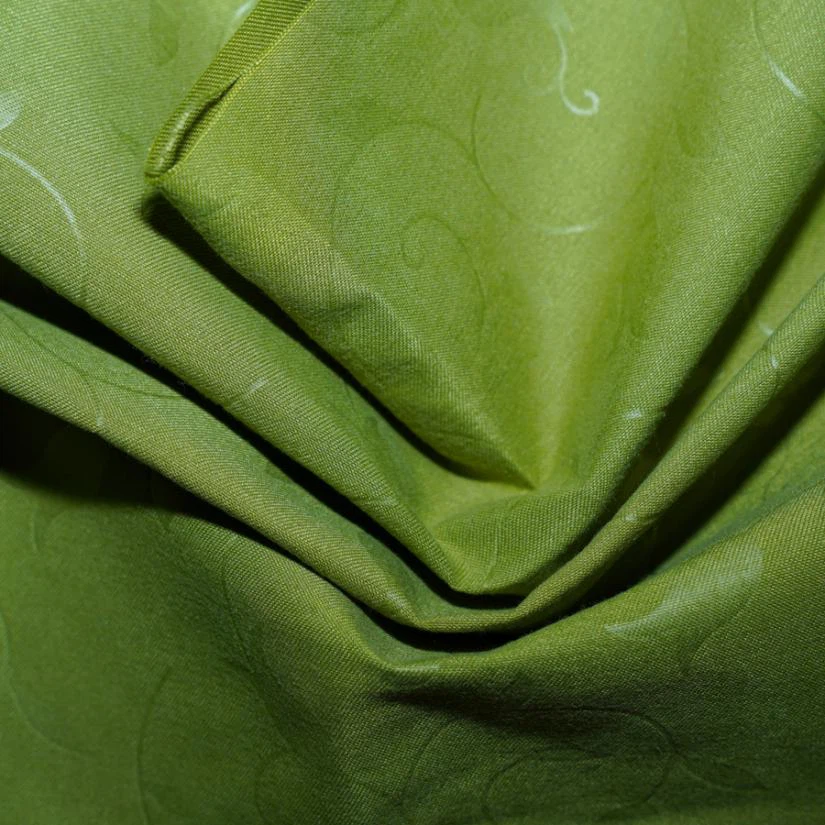
Hey there! I'm a supplier of dyed fabric, and today I want to chat about the challenges we face when it comes to dyeing nylon fabric. Nylon is a popular synthetic fiber known for its strength, durability, and versatility. It's used in a wide range of applications, from clothing and upholstery to industrial products. But dyeing nylon isn't always a walk in the park. There are several factors that can make the dyeing process tricky, and in this blog post, I'll break them down for you.
Compatibility of Dyes
One of the biggest challenges in dyeing nylon fabric is finding the right dyes that are compatible with the fiber. Nylon has a unique chemical structure that makes it different from other fibers like cotton or polyester. It has a high affinity for certain types of dyes, but not all dyes will work well with it.
Acid dyes are commonly used for dyeing nylon because they have a strong affinity for the fiber. These dyes work by forming ionic bonds with the amino groups in the nylon molecules. However, getting the right shade and colorfastness can be a challenge. The pH level of the dye bath is crucial. If the pH is too high or too low, it can affect how the dye attaches to the nylon, leading to uneven color or poor colorfastness.
Basic dyes can also be used on nylon, but they tend to have lower colorfastness compared to acid dyes. They work by forming a complex with the anionic sites in the nylon. To improve the colorfastness when using basic dyes, additional treatments like mordanting may be required, which adds another step to the dyeing process.


Color Uniformity
Achieving color uniformity across the nylon fabric is another major hurdle. Nylon fibers can have variations in their physical and chemical properties, even within the same batch of fabric. These variations can be due to differences in the manufacturing process, such as spinning speed or the quality of the raw materials.
For example, if the nylon fibers have different degrees of crystallinity, the dye may penetrate the fibers at different rates. Fibers with higher crystallinity are more compact and less porous, so the dye may have a harder time diffusing into them. This can result in some areas of the fabric being darker or lighter than others.
The way the fabric is processed before dyeing also affects color uniformity. If the fabric has been improperly scoured or pre - treated, it may have residues on the surface that can interfere with the dyeing process. Grease, oil, or sizing agents left on the fabric can prevent the dye from evenly adhering to the fibers.
Colorfastness
Colorfastness is a critical issue in dyeing nylon fabric. Customers expect the color of their nylon products to remain vibrant and fade - resistant over time, especially when the fabric is exposed to factors like washing, sunlight, and rubbing.
When it comes to washing, nylon can lose color if the dyes are not properly fixed. The mechanical action of the washing machine, along with the detergents used, can cause the dye molecules to detach from the nylon fibers. To improve wash fastness, special dyeing techniques and after - treatments are often used. For instance, using cross - linking agents can help to form stronger bonds between the dye and the nylon, making the color more resistant to washing.
Sunlight can also cause the color of nylon fabric to fade. UV rays can break down the dye molecules, leading to a loss of color intensity. To enhance light fastness, UV - absorbing agents can be added during the dyeing process or as a post - treatment. These agents can help to protect the dye molecules from the harmful effects of sunlight.
Rubbing is another factor that can affect colorfastness. In applications where the nylon fabric is subject to friction, such as in upholstery or sportswear, the dye can transfer to other surfaces. This is known as crocking. To reduce crocking, the dyeing process needs to be carefully controlled, and additional finishing treatments may be applied to improve the adhesion of the dye to the fibers.
Environmental and Regulatory Challenges
In today's world, environmental and regulatory issues are becoming increasingly important in the textile industry. Dyeing nylon fabric often involves the use of chemicals that can have a negative impact on the environment if not properly managed.
Many of the dyes and chemicals used in the dyeing process contain heavy metals, such as lead, mercury, and cadmium. These heavy metals can be toxic to humans and the environment. Regulations have been put in place to limit the use of these substances in textile products. As a dyed fabric supplier, we need to ensure that the dyes and chemicals we use comply with these regulations.
The disposal of dyeing wastewater is also a major concern. The wastewater from the dyeing process can contain high levels of dyes, salts, and other chemicals. If it's not treated properly before being discharged, it can pollute water sources and harm aquatic life. We need to invest in advanced wastewater treatment systems to remove the contaminants from the wastewater and make it safe for the environment.
Cost Considerations
Dyeing nylon fabric can be a costly process. The cost of the dyes themselves can be significant, especially if high - quality, color - fast dyes are required. As I mentioned earlier, achieving the right color and colorfastness may involve using special dyes and additional treatments, which all add to the cost.
The energy consumption during the dyeing process is another cost factor. Heating the dye bath to the appropriate temperature and running the dyeing equipment require a substantial amount of energy. With the rising cost of energy, this can have a big impact on the overall cost of dyeing nylon fabric.
Labor costs are also a consideration. The dyeing process requires skilled workers to monitor and control the various parameters, such as temperature, pH, and dye concentration. Training these workers and paying their wages add to the production cost.
Solutions and Alternatives
Despite these challenges, there are solutions and alternatives available. One option is to use Solution Dyed Polyester Fabric. Solution dyeing involves adding the dye to the polymer melt before the fibers are spun. This results in a more color - fast and uniform color compared to traditional dyeing methods. The dye is incorporated into the fiber structure, so it's less likely to fade or bleed.
100% Polyester Dyed Fabric is another alternative. Polyester has different dyeing characteristics compared to nylon. It can be dyed with disperse dyes, which are known for their good colorfastness. Polyester is also more resistant to sunlight and washing, making it a good choice for applications where color durability is important.
Polyester Dyed Microfiber Fabric is also worth considering. Microfiber fabrics are made from very fine polyester fibers, which can give a soft and luxurious feel. The dyeing process for microfiber can be optimized to achieve excellent color and colorfastness.
Conclusion
Dyeing nylon fabric comes with its fair share of challenges, from finding the right dyes and achieving color uniformity to ensuring colorfastness and complying with environmental regulations. But as a dyed fabric supplier, we're constantly working on finding solutions to these problems. We're investing in research and development to improve our dyeing techniques, and we're always looking for ways to reduce costs and environmental impact.
If you're in the market for dyed fabric and are facing some of these challenges, or if you're just looking for high - quality dyed nylon, polyester, or microfiber fabrics, I'd love to have a chat with you. Let's discuss your specific requirements and see how we can work together to meet your needs. Whether it's for fashion, home decor, or industrial applications, we're here to provide you with the best dyed fabric solutions.
References
- Lewis, D. M. (Ed.). (2007). The Dyeing of Textiles. Woodhead Publishing.
- Zollinger, H. (2003). Color Chemistry: Syntheses, Properties and Applications of Organic Dyes and Pigments. Wiley - VCH.