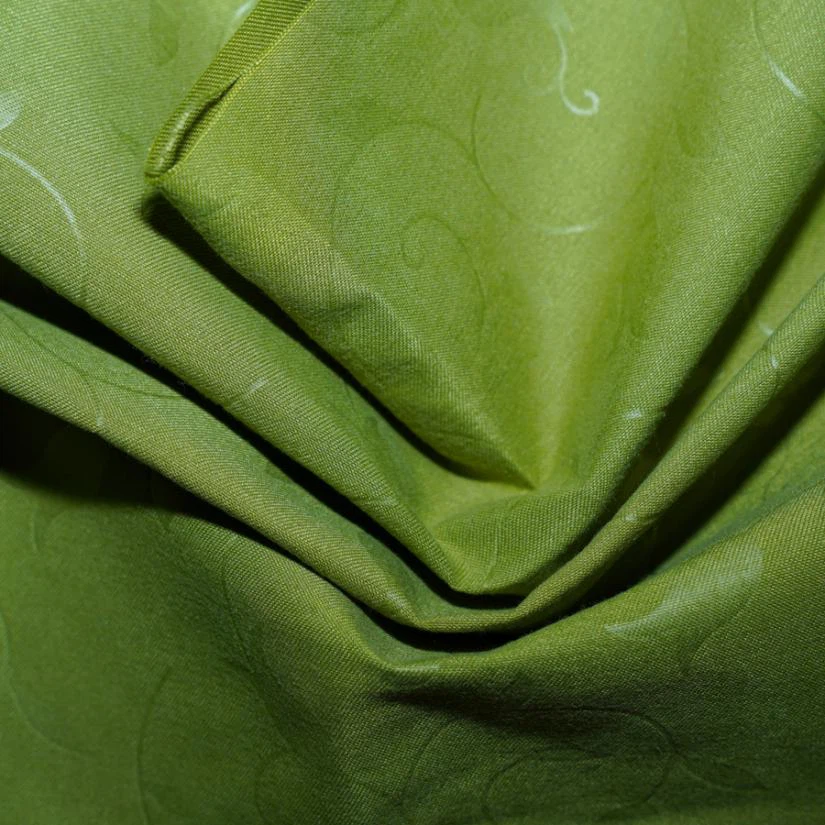
Hey there! As a waffle fabric supplier, I often get asked if waffle fabric is eco - friendly. It's a hot topic these days, and rightfully so. We're all more conscious about the impact our purchases have on the environment. So, let's dig into this and see if waffle fabric lives up to the eco - friendly hype.
First off, what exactly is waffle fabric? Waffle fabric is known for its distinct, honeycomb - like texture. It looks like the surface of a waffle, hence the name. This fabric has a lot of uses, from Waffle Fabric for Bedding to making cozy loungewear. Its unique texture gives it some great properties. It's breathable, absorbent, and can keep you warm in the winter and cool in the summer.
Now, let's talk about the materials used to make waffle fabric. The most common ones are cotton, polyester, and a blend of both.
Cotton Waffle Fabric
Cotton is often seen as a more natural and eco - friendly option. It's a plant - based material, which means it's biodegradable. When cotton waffle fabric reaches the end of its life, it can break down in the environment without leaving behind harmful microplastics.


Cotton is also renewable. We can grow new cotton plants every year, making it a sustainable resource in theory. However, there are some downsides to cotton production. Conventional cotton farming uses a ton of water. In fact, it takes about 2,700 liters of water to produce just one cotton T - shirt. That's a crazy amount!
Another issue is the use of pesticides and fertilizers. Conventional cotton farming is one of the most chemically intensive industries. These chemicals can pollute water sources, harm wildlife, and even affect the health of farmers. But here's the good news. Organic cotton is a solution to these problems. Organic cotton is grown without the use of synthetic pesticides and fertilizers. It also tends to use less water through more sustainable farming practices. So, if you're looking for an eco - friendly cotton waffle fabric, go for the organic option.
Polyester Waffle Fabric
Polyester, on the other hand, is a synthetic material. Polyester Waffle Fabric is made from petroleum, a non - renewable resource. This means that once we run out of petroleum, we can't make more polyester.
Polyester also has a big problem with microplastics. When polyester waffle fabric is washed, tiny plastic fibers break off and end up in our waterways. These microplastics are ingested by marine life and can eventually make their way up the food chain to us.
However, there are some positive aspects to polyester. It's very durable, which means products made from polyester waffle fabric can last a long time. And there's also recycled polyester. Recycled polyester is made from post - consumer plastic waste, like plastic bottles. Using recycled polyester reduces the demand for new petroleum and helps to keep plastic out of landfills.
Blended Waffle Fabric
Many waffle fabrics are a blend of cotton and polyester. This combination tries to take the best of both worlds. The cotton provides breathability and a natural feel, while the polyester adds durability. But when it comes to eco - friendliness, blended fabrics can be a bit of a mixed bag.
The biodegradability of blended waffle fabric depends on the ratio of cotton to polyester. If there's a high percentage of cotton, it will break down more easily. But the polyester component still means there's a risk of microplastic pollution.
Manufacturing Process
The manufacturing process of waffle fabric also plays a big role in its eco - friendliness. Some factories use energy - intensive methods to produce waffle fabric. High energy consumption means more greenhouse gas emissions, which contribute to climate change.
However, there are also manufacturers who are taking steps to be more sustainable. They're using renewable energy sources like solar or wind power in their factories. They're also implementing water - saving technologies to reduce water waste during the production process.
End - of - Life Considerations
What happens to waffle fabric when it's no longer useful? As I mentioned earlier, cotton waffle fabric is biodegradable, so it can break down in a composting environment. But for polyester and blended waffle fabrics, recycling is the best option.
Some recycling facilities can break down polyester fabric into its raw materials and use them to make new products. But the recycling process for polyester is still not as efficient as we'd like it to be. And not all areas have the infrastructure to recycle fabric properly.
So, Is Waffle Fabric Eco - Friendly?
The answer isn't a simple yes or no. It depends on a lot of factors, like the materials used, the manufacturing process, and what happens to the fabric at the end of its life.
If you're looking for the most eco - friendly waffle fabric, go for organic cotton. It's biodegradable, renewable, and produced with fewer harmful chemicals. Recycled polyester waffle fabric is also a good option, as it helps to reduce plastic waste.
As a waffle fabric supplier, I'm committed to offering more sustainable options. I'm constantly looking for ways to source materials that have a lower environmental impact. And I'm working with manufacturers who are taking steps to be more sustainable in their production processes.
If you're in the market for waffle fabric, whether it's Waffle Fabric for Bedding, Polyester Waffle Fabric, or Waffle Material Fabric, I'd love to have a chat with you. We can discuss your specific needs and find the most eco - friendly option that suits you.
Whether you're a bedding manufacturer, a clothing brand, or just someone looking for a cozy waffle blanket, I'm here to help. Let's make more sustainable choices together. Reach out to me, and we can start the conversation about your waffle fabric needs.
References
- "The True Cost of Cotton: Water and Pesticides." World Wildlife Fund.
- "Polyester and Microplastics: A Growing Concern." Ocean Conservancy.
- "Sustainable Textile Manufacturing: Best Practices." Textile Exchange.