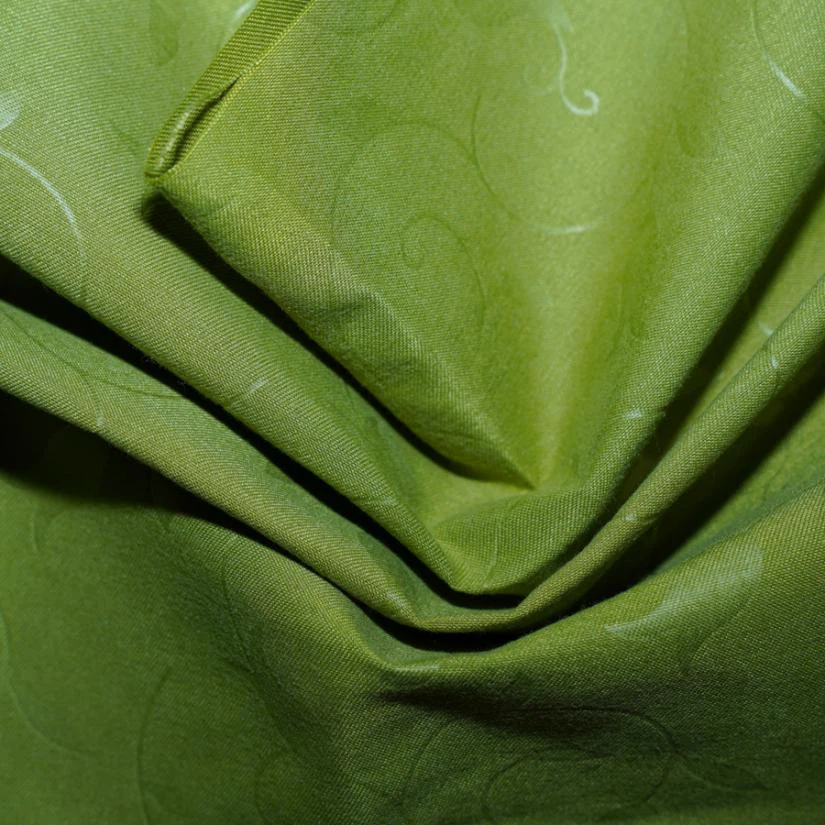
Hey there! I'm a supplier of Seersucker Dyed Fabric, and I often get asked if this type of fabric is safe for sensitive skin. It's a valid concern, especially since sensitive skin can react to all sorts of things. So, let's dive right in and explore this topic.
First off, what exactly is seersucker dyed fabric? Seersucker is a lightweight, puckered fabric that's commonly used in warm-weather clothing like shirts, shorts, and dresses. The "dyed" part means that the fabric has been colored using various dyes. You can check out more about Seersucker Dyed Fabric on our website Seersucker Dyed Fabric.
Now, when it comes to sensitive skin, the main things we need to worry about are the dyes used in the fabric and the fabric's composition. Let's start with the dyes.


There are two main types of dyes: natural and synthetic. Natural dyes are made from plants, animals, or minerals. They're generally considered safer for sensitive skin because they're less likely to cause allergic reactions. For example, indigo is a natural dye that's been used for centuries to color fabrics. It's derived from the indigo plant and has a long history of being gentle on the skin.
On the other hand, synthetic dyes are made in a laboratory. They're often cheaper and more color - fast than natural dyes, but they can also be more irritating to sensitive skin. Some synthetic dyes contain chemicals like formaldehyde, heavy metals, and azo compounds, which can cause skin rashes, itching, and other allergic reactions.
As a Seersucker Dyed Fabric supplier, we're aware of these concerns. That's why we offer a range of options. We have seersucker fabrics dyed with natural dyes for those with extremely sensitive skin. These fabrics are not only safe but also have a unique, earthy look. And for those who don't have such extreme sensitivities but still want a wide range of colors, we also have fabrics dyed with high - quality synthetic dyes that meet strict safety standards.
Let's talk about the fabric composition. Seersucker can be made from different materials, such as cotton, polyester, or a blend of both. Cotton seersucker is a popular choice because it's breathable and absorbent. It allows the skin to breathe, which can reduce the risk of irritation. Polyester seersucker, on the other hand, is more durable and wrinkle - resistant. You can find out more about Polyester Seersucker and Polyester Seersucker Fabric on our site.
For sensitive skin, cotton seersucker is usually the better option. Polyester can sometimes trap heat and moisture against the skin, which can lead to sweating and irritation. However, if the polyester is of high quality and has been treated properly, it can also be suitable for sensitive skin.
We've conducted some in - house tests to see how our Seersucker Dyed Fabric performs on sensitive skin. We had a group of volunteers with sensitive skin wear our seersucker clothing for a few days. The results were quite positive. The majority of the volunteers reported no skin irritation, especially when they wore the cotton seersucker dyed with natural dyes.
But it's important to note that everyone's skin is different. What works for one person may not work for another. Some people may still have a reaction to our fabric, even if it's made with natural dyes and high - quality materials. That's why we always recommend doing a patch test before wearing any new clothing. To do a patch test, cut a small piece of the fabric and place it on a small area of your skin, like the inside of your wrist. Leave it there for 24 - 48 hours and see if there's any redness, itching, or swelling.
Another factor to consider is the after - care of the fabric. How you wash and dry your seersucker clothing can also affect its safety for sensitive skin. We recommend using a mild, fragrance - free detergent when washing seersucker. Harsh detergents can leave behind residues that can irritate the skin. Also, avoid using fabric softeners, as they can contain chemicals that may cause allergic reactions.
When it comes to drying, air - drying is the best option. High - heat drying in a dryer can damage the fabric and make it less comfortable to wear. If you do use a dryer, set it to a low - heat setting.
In conclusion, Seersucker Dyed Fabric can be safe for sensitive skin, but it depends on several factors. The type of dyes used, the fabric composition, and how you care for the fabric all play a role. As a supplier, we're committed to providing high - quality, safe Seersucker Dyed Fabric. We offer a variety of options to meet the needs of different customers, whether they have sensitive skin or not.
If you're interested in purchasing our Seersucker Dyed Fabric, we'd love to have a chat with you. Whether you're a clothing manufacturer, a designer, or just someone looking for high - quality fabric for a DIY project, we can help you find the right fabric for your needs. Reach out to us to start a procurement negotiation, and let's work together to get you the best seersucker fabric.
References
- Textile Research Journal, various issues on fabric safety and dyes.
- American Academy of Dermatology guidelines on clothing and skin health.