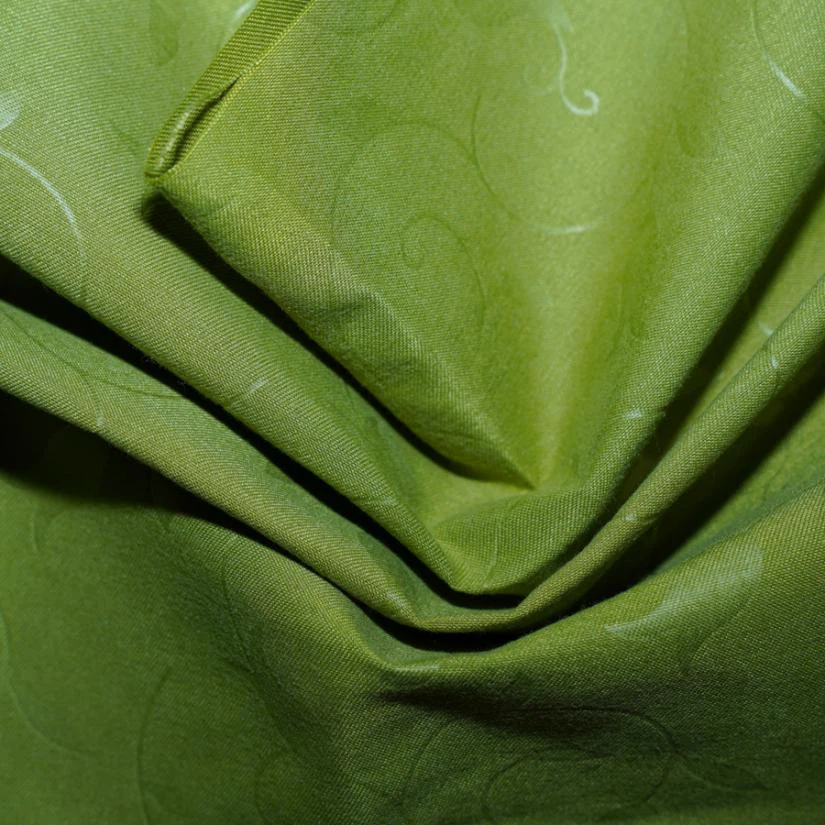
Is polyester waffle fabric easy to clean? This is a question that many consumers and businesses often ask, especially those interested in Waffle Fabric for Bedding. As a supplier of 100% Polyester Waffle Fabric, I am well - versed in the properties of this unique material and can provide in - depth insights into its cleaning process.
Understanding Polyester Waffle Fabric
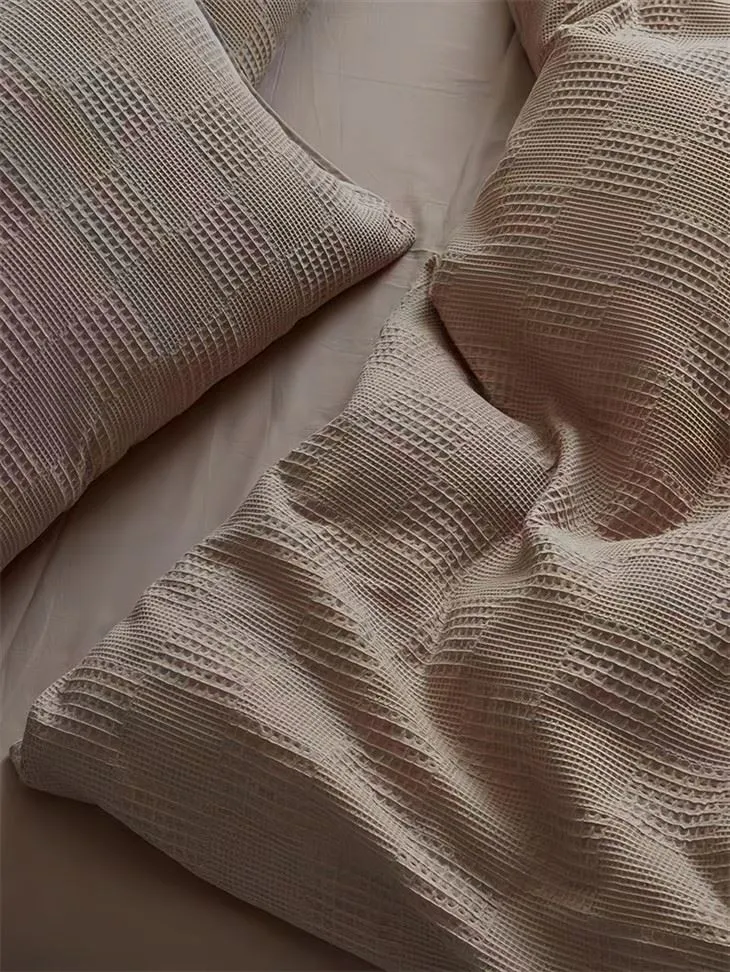
Polyester waffle fabric is a type of textile that combines the benefits of polyester with the distinctive waffle pattern. Polyester is a synthetic fiber known for its durability, wrinkle - resistance, and quick - drying properties. The waffle pattern, on the other hand, adds texture and visual appeal to the fabric. It also provides some practical advantages, such as better air circulation and moisture absorption.
This fabric is commonly used in various applications, including bedding, bath towels, and clothing. Its versatility makes it a popular choice among consumers. However, the cleaning process can vary depending on the specific use and the amount of soiling.
Factors Affecting the Cleanability of Polyester Waffle Fabric
1. Fiber Properties
Polyester fibers are hydrophobic, which means they repel water. This characteristic can be both an advantage and a disadvantage when it comes to cleaning. On one hand, it makes the fabric less likely to absorb stains in the first place. For example, if a small amount of liquid spills on a polyester waffle tablecloth, it may bead up on the surface rather than soaking in immediately. On the other hand, it can make it more challenging to remove certain types of oily or greasy stains, as the hydrophobic nature of the fibers may prevent water - based cleaning agents from effectively penetrating the stain.
2. Waffle Pattern
The waffle pattern creates small pockets and crevices in the fabric. While these can trap dirt and debris, they also provide more surface area for cleaning agents to work on. However, it is important to ensure that the cleaning solution reaches all parts of the fabric. In some cases, dirt may accumulate deep within the waffle pockets, requiring a more thorough cleaning process.
3. Type of Soiling
The type of dirt or stain on the polyester waffle fabric plays a significant role in the cleaning process. For instance, food stains, especially those with oils or sauces, can be more difficult to remove compared to dust or sweat stains. Ink stains are also notoriously challenging to clean from any fabric, including polyester waffle.
Cleaning Methods for Polyester Waffle Fabric
1. Machine Washing
Machine washing is the most common method for cleaning polyester waffle fabric. Here are the steps to follow:
- Sorting: Separate the polyester waffle fabric from other types of fabrics, especially those that may shed lint. This helps prevent lint from sticking to the waffle pattern.
- Pre - treatment: If there are visible stains, pre - treat them with a stain remover. Apply the stain remover directly to the stain and let it sit for a few minutes before washing.
- Detergent Selection: Choose a mild detergent that is suitable for synthetic fabrics. Harsh detergents can damage the polyester fibers over time.
- Washing Cycle: Use a gentle or delicate cycle with cold or warm water. Hot water can cause the polyester fibers to shrink or lose their shape, especially if the fabric has been heat - set during manufacturing.
- Rinsing: Ensure thorough rinsing to remove all traces of detergent. Residual detergent can make the fabric feel stiff and may also attract more dirt in the future.
2. Hand Washing
For smaller items or delicate pieces of polyester waffle fabric, hand washing may be a better option.
- Fill a Basin: Fill a basin with lukewarm water and add a small amount of mild detergent.
- Soak the Fabric: Gently place the fabric in the soapy water and let it soak for 10 - 15 minutes.
- Gently Agitate: Use your hands to gently agitate the fabric, paying special attention to the areas with stains. Avoid rubbing too vigorously, as this can damage the waffle pattern.
- Rinse: Rinse the fabric thoroughly under running water until the water runs clear.
3. Drying
Proper drying is crucial to maintain the quality of the polyester waffle fabric.
- Tumble Drying: If using a dryer, select a low - heat setting. High heat can cause the polyester fibers to melt or shrink. It is also a good idea to remove the fabric from the dryer while it is still slightly damp to prevent over - drying and wrinkling.
- Air Drying: Air drying is a more gentle option. Hang the fabric on a clothesline or lay it flat on a drying rack. Make sure to reshape the fabric while it is damp to maintain the waffle pattern.
Tips for Easy Cleaning
1. Regular Maintenance
Regularly dust or vacuum polyester waffle fabric items, such as curtains or upholstery. This helps prevent dirt from building up and makes the overall cleaning process easier.
2. Spot Cleaning
For minor stains, spot clean as soon as possible. Use a clean cloth or sponge and a small amount of mild detergent diluted in water. Blot the stain gently instead of rubbing to avoid spreading it.
3. Follow Care Instructions
Always follow the care instructions provided by the manufacturer. These instructions are based on the specific properties of the fabric and can help ensure its longevity and easy cleanability.
Conclusion
In general, polyester waffle fabric is relatively easy to clean, especially when compared to some natural fibers. Its hydrophobic nature and durability make it resistant to many common stains. However, the cleaning process does require some attention to detail, especially when dealing with stubborn stains or the unique waffle pattern.

If you are in the market for high - quality Waffle Material Fabric, I invite you to contact us for more information. We are committed to providing the best polyester waffle fabric products and can offer guidance on their care and maintenance. Whether you are a retailer looking to stock our products or an individual in need of a specific quantity, we are here to assist you. Reach out to us to start a discussion about your procurement needs.
References
- Textile Chemistry and Technology, Third Edition, by Herbert Sixta
- Handbook of Fiber Science and Technology, Volume II: High - Performance Fibers, by Menachem Lewin and Eli M. Pearce