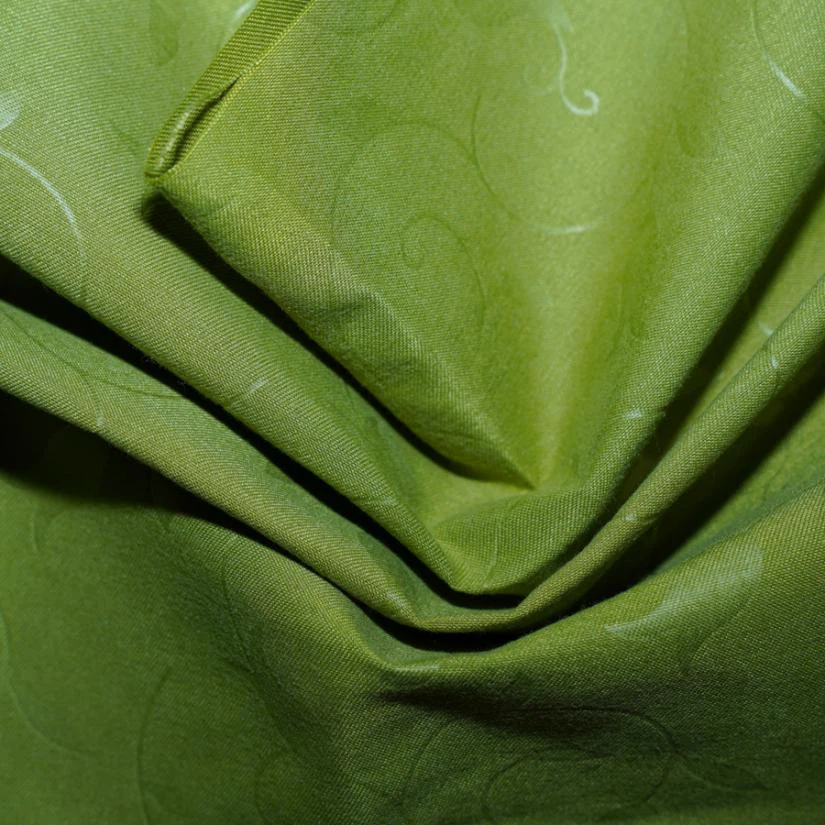
Polyester sheet fabric has become a popular choice in various industries, especially in the bedding and textile sectors. As a supplier of high - quality polyester sheet fabric, I often encounter questions from customers regarding its properties, one of the most common being its resistance to chlorine. In this blog post, I'll delve into the science behind polyester's interaction with chlorine, its implications for different applications, and how our products fare in this regard.
Understanding Polyester Sheet Fabric
Polyester is a synthetic polymer, typically polyethylene terephthalate (PET). It is known for its durability, wrinkle - resistance, and easy - care nature. Polyester sheet fabric is widely used in making Bed Linen Fabric, tablecloths, and other household textiles. Its smooth texture and ability to hold color well make it an attractive option for consumers.
The Chemistry of Chlorine and Polyester
Chlorine is a powerful oxidizing agent. It is commonly used in swimming pools to disinfect the water and in laundry detergents as a bleaching agent. When chlorine comes into contact with fabric, it can react with the fibers, causing various changes.
In the case of polyester, the chemical structure of the polymer makes it relatively stable against chlorine. Unlike natural fibers such as cotton, which have a more reactive cellulose structure, polyester's long - chain polymer structure is less prone to oxidation by chlorine. The ester bonds in polyester are relatively resistant to the oxidative action of chlorine, meaning that polyester sheet fabric can withstand exposure to chlorine better than many other fabrics.
Resistance in Different Applications
Swimming Pool Covers
One of the key applications where chlorine resistance is crucial is in swimming pool covers. These covers are constantly exposed to chlorinated water, and if the fabric is not resistant, it can degrade quickly. Polyester sheet fabric is an excellent choice for pool covers because of its ability to resist the effects of chlorine. Our Bleached Polyester Bedsheet Fabric can be adapted for pool cover use, providing long - lasting protection against the harsh chlorinated environment.
Laundry and Household Use
In the laundry, chlorine bleach is often used to remove stains and whiten fabrics. Polyester sheet fabric can tolerate a certain amount of chlorine bleach during washing. However, it's important to follow the manufacturer's guidelines. Excessive use of chlorine bleach can still cause some damage over time, such as weakening the fabric's fibers and causing color fading. But compared to natural fibers, polyester can withstand more chlorine before showing significant signs of wear. Our Bleached White Fabric is treated to maintain its integrity even when exposed to moderate levels of chlorine during laundering.
Factors Affecting Polyester's Chlorine Resistance
Temperature
The temperature at which the fabric is exposed to chlorine can have an impact on its resistance. Higher temperatures generally increase the reactivity of chlorine, which means that polyester fabric may be more susceptible to damage in hot chlorinated water or during high - temperature laundry cycles with chlorine bleach.
Concentration of Chlorine
The concentration of chlorine also matters. In a swimming pool, the chlorine concentration is carefully regulated, but in laundry, the amount of chlorine bleach added can vary. Higher concentrations of chlorine will pose a greater risk to the fabric, even if it is polyester.
Duration of Exposure
The longer the polyester sheet fabric is exposed to chlorine, the more likely it is to experience some degree of damage. For example, a pool cover that is left in the water for an extended period without proper maintenance may show signs of degradation over time.
Testing and Quality Assurance
As a supplier, we take the chlorine resistance of our polyester sheet fabric seriously. We conduct regular tests to ensure that our products meet high - quality standards. Our testing involves exposing samples of the fabric to different concentrations of chlorine at various temperatures and for different durations. We then evaluate the fabric's strength, colorfastness, and overall appearance.
Based on these tests, we can provide our customers with accurate information about how our polyester sheet fabric will perform in chlorinated environments. This allows our customers to make informed decisions when choosing the right fabric for their specific needs.
Benefits of Choosing Our Polyester Sheet Fabric
Long - Lasting Performance
Thanks to its chlorine resistance, our polyester sheet fabric offers long - lasting performance. Whether it's used in a swimming pool cover or as bed linen, it can maintain its quality and appearance for a longer time compared to less resistant fabrics.
Cost - Effectiveness
Since our polyester sheet fabric lasts longer, it can be a more cost - effective option in the long run. Customers don't have to replace their fabrics as frequently, saving them money on replacement costs.
Versatility
Our polyester sheet fabric is versatile and can be used in a wide range of applications. From household textiles to industrial uses, it can adapt to different environments and requirements.
Conclusion
In conclusion, polyester sheet fabric is generally resistant to chlorine due to its stable chemical structure. However, factors such as temperature, chlorine concentration, and duration of exposure can affect its resistance. As a supplier, we ensure that our products are of the highest quality and can withstand reasonable levels of chlorine exposure.
If you are in the market for high - quality polyester sheet fabric that offers excellent chlorine resistance, we would love to hear from you. Whether you need fabric for swimming pool covers, bed linen, or other applications, our team is ready to assist you. Contact us to start a discussion about your specific requirements and how our products can meet them.


References
- Textile Chemistry and Technology: Fundamentals of Fiber Structure and Properties by J. W. S. Hearle
- Handbook of Fiber Chemistry by Menachem Lewin and Eli M. Pearce