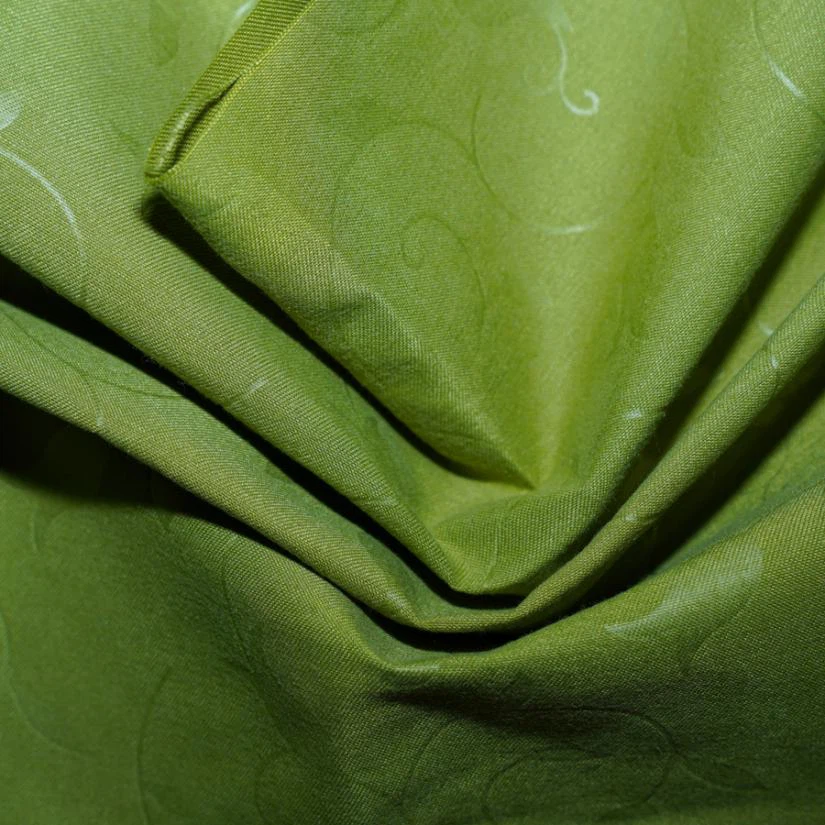
As a supplier of Micro Print Fabric, I often encounter inquiries from customers regarding the fabric's tendency to pill. Pilling is a common concern for many fabric users, as it can significantly affect the appearance and durability of the textile. In this blog post, I will delve into the factors that contribute to pilling in Micro Print Fabric and provide insights into whether it is prone to this issue.
Understanding Micro Print Fabric
Micro Print Fabric is a type of textile that features intricate and detailed prints. These prints are often created using advanced printing techniques, which allow for high - resolution and precise designs. The fabric can be made from various fibers, including polyester, cotton, and blends of different materials. Each fiber type has its own characteristics that can influence the fabric's pilling behavior.
Polyester is a synthetic fiber commonly used in Micro Print Fabric. It is known for its strength, durability, and resistance to wrinkles and shrinking. Polyester fibers are smooth and have a low affinity for moisture, which can make them less likely to pill compared to some natural fibers. Cotton, on the other hand, is a natural fiber that is soft, breathable, and absorbent. However, cotton fibers can be more prone to pilling, especially when they are rubbed against other surfaces.
Factors Affecting Pilling in Micro Print Fabric
Fiber Type and Quality
As mentioned earlier, the type of fiber used in Micro Print Fabric plays a crucial role in its pilling tendency. High - quality fibers, whether synthetic or natural, are generally less likely to pill. For example, long - staple cotton fibers are stronger and more resistant to pilling than short - staple cotton fibers. Similarly, high - grade polyester fibers with a smooth surface are less likely to form pills.
Weave Structure
The weave structure of the fabric also affects pilling. Fabrics with a tight weave, such as twill or satin weaves, are less likely to pill because the fibers are held more securely in place. In contrast, fabrics with a loose weave, like plain weaves, may allow the fibers to move more freely, increasing the likelihood of pilling.
Printing Process
The printing process used to create the micro - prints on the fabric can also impact pilling. Some printing techniques may cause the surface of the fabric to become slightly rougher, which can increase friction and lead to pilling. Additionally, if the ink used in the printing process is not properly adhered to the fabric, it may cause the fibers to stick together and form pills.
Usage and Care
How the Micro Print Fabric is used and cared for can have a significant impact on its pilling tendency. Frequent rubbing, abrasion, and friction during use, such as in high - traffic areas or when the fabric is in contact with rough surfaces, can cause the fibers to break and form pills. Improper washing and drying methods, such as using harsh detergents, high - speed washing, or over - drying, can also damage the fibers and increase pilling.
Is Micro Print Fabric Prone to Pilling?
In general, whether Micro Print Fabric is prone to pilling depends on a combination of the factors mentioned above. If the fabric is made from high - quality fibers, has a tight weave, and is printed using a suitable process, it is less likely to pill. However, if the fabric is made from lower - quality fibers, has a loose weave, or is subjected to harsh usage and care, it may be more prone to pilling.
For example, a Micro Print Fabric made from a high - grade polyester blend with a twill weave is likely to be more resistant to pilling than a fabric made from low - quality cotton with a plain weave. Similarly, a fabric that is printed using a smooth and well - adhered ink is less likely to pill than one with a rough - surfaced print.
Tips to Minimize Pilling in Micro Print Fabric
Choose the Right Fabric
When selecting Micro Print Fabric, consider the fiber type, weave structure, and quality. Opt for fabrics made from high - quality fibers and tight weaves to reduce the risk of pilling.
Proper Usage
Avoid rubbing the fabric against rough surfaces and minimize friction during use. For example, if the fabric is used for upholstery, place a protective cover over it in high - traffic areas.
Care Instructions
Follow the recommended care instructions for the fabric. Use mild detergents, wash the fabric on a gentle cycle, and avoid over - drying. It is also advisable to turn the fabric inside out before washing to reduce friction.


Comparison with Other Printed Fabrics
To better understand the pilling tendency of Micro Print Fabric, it can be useful to compare it with other types of printed fabrics. Natural Printing On Fabric often uses natural dyes and fibers, which can have different pilling characteristics. Natural fibers like cotton in these fabrics may be more prone to pilling, but the use of natural dyes may result in a softer and more breathable fabric.
Printed Waterproof Fabric is designed to be water - resistant, and the waterproof coating on the fabric can affect its pilling behavior. In some cases, the coating may make the fabric surface smoother, reducing friction and pilling. However, if the coating is not properly applied, it may cause the fabric to become stiff and increase the risk of pilling at the edges or seams.
Conclusion
In conclusion, the pilling tendency of Micro Print Fabric is not a straightforward matter. It is influenced by multiple factors, including fiber type, weave structure, printing process, usage, and care. By understanding these factors, customers can make informed decisions when choosing Micro Print Fabric and take steps to minimize pilling.
As a supplier of Micro Print Fabric, I am committed to providing high - quality fabrics that meet the needs of our customers. If you are interested in learning more about our Micro Print Fabric or have any questions regarding pilling or other fabric - related issues, please feel free to contact us for a detailed discussion and to initiate a procurement negotiation. We look forward to working with you to find the perfect fabric solution for your project.
References
- Textile Science and Technology textbooks
- Industry reports on fabric performance and durability