Hey there! As a jacquard fabric supplier, I often get asked this question: "Is jacquard fabric water-resistant?" Well, let's dive right into it and break it down.
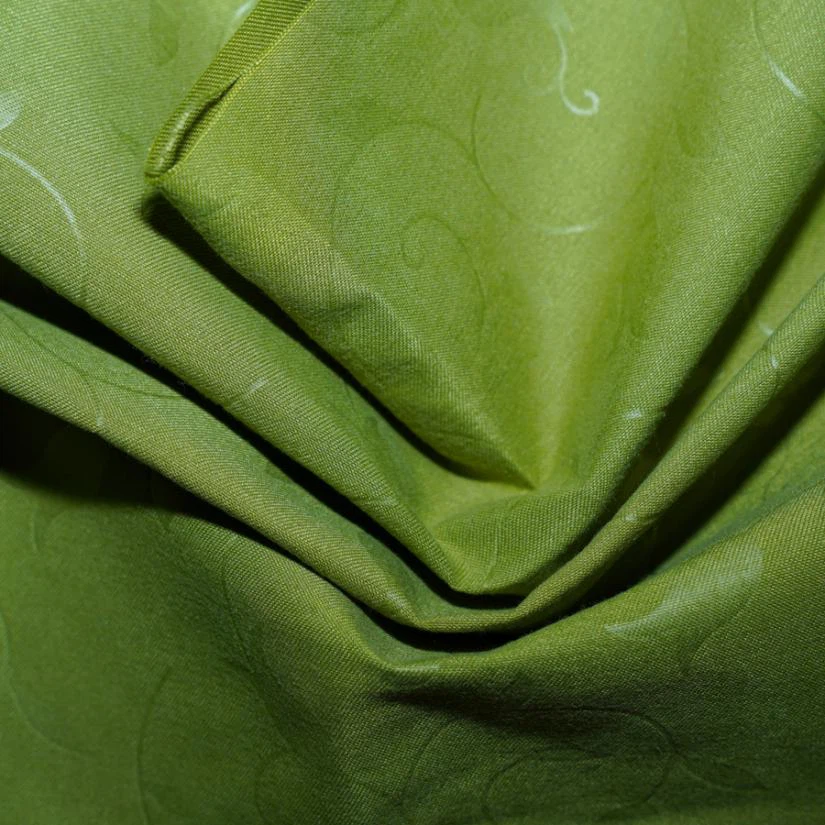
First off, what exactly is jacquard fabric? Jacquard fabric is known for its intricate and detailed patterns that are woven into the fabric rather than printed on. This type of fabric can be made from a variety of materials, including silk, cotton, polyester, and blends of these fibers. The weaving process is what gives jacquard fabric its unique look and feel, allowing for complex designs that can range from simple geometric shapes to elaborate floral patterns. You can learn more about Jacquard Material.
Now, let's talk about water resistance. Water resistance refers to a fabric's ability to resist the penetration of water to some degree. It's different from waterproof, which means the fabric completely prevents water from passing through. Whether a jacquard fabric is water-resistant depends on several factors, mainly the type of fiber it's made from and any additional treatments it has undergone.
Fibers and Water Resistance
Cotton Jacquard Fabric
Cotton is a natural fiber that is widely used in jacquard fabrics, especially for clothing and bedding. However, cotton is not inherently water-resistant. Cotton fibers absorb water easily, which is why cotton clothes can get wet quickly when exposed to rain or other forms of moisture. When cotton jacquard fabric gets wet, it becomes heavy and takes a long time to dry. This is great for absorbing sweat when you're wearing it, but not so great if you're looking for water resistance. For example, a cotton jacquard tablecloth will soak up spills rather than repel them. You can check out Jacquard Fabric for Bedding which is often made of cotton.
Silk Jacquard Fabric
Silk is another luxurious natural fiber used in jacquard fabrics. Similar to cotton, silk is not water-resistant. Silk fibers are porous and can absorb water, although they absorb less water than cotton. Silk jacquard fabric may feel cool and smooth, but it won't keep you dry in wet conditions. In fact, excessive exposure to water can damage silk fibers over time, causing them to lose their luster and strength.


Polyester Jacquard Fabric
Polyester is a synthetic fiber that has better water resistance compared to natural fibers like cotton and silk. Polyester fibers are hydrophobic, which means they repel water rather than absorb it. A Polyester Jacquard Microfiber Fabric can shed water to some extent, making it a better choice if you need a fabric that can withstand light rain or moisture. For instance, polyester jacquard outdoor cushions are less likely to get soaked through compared to cotton ones.
Blended Jacquard Fabrics
Many jacquard fabrics are made from blends of different fibers, such as cotton-polyester blends. These blends can offer a combination of the benefits of each fiber. For example, a cotton-polyester jacquard blend may have the softness and breathability of cotton along with the improved water resistance of polyester. The water resistance of a blended fabric depends on the ratio of the fibers. A fabric with a higher percentage of polyester will generally be more water-resistant.
Additional Treatments
Even if a jacquard fabric is made from fibers that are not water-resistant, it can be treated to improve its water resistance. There are several methods used to treat fabrics for water resistance:
Water-Repellent Coatings
One common method is to apply a water-repellent coating to the fabric. These coatings work by creating a thin layer on the surface of the fabric that prevents water from penetrating. There are different types of water-repellent coatings available, including fluoropolymer-based coatings and silicone-based coatings. Fluoropolymer coatings are very effective at repelling water and are often used in outdoor and performance fabrics. However, they have raised some environmental concerns in recent years. Silicone-based coatings are a more environmentally friendly alternative and can also provide good water resistance.
Chemical Treatments
Some chemical treatments can be used to modify the surface of the fabric fibers to make them more water-repellent. For example, a process called plasma treatment can change the surface properties of the fibers, making them less likely to absorb water. These treatments can be applied during the manufacturing process of the jacquard fabric to enhance its water resistance.
Applications Based on Water Resistance
The water resistance of jacquard fabric determines its suitability for different applications:
Clothing
For everyday clothing, water resistance may not be a top priority. Cotton and silk jacquard fabrics are popular for their comfort and aesthetic appeal. However, for outdoor clothing, especially in rainy or wet conditions, a water-resistant jacquard fabric made from polyester or a treated blend is a better choice. For example, a water-resistant jacquard jacket can keep you dry during a light drizzle.
Home Decor
In home decor, the need for water resistance varies. For curtains, water resistance may not be necessary, but for tablecloths and outdoor cushions, it can be very useful. A water-resistant jacquard tablecloth can protect your table from spills, and outdoor cushions made from water-resistant jacquard fabric will dry faster after getting wet.
Industrial and Technical Uses
In some industrial and technical applications, water resistance is crucial. For example, jacquard fabrics used in automotive interiors or aerospace applications may need to be water-resistant to prevent damage from moisture.
Conclusion
So, is jacquard fabric water-resistant? The answer is it depends. The natural fibers like cotton and silk used in jacquard fabrics are not water-resistant, but synthetic fibers like polyester offer better water resistance. Additionally, jacquard fabrics can be treated with water-repellent coatings or chemical treatments to improve their water resistance.
If you're in the market for jacquard fabric and water resistance is important to you, consider the type of fiber, the intended application, and whether additional treatments are necessary. As a jacquard fabric supplier, I can offer a wide range of jacquard fabrics with different levels of water resistance to meet your specific needs. Whether you're looking for a luxurious silk jacquard for a special occasion or a water-resistant polyester jacquard for outdoor use, I've got you covered. If you're interested in purchasing jacquard fabric, feel free to reach out to me for more information and to start a procurement discussion. I'm here to help you find the perfect fabric for your project.
References
- Textile Institute. "Textile Fibre Properties." Woodhead Publishing, 2017.
- Horrocks, A. R., & Anand, S. C. "Handbook of Technical Textiles." Woodhead Publishing, 2000.