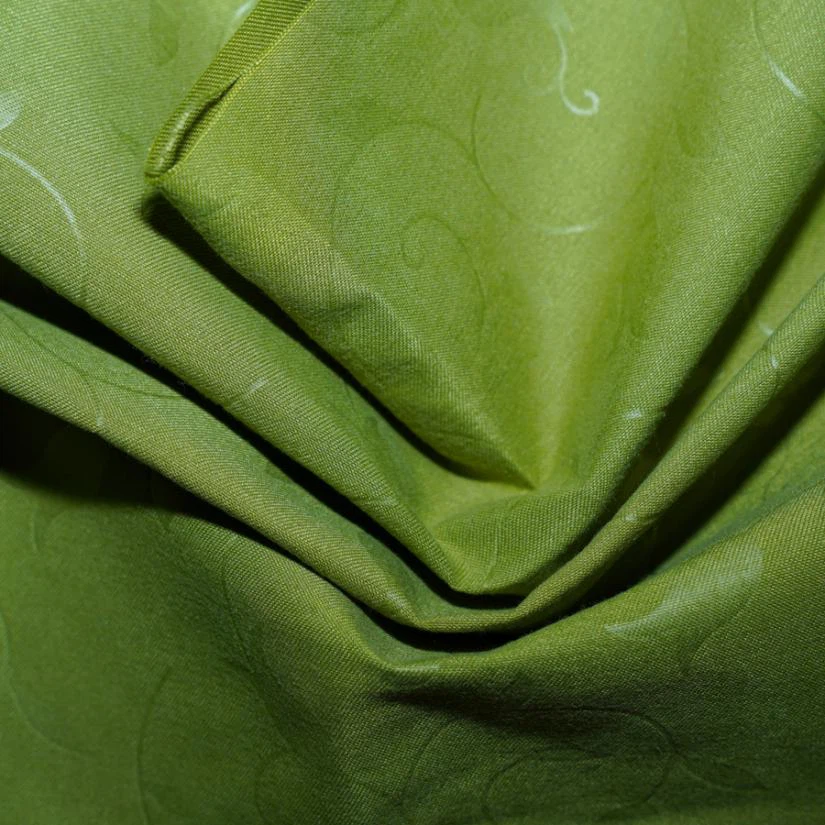
Hey there! As a supplier of disperse printed fabric, I often get asked about how to test the heat - resistance of our products. It's a crucial aspect, especially when you're using these fabrics in various applications where they might be exposed to high temperatures. So, let's dive right into it!
Why Test Heat - Resistance?
Before we get into the testing methods, let's understand why it's so important to test the heat - resistance of disperse printed fabric. Disperse printed fabrics are used in a wide range of products, from sportswear to home decor items. In some cases, these fabrics might go through processes like ironing, steaming, or even be used in environments with high temperatures. If the fabric can't withstand the heat, the print might fade, distort, or the fabric itself could get damaged. This not only affects the aesthetic appeal but also the durability of the product.
Visual Inspection
The first and simplest way to start testing the heat - resistance of disperse printed fabric is through visual inspection. Take a small sample of the fabric and expose it to a controlled heat source. You can use a household iron set to a low - medium temperature initially. Place a thin cloth between the iron and the sample to prevent direct contact and potential burning.
After a short period, say 10 - 15 seconds, lift the iron and check the fabric. Look for any signs of color change, such as fading or darkening of the print. Also, check if the fabric has shrunk or if there are any visible signs of damage to the fibers. If you notice any significant changes, it might indicate that the fabric has poor heat - resistance.
Colorfastness Testing
Colorfastness is a key factor when it comes to heat - resistance. A fabric with good colorfastness will maintain its color even when exposed to heat. To test colorfastness, you can use a colorfastness to dry - heat test. This involves placing the fabric sample in a heated chamber at a specific temperature for a set period.
The standard temperature for this test is usually around 180 - 200°C for 30 minutes. After the test, compare the color of the sample with a standard color chart. You can use a gray scale for color change evaluation. If the color change is within an acceptable range (usually rated from 1 - 5, with 5 being no change), then the fabric has good colorfastness to heat.
Tensile Strength Testing
Heat can also affect the tensile strength of the fabric. Tensile strength refers to the maximum amount of stress a fabric can withstand before breaking. To test the tensile strength after heat exposure, you'll need a tensile testing machine.
First, measure the initial tensile strength of the fabric sample. Then, expose the sample to heat using the same method as in the colorfastness test. After the heat exposure, measure the tensile strength again. If the reduction in tensile strength is significant, it means that the heat has weakened the fabric fibers.
Melting Point Testing
Another important aspect is to determine the melting point of the fabric. Disperse printed fabrics are often made from synthetic fibers like polyester. Polyester has a relatively high melting point, but it can still be affected by extreme heat.
You can use a melting point apparatus to determine the melting point of the fabric sample. Place a small piece of the fabric in the apparatus and gradually increase the temperature. Observe the fabric closely. When the fabric starts to melt or deform, note down the temperature. This will give you an idea of the maximum temperature the fabric can withstand before it starts to break down.
Using Specialized Equipment
For more accurate and detailed testing, you can use specialized equipment. For example, a thermogravimetric analyzer (TGA) can be used to measure the weight loss of the fabric as it is heated. This can help you understand how the fabric decomposes at different temperatures.
A differential scanning calorimeter (DSC) can also be used to measure the heat flow associated with physical and chemical changes in the fabric as it is heated. These tests can provide valuable information about the thermal properties of the fabric and its heat - resistance.
Real - World Applications
In real - world applications, disperse printed fabrics are used in many ways. For instance, Micro Print Fabric is often used in high - end fashion items. These items might go through steam pressing during the manufacturing process or be ironed at home. So, it's essential that the fabric can withstand the heat without losing its print quality.
Natural Printing On Fabric is another type of disperse printed fabric that is popular for its eco - friendly appeal. This fabric might be used in home decor items like curtains or tablecloths. If these items are exposed to sunlight or heat from a radiator, the fabric should maintain its color and integrity.
Patterned Polyester Fabric is commonly used in sportswear. Athletes often wear these clothes during intense physical activities, which can generate a lot of heat. The fabric should be able to withstand the heat without fading or losing its shape.
Conclusion
Testing the heat - resistance of disperse printed fabric is a multi - step process that involves visual inspection, colorfastness testing, tensile strength testing, and determining the melting point. By using these methods, you can ensure that the fabric you're using or supplying meets the required standards.


If you're in the market for high - quality disperse printed fabric with excellent heat - resistance, we're here to help. We've been in the business for years and have a wide range of fabrics to choose from. Whether you need Micro Print Fabric, Natural Printing On Fabric, or Patterned Polyester Fabric, we can provide samples for you to test and make an informed decision.
If you're interested in learning more or starting a procurement discussion, feel free to reach out. We're always happy to talk about our products and how they can meet your specific needs.
References
- Textile Testing Handbook, Fourth Edition by David J. Vaughn
- ASTM International Standards for Textile Testing
- ISO Standards for Colorfastness and Heat Resistance Testing