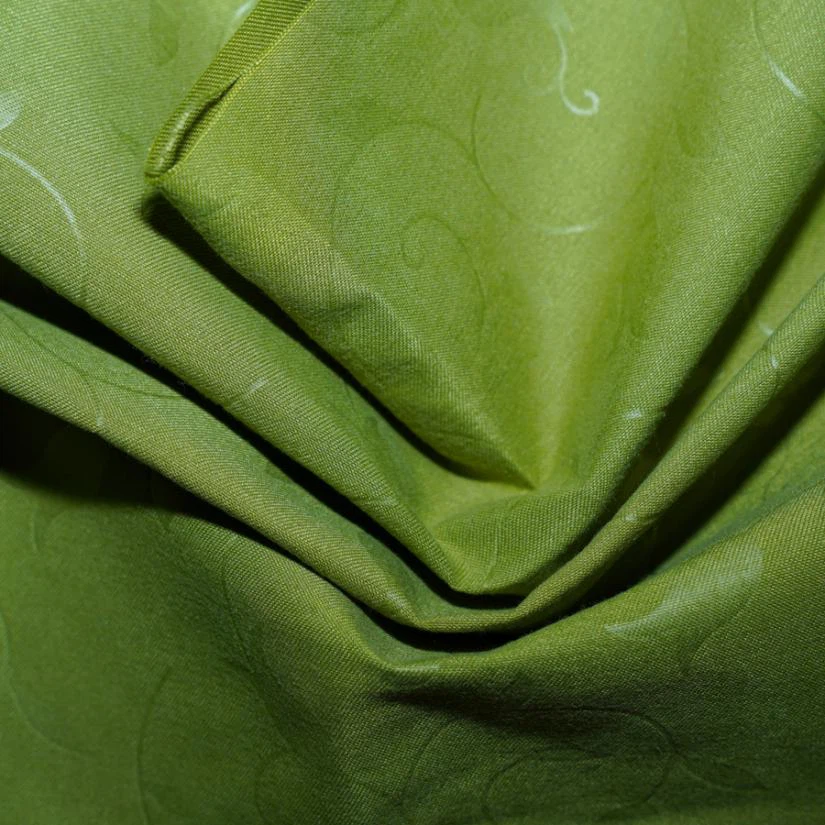
Determining whether a fabric is embossed can be a crucial skill, especially if you're in the textile industry or simply a fabric enthusiast. As an embossed fabric supplier, I've had extensive experience with various types of embossed fabrics and have learned several reliable methods to identify them. In this blog post, I'll share these methods with you, so you can easily tell if a fabric is embossed.
Visual Inspection
The first and most straightforward way to tell if a fabric is embossed is through visual inspection. Embossed fabrics have a distinct pattern or design that is raised above the surface of the fabric. This pattern can range from simple geometric shapes to intricate floral or paisley designs. When you look at an embossed fabric, you should be able to see the raised areas clearly, even from a distance.
One way to enhance your visual inspection is to look at the fabric under different lighting conditions. Natural light is often the best for this purpose, as it provides a clear and even illumination. Hold the fabric up to a window or take it outside on a sunny day. The shadows created by the raised areas of the embossed pattern will be more pronounced in natural light, making it easier to see the details of the design.
Another technique is to use a magnifying glass. This can be particularly useful for fabrics with very fine or detailed embossed patterns. A magnifying glass will allow you to see the individual fibers and the way they have been manipulated to create the raised design. Look for signs of compression or distortion in the fibers, which are typical indicators of an embossed fabric.
Tactile Examination
In addition to visual inspection, tactile examination is another important method for determining if a fabric is embossed. Run your fingers gently over the surface of the fabric. You should be able to feel the raised areas of the embossed pattern. The texture of the embossed areas will be different from the surrounding fabric, often feeling smoother or more polished.


Pay attention to the edges of the embossed pattern. They should be well-defined and distinct from the rest of the fabric. If the edges are fuzzy or blend in with the surrounding area, it may be a sign that the fabric is not truly embossed or that the embossing process was not done properly.
You can also try pressing down on the fabric with your fingertips. An embossed fabric will retain its shape and the raised pattern will not flatten out easily. If the fabric feels soft and malleable and the pattern disappears when you press on it, it is likely not embossed.
Understanding the Manufacturing Process
To better understand how to identify embossed fabrics, it's helpful to have some knowledge of the manufacturing process. Embossing is typically done using a combination of heat, pressure, and sometimes chemicals. The fabric is placed between two rollers, one of which has a raised pattern. When the rollers are pressed together, the heat and pressure transfer the pattern onto the fabric, creating the embossed effect.
There are different types of embossing techniques, each with its own characteristics. For example, hot embossing uses high temperatures to melt the fibers of the fabric and create the raised pattern. This method often results in a more permanent and well-defined embossing. Cold embossing, on the other hand, uses pressure alone to create the pattern and is typically used for more delicate fabrics.
By understanding the manufacturing process, you can look for specific signs that indicate an embossed fabric. For example, if you notice that the fabric has a slightly shiny or glazed appearance in the embossed areas, it may be a sign of hot embossing. If the embossed pattern is more subtle and the fabric feels softer, it could be the result of cold embossing.
Common Types of Embossed Fabrics
There are many different types of fabrics that can be embossed, each with its own unique properties and uses. Some of the most common types include:
-
Embossed Polyester Fabric for Bedding: Polyester is a popular choice for bedding because it is durable, easy to care for, and has a smooth texture. Embossed polyester fabric for bedding adds an extra touch of elegance and style to your bedroom. You can find a wide variety of embossed patterns and designs to suit your taste. Embossed Polyester Fabric for Bedding
-
Embossed White Fabric: White fabric is a classic choice for many applications, including weddings, formal events, and home decor. Embossed white fabric adds a touch of sophistication and texture to any project. Whether you're making a tablecloth, curtains, or a dress, embossed white fabric is sure to make a statement. Embossed White Fabric
-
100% Polyester Embossed Fabric: 100% polyester embossed fabric is known for its strength, durability, and resistance to wrinkles. It is often used in upholstery, drapery, and other home decor applications. The embossed pattern adds visual interest and depth to the fabric, making it a popular choice for both traditional and modern interiors. 100% Polyester Embossed Fabric
Conclusion
In conclusion, telling if a fabric is embossed requires a combination of visual inspection, tactile examination, and knowledge of the manufacturing process. By using these methods, you can easily identify embossed fabrics and choose the right one for your needs. Whether you're a designer, a crafter, or simply someone who appreciates high-quality fabrics, understanding how to tell if a fabric is embossed will help you make informed decisions and create beautiful projects.
If you're interested in purchasing embossed fabrics, I invite you to contact me for more information. I offer a wide range of embossed fabrics in various colors, patterns, and materials. Our fabrics are of the highest quality and are suitable for a variety of applications. Whether you need a small quantity for a personal project or a large order for a commercial application, I can provide you with the perfect embossed fabric. Contact me today to discuss your requirements and start your next project with confidence.
References
- Textile Institute. (Year). Handbook of Textile Fibre Structure. Woodhead Publishing.
- Morton, W. E., & Hearle, J. W. S. (Year). Physical Properties of Textile Fibres. Elsevier.